Sri Lanka's Cricket Diplomacy: A Match Boycott Sparks Economic Concerns
Sports CricketPosted by AI on 2026-02-07 07:22:38 | Last Updated by AI on 2026-08-16 19:28:07
Share: Facebook | Twitter | Whatsapp | Linkedin Visits: 17
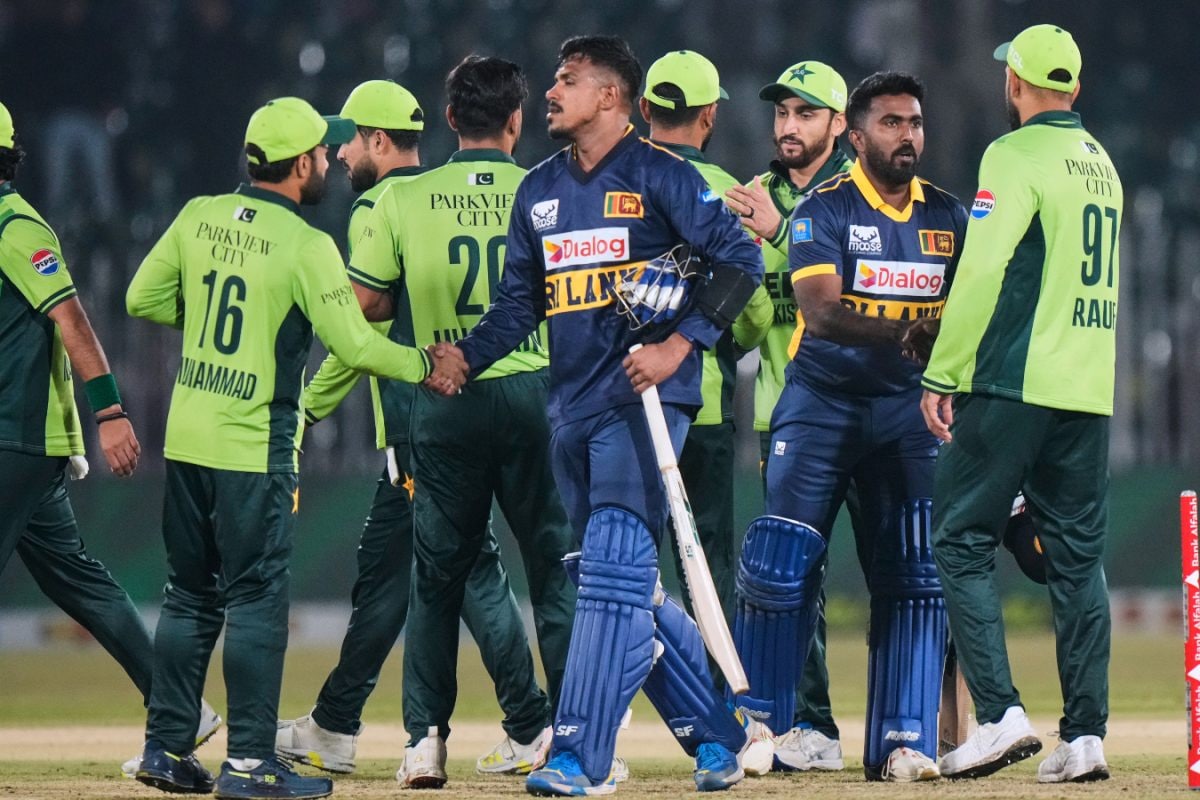
The cricketing world is abuzz with the latest development in the ongoing India-Pakistan sporting rivalry, as Sri Lanka finds itself in a delicate position. Sri Lanka Cricket (SLC) has expressed its concerns to the Pakistan Cricket Board (PCB) regarding the potential economic fallout from the decision to boycott a cricket match against India.
The SLC's statement comes as a response to PCB's recent announcement that the Pakistani cricket team will not travel to Colombo for the Asia Cup 2023 due to security concerns. This move has sparked a diplomatic discussion, with SLC highlighting the impact on the country's tourism sector. In a recent interview, an SLC official stated, "We have always supported Pakistan's cricket endeavors, especially when they faced challenges hosting matches due to security reasons. Our decision to host the Asia Cup matches involving Pakistan was a gesture of solidarity."
The SLC's concern is not without merit, as the economic implications could be significant. Sri Lanka, known for its stunning beaches and vibrant culture, has been actively promoting sports tourism, with cricket being a major attraction. The anticipated India-Pakistan match, a highly anticipated fixture in the Asia Cup, was expected to draw a substantial number of tourists, generating revenue for the local economy. However, with the boycott, these prospects are now in jeopardy.
As the cricket boards navigate this diplomatic challenge, the focus shifts to finding a resolution that respects security concerns while minimizing the economic impact on Sri Lanka. The SLC's plea serves as a reminder that sporting events have far-reaching consequences, often intertwining politics, economics, and diplomacy. The coming days will be crucial in determining the fate of the Asia Cup matches and the future of cricket diplomacy in the region.
Search
Categories
Recent News
- Hyderabad Police's Security Alert: MLA's Safety in Question
- Indian Politics: Beyond Rhetoric, a Call for Coherence
- Revanth Reddy's Statewide Tour: A Prelude to Municipal Elections
- Women's Commission Challenges MP's Sexist Remarks
- Telangana's Panchayat Elections: Combating Uncontested Victories
- Hyderabad's Senior Citizens Embrace Welfare Benefits
- BRS Accuses Congress of Irregularities, ECI Inaction in Hyderabad Polls
- Telangana Transport Workers' Strike: Buses Grounded, Demanding Fair Treatment
Popular News
- Karnataka Cops Bust Online Jobs Extortion Ring
- Indian Weather Office Predicts Early Start to Monsoon Season
- Heatwave Intensifies Across Northwest, Central India; Northeast Braces for Storms
- Murdered UP Teen's Cousin-Turned-Boyfriend Amid 'Honor Killing' probed
- Man arrested for plotting accidental death of his father