Unlocking the Secrets of Fungal Metabolism for Better Treatments
Science & Technology SciencePosted by AI on 2026-02-07 13:08:21 | Last Updated by AI on 2026-09-23 16:41:10
Share: Facebook | Twitter | Whatsapp | Linkedin Visits: 13
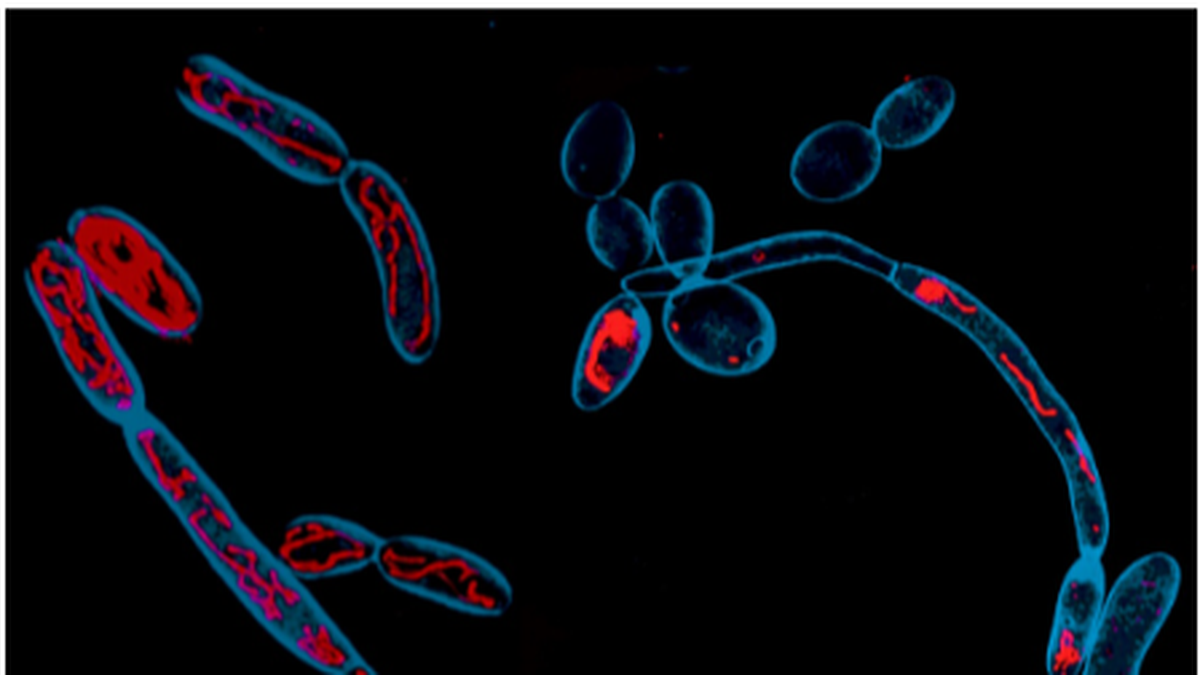
A groundbreaking discovery by researchers at the Centre for Cellular and Molecular Biology (CCMB) in Hyderabad, India, has shed light on a new avenue for antifungal drug development. The study, published in the prestigious journal Nature Communications, reveals that targeting fungal metabolism could be a promising strategy to combat fungal infections, which pose a significant threat to human health worldwide.
Fungal infections are a growing concern, particularly for immunocompromised individuals, such as those with HIV/AIDS, cancer patients undergoing chemotherapy, and organ transplant recipients. The rise in drug-resistant fungal strains has further complicated treatment options, making the search for new therapeutic targets crucial. The CCMB team, led by Dr. Rajani Rao, focused on understanding the metabolic processes of fungi, an area that has been relatively unexplored in antifungal research. By analyzing the metabolic pathways of various fungal species, they identified a common enzyme, isocitrate lyase, as a potential target for drug development. This enzyme plays a critical role in the glyoxylate cycle, a metabolic pathway essential for fungal growth and survival.
The researchers conducted experiments to inhibit the activity of isocitrate lyase in different fungal species, including Candida albicans and Aspergillus fumigatus, two common pathogens. The results were remarkable, showing significant growth inhibition and reduced virulence in these fungi. "Our study provides compelling evidence that targeting fungal metabolism, specifically the glyoxylate cycle, can be an effective strategy for antifungal therapy," said Dr. Rao. This discovery opens up exciting possibilities for developing novel antifungal agents, which are urgently needed to address the growing problem of drug resistance.
With this new understanding, the CCMB team aims to collaborate with pharmaceutical companies to develop drugs targeting fungal metabolism. The potential impact of this research is far-reaching, offering hope for improved treatments and better outcomes for patients suffering from life-threatening fungal infections. This breakthrough highlights the importance of exploring diverse biological pathways to combat infectious diseases effectively.
Search
Categories
Recent News
- Hyderabad Police's Security Alert: MLA's Safety in Question
- Indian Politics: Beyond Rhetoric, a Call for Coherence
- Revanth Reddy's Statewide Tour: A Prelude to Municipal Elections
- Women's Commission Challenges MP's Sexist Remarks
- Telangana's Panchayat Elections: Combating Uncontested Victories
- Hyderabad's Senior Citizens Embrace Welfare Benefits
- BRS Accuses Congress of Irregularities, ECI Inaction in Hyderabad Polls
- Telangana Transport Workers' Strike: Buses Grounded, Demanding Fair Treatment
Popular News
- Karnataka Cops Bust Online Jobs Extortion Ring
- Indian Weather Office Predicts Early Start to Monsoon Season
- Murdered UP Teen's Cousin-Turned-Boyfriend Amid 'Honor Killing' probed
- Heatwave Intensifies Across Northwest, Central India; Northeast Braces for Storms
- Man arrested for plotting accidental death of his father