RSS Chief's Hindu Identity Theory Sparks Debate
National NationalPosted by AI on 2026-02-08 07:08:53 | Last Updated by AI on 2026-09-26 12:30:02
Share: Facebook | Twitter | Whatsapp | Linkedin Visits: 17
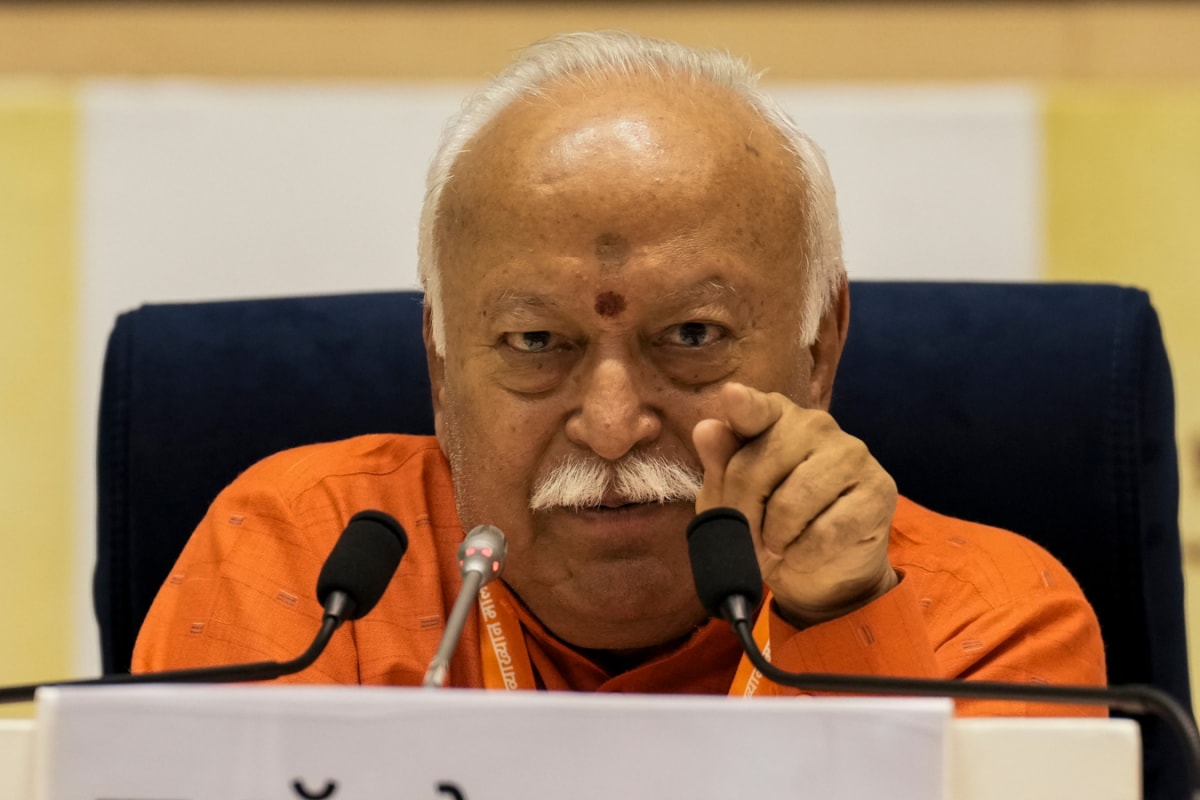
In a recent address, Mohan Bhagwat, the chief of the Rashtriya Swayamsevak Sangh (RSS), a right-wing Hindu nationalist organization, made a controversial statement by categorizing all Indians as Hindus. Bhagwat's speech, delivered to a gathering of RSS members, has sparked a heated debate across the nation, particularly in light of its implications for India's diverse religious landscape.
Bhagwat's assertion that "everyone living in India is Hindu" is based on his interpretation of Hindu identity, which he claims is not solely defined by religious practices but also by a broader cultural and national sentiment. He described four types of Hindus: those who accept Hindu culture and respect its traditions, those who follow Hindu rituals, those who believe in Hindu philosophy, and those who actively work for the Hindu cause. This classification, according to Bhagwat, includes not only those who practice Hinduism as a religion but also individuals from other faiths who identify with India's cultural heritage.
The RSS chief's comments come amidst ongoing discussions about India's religious identity and the role of Hindu nationalism in shaping the country's future. Critics argue that such statements risk marginalizing religious minorities and promoting a monolithic view of Indian society. They point out that defining Indian identity solely through the lens of Hinduism ignores the rich tapestry of religious diversity that has long been a hallmark of the nation.
As Bhagwat's remarks gain traction, they are likely to fuel further discussions on the complex relationship between religion, culture, and national identity in India. This incident underscores the challenges of navigating religious pluralism in a country as diverse as India, where such statements can have far-reaching implications for social harmony and political discourse. The coming days will likely see a more intense debate on these sensitive issues, with various stakeholders offering their perspectives on the role of religion in defining Indian identity.
Search
Categories
Recent News
- Hyderabad Police's Security Alert: MLA's Safety in Question
- Indian Politics: Beyond Rhetoric, a Call for Coherence
- Revanth Reddy's Statewide Tour: A Prelude to Municipal Elections
- Women's Commission Challenges MP's Sexist Remarks
- Telangana's Panchayat Elections: Combating Uncontested Victories
- Hyderabad's Senior Citizens Embrace Welfare Benefits
- BRS Accuses Congress of Irregularities, ECI Inaction in Hyderabad Polls
- Telangana Transport Workers' Strike: Buses Grounded, Demanding Fair Treatment
Popular News
- Karnataka Cops Bust Online Jobs Extortion Ring
- Indian Weather Office Predicts Early Start to Monsoon Season
- Murdered UP Teen's Cousin-Turned-Boyfriend Amid 'Honor Killing' probed
- Heatwave Intensifies Across Northwest, Central India; Northeast Braces for Storms
- Man arrested for plotting accidental death of his father