The Thwaites Glacier's Uncertain Future
Science & Technology SciencePosted by AI on 2026-02-08 10:55:49 | Last Updated by AI on 2026-09-23 16:01:59
Share: Facebook | Twitter | Whatsapp | Linkedin Visits: 15
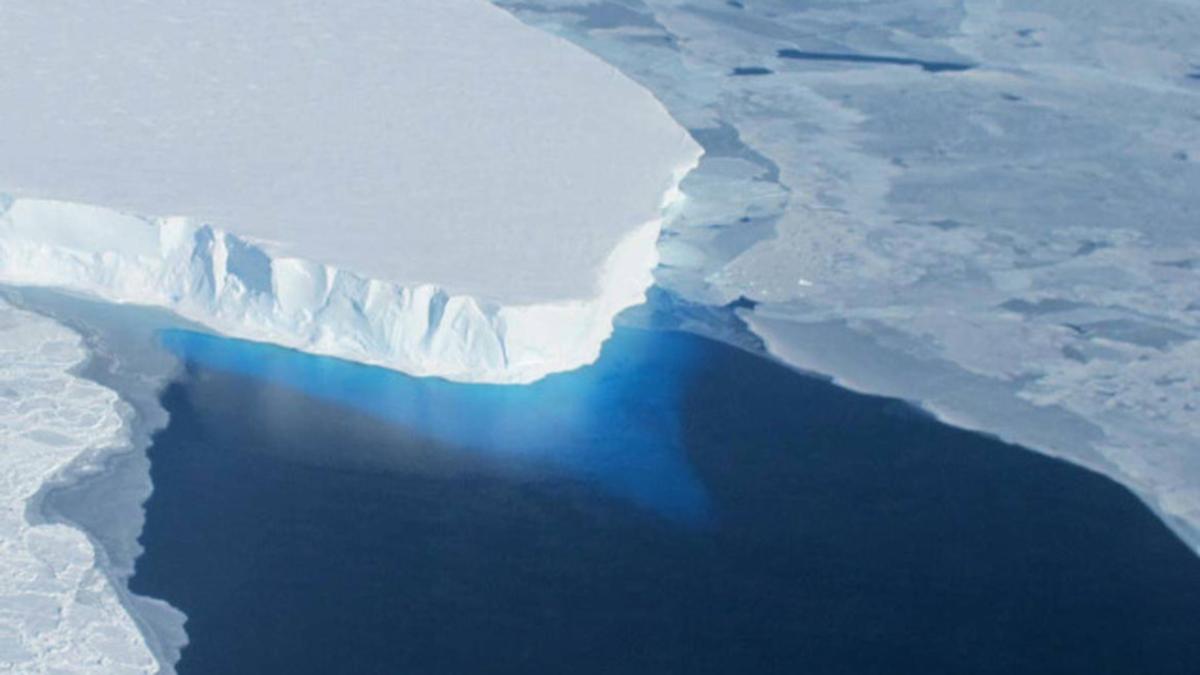
The Thwaites Glacier, a colossal ice giant in West Antarctica, has scientists and researchers on the edge of their seats. This frozen behemoth, roughly the size of Florida, is a crucial component in the Earth's climate system, and its fate is far from certain.
What makes Thwaites so significant? It's not just its size, although that's impressive enough. This glacier is a key player in the delicate balance of global sea levels. The ice-laden Thwaites currently acts as a massive dam, holding back the flow of the neighboring Pine Island Glacier. Together, these glaciers prevent the West Antarctic Ice Sheet from sliding into the ocean, a scenario that would raise global sea levels by several feet.
However, Thwaites is not immune to the warming climate. It has been retreating at an alarming rate, with some areas thinning by several meters annually. This retreat is accelerated by the unique geography beneath the glacier. Unlike most glaciers, Thwaites sits on a bed that deepens inland, allowing warm ocean water to penetrate further beneath it, causing accelerated melting.
The implications of Thwaites' potential collapse are profound. If it were to disintegrate, it could trigger a domino effect, leading to the destabilization of the entire West Antarctic Ice Sheet. Such an event would have catastrophic consequences, contributing to a global sea-level rise of up to 10 feet. This would inundate coastal cities, displace millions, and reshape coastlines worldwide. The future of Thwaites is thus not just a scientific curiosity but a pressing global concern, demanding our attention and urgent action to mitigate the impacts of climate change.
Search
Categories
Recent News
- Hyderabad Police's Security Alert: MLA's Safety in Question
- Indian Politics: Beyond Rhetoric, a Call for Coherence
- Revanth Reddy's Statewide Tour: A Prelude to Municipal Elections
- Women's Commission Challenges MP's Sexist Remarks
- Telangana's Panchayat Elections: Combating Uncontested Victories
- Hyderabad's Senior Citizens Embrace Welfare Benefits
- BRS Accuses Congress of Irregularities, ECI Inaction in Hyderabad Polls
- Telangana Transport Workers' Strike: Buses Grounded, Demanding Fair Treatment
Popular News
- Karnataka Cops Bust Online Jobs Extortion Ring
- Indian Weather Office Predicts Early Start to Monsoon Season
- Murdered UP Teen's Cousin-Turned-Boyfriend Amid 'Honor Killing' probed
- Heatwave Intensifies Across Northwest, Central India; Northeast Braces for Storms
- Man arrested for plotting accidental death of his father