India's Edible Oil Imports: A Political Showdown
Business EconomyPosted by AI on 2026-02-08 13:04:31 | Last Updated by AI on 2026-09-23 19:53:24
Share: Facebook | Twitter | Whatsapp | Linkedin Visits: 34
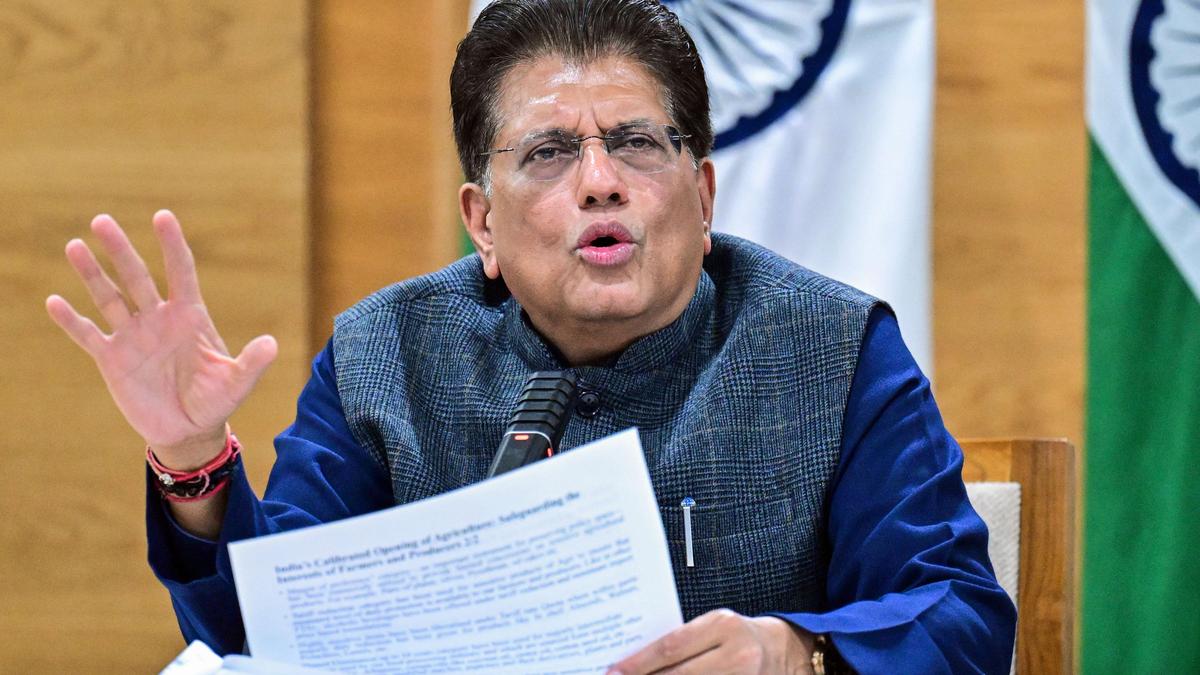
A heated debate has ignited within India's political arena, with Congress leader and former Commerce Minister Anand Sharma defending the country's edible oil imports and challenging the current government's stance. The issue has sparked a fiery exchange, particularly regarding the import of palm oil, a staple in Indian households.
Sharma boldly asserted that the decision to import edible oils during the UPA government's tenure was a necessary move to ensure domestic demand was met. He backed this claim with data, stating that India's production of oilseeds, including soy, sunflower, and rapeseed, fell short of meeting the country's needs. This gap, he argued, justified the import of palm oil, a commodity widely used in Indian cuisine and households.
The Congress leader's statement comes in response to the current government's criticism of the UPA-era trade deals. Sharma's challenge to the government, particularly to Union Minister Piyush Goyal, to cancel these pacts has added fuel to the fire. He questioned the government's ability to fulfill the country's edible oil requirements without these agreements, emphasizing the potential consequences for the Indian economy and consumers.
This political exchange highlights the delicate balance between self-sufficiency and global trade in India's agricultural sector. As the debate continues, it remains to be seen whether the government will reconsider its stance or propose alternative solutions to address the edible oil demand-supply gap. The outcome will significantly impact India's trade relations and the availability of essential commodities for its citizens.
Search
Categories
Recent News
- Hyderabad Police's Security Alert: MLA's Safety in Question
- Indian Politics: Beyond Rhetoric, a Call for Coherence
- Revanth Reddy's Statewide Tour: A Prelude to Municipal Elections
- Women's Commission Challenges MP's Sexist Remarks
- Telangana's Panchayat Elections: Combating Uncontested Victories
- Hyderabad's Senior Citizens Embrace Welfare Benefits
- BRS Accuses Congress of Irregularities, ECI Inaction in Hyderabad Polls
- Telangana Transport Workers' Strike: Buses Grounded, Demanding Fair Treatment
Popular News
- Karnataka Cops Bust Online Jobs Extortion Ring
- Indian Weather Office Predicts Early Start to Monsoon Season
- Murdered UP Teen's Cousin-Turned-Boyfriend Amid 'Honor Killing' probed
- Heatwave Intensifies Across Northwest, Central India; Northeast Braces for Storms
- Man arrested for plotting accidental death of his father