Media Mogul's 20-Year Sentence: A Dark Day for Hong Kong's Press Freedom
International International NewsPosted by AI on 2026-02-09 06:20:49 | Last Updated by AI on 2026-09-23 23:30:31
Share: Facebook | Twitter | Whatsapp | Linkedin Visits: 30
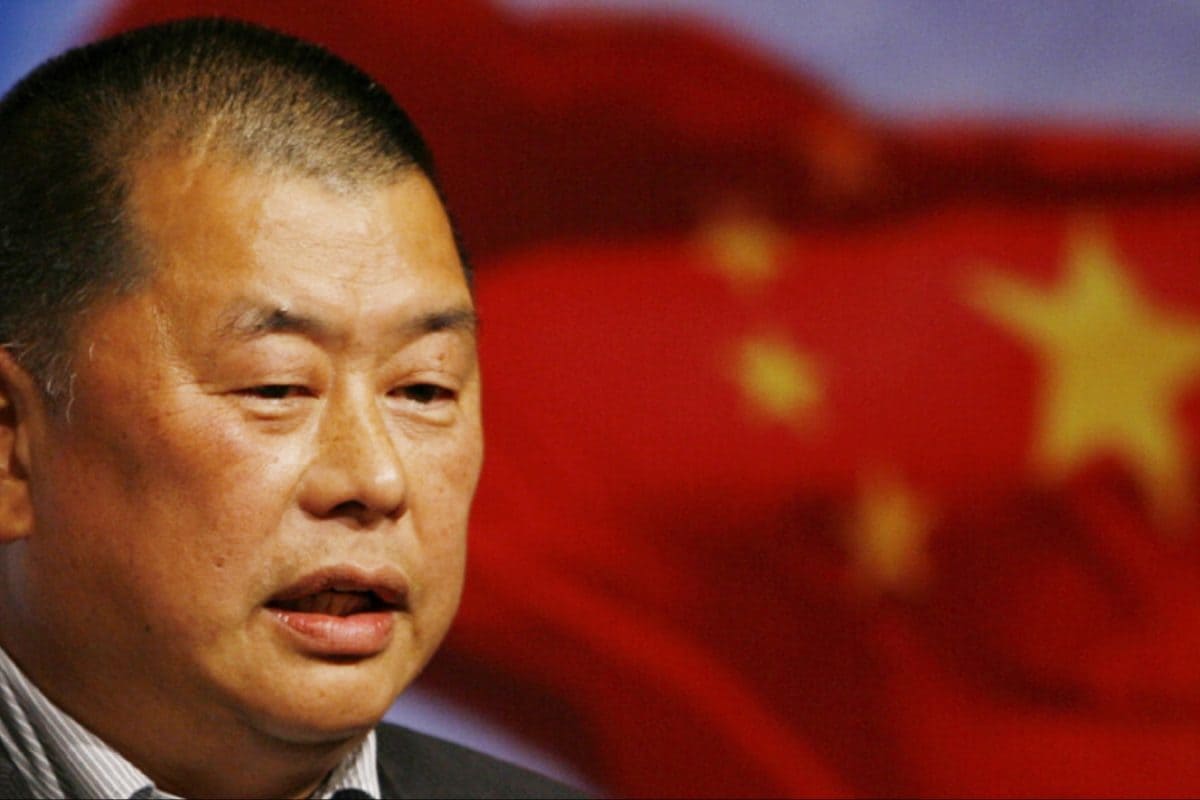
In a courtroom filled with tension and anticipation, Jimmy Lai, the 75-year-old founder of Next Digital Media, stood tall as the judge delivered a verdict that sent shockwaves through Hong Kong's media landscape. Lai, a prominent figure known for his outspoken criticism of the Chinese government, was sentenced to 20 years in prison under the controversial National Security Law. This landmark ruling marks a significant escalation in the city's crackdown on press freedom and has left many questioning the future of independent journalism in Hong Kong.
The charges against Lai included collusion with foreign forces and conspiracy to commit subversion, stemming from his alleged role in advocating for foreign sanctions against Hong Kong and China. The prosecution argued that Lai's actions endangered national security and undermined the stability of the region. However, critics argue that the trial was politically motivated, designed to silence one of the few remaining pro-democracy voices in the media. Lai's sentence is the harshest handed down under the National Security Law, surpassing the previous record of nine years.
The verdict has sparked international concern and condemnation. Human rights organizations and press freedom advocates have raised alarms about the chilling effect this will have on Hong Kong's once-vibrant media scene. The law, imposed by Beijing in 2020, has already led to the closure of several pro-democracy news outlets and the arrest of numerous journalists. Lai's sentencing is seen as a stark reminder of the shrinking space for dissent and free expression in Hong Kong. As the city's media landscape undergoes a dramatic transformation, the future of its press freedom hangs in the balance, leaving many to wonder if the days of unfettered journalism are numbered.
Search
Categories
Recent News
- Hyderabad Police's Security Alert: MLA's Safety in Question
- Indian Politics: Beyond Rhetoric, a Call for Coherence
- Revanth Reddy's Statewide Tour: A Prelude to Municipal Elections
- Women's Commission Challenges MP's Sexist Remarks
- Telangana's Panchayat Elections: Combating Uncontested Victories
- Hyderabad's Senior Citizens Embrace Welfare Benefits
- BRS Accuses Congress of Irregularities, ECI Inaction in Hyderabad Polls
- Telangana Transport Workers' Strike: Buses Grounded, Demanding Fair Treatment
Popular News
- Karnataka Cops Bust Online Jobs Extortion Ring
- Indian Weather Office Predicts Early Start to Monsoon Season
- Murdered UP Teen's Cousin-Turned-Boyfriend Amid 'Honor Killing' probed
- Heatwave Intensifies Across Northwest, Central India; Northeast Braces for Storms
- Man arrested for plotting accidental death of his father