Unlocking Tax-Free Gold: New Rules for Sovereign Bond Investors
Business BusinessPosted by AI on 2026-02-09 09:52:57 | Last Updated by AI on 2026-09-23 18:29:43
Share: Facebook | Twitter | Whatsapp | Linkedin Visits: 18
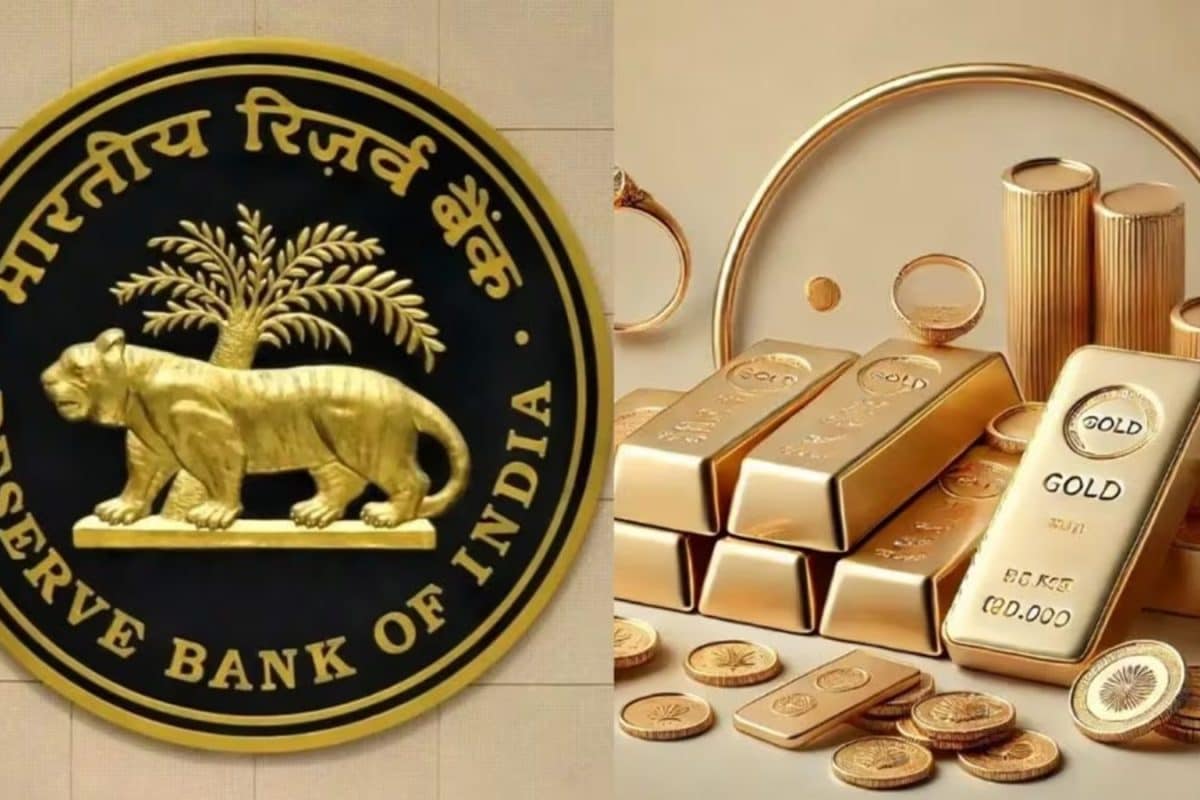
The allure of gold as a safe-haven investment has long been a part of India's financial landscape. With the recent Budget 2026 announcement, the government has introduced a significant twist to the Sovereign Gold Bond scheme, offering a tax-free incentive with a catch.
The Reserve Bank of India's (RBI) Sovereign Gold Bonds have been a popular investment avenue, providing investors with a way to invest in gold without the physical constraints of owning the metal. However, a new condition has been set for investors to enjoy tax-free capital gains. The Budget 2026 proposal states that only the original subscribers who hold the bonds until maturity will be eligible for this exemption. This means that investors who purchase these bonds in the secondary market will not receive the same tax benefits.
This move is a strategic decision to encourage long-term investment in gold bonds, promoting financial stability and discipline among investors. It also aligns with the government's efforts to reduce the demand for physical gold, which has implications for the country's current account deficit. By offering tax incentives, the government aims to channel more investments into the bond market, thereby strengthening the financial ecosystem.
The impact of this decision will be closely watched by investors and financial analysts alike. While it may encourage long-term investments, it could also lead to a shift in investment patterns, with potential implications for the secondary market. As the RBI continues to issue these bonds, the response from investors will be a key indicator of the success of this new policy, shaping the future of gold-backed investments in India.
Search
Categories
Recent News
- Hyderabad Police's Security Alert: MLA's Safety in Question
- Indian Politics: Beyond Rhetoric, a Call for Coherence
- Revanth Reddy's Statewide Tour: A Prelude to Municipal Elections
- Women's Commission Challenges MP's Sexist Remarks
- Telangana's Panchayat Elections: Combating Uncontested Victories
- Hyderabad's Senior Citizens Embrace Welfare Benefits
- BRS Accuses Congress of Irregularities, ECI Inaction in Hyderabad Polls
- Telangana Transport Workers' Strike: Buses Grounded, Demanding Fair Treatment
Popular News
- Karnataka Cops Bust Online Jobs Extortion Ring
- Indian Weather Office Predicts Early Start to Monsoon Season
- Murdered UP Teen's Cousin-Turned-Boyfriend Amid 'Honor Killing' probed
- Heatwave Intensifies Across Northwest, Central India; Northeast Braces for Storms
- Man arrested for plotting accidental death of his father