Madras Namaz Dispute: Supreme Court's Ruling on Religious Freedom
National NationalPosted by AI on 2026-02-09 10:02:18 | Last Updated by AI on 2026-09-26 07:31:22
Share: Facebook | Twitter | Whatsapp | Linkedin Visits: 20
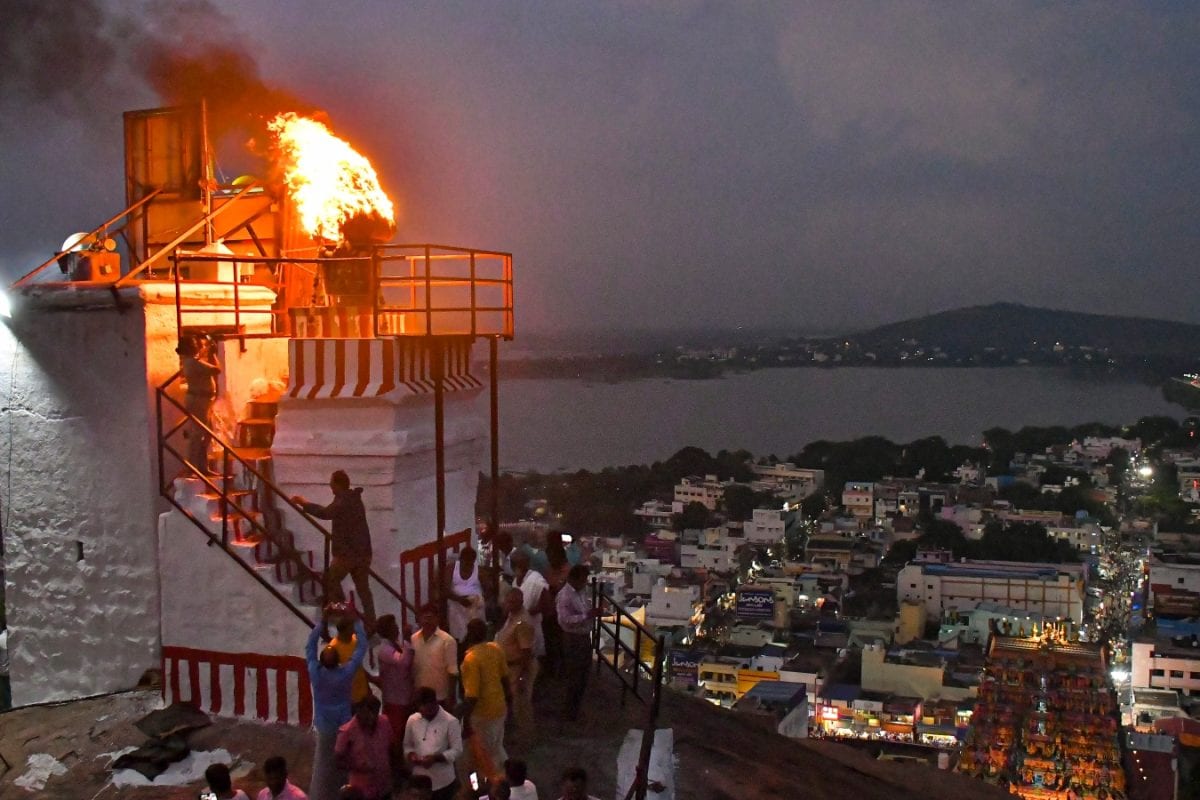
In a landmark judgment, the Supreme Court of India has upheld the Madras High Court's decision to restrict religious practices at the Deepam Row Dargah, sparking debate over religious freedom and public order. The ruling has significant implications for the delicate balance between upholding religious rights and maintaining law and enforcement.
The Supreme Court's verdict came after a lengthy legal battle surrounding the Dargah, a revered Islamic shrine in Chennai. The case began when local residents filed a petition seeking a ban on the practice of offering namaz at the Dargah, citing concerns over noise pollution and traffic congestion. The Madras High Court, in its initial ruling, imposed restrictions, allowing namaz only on specific religious days and prohibiting animal sacrifice.
The latest judgment upholds these curbs, stating that the High Court's decision was "well-reasoned and balanced." The Supreme Court emphasized the need to respect religious sentiments while ensuring that such practices do not cause public nuisance. The bench noted that the restrictions were not arbitrary but aimed at maintaining law and order and addressing genuine concerns of local residents. This decision has been welcomed by some as a victory for local communities seeking peace and order.
However, the ruling has also sparked discussions about religious freedom and the state's role in regulating religious practices. Some legal experts argue that while maintaining public order is essential, the courts should be cautious in imposing restrictions that may infringe upon religious rights. The case highlights the ongoing challenge of balancing individual liberties with collective interests, leaving the public and legal scholars alike to reflect on the delicate equilibrium between religious freedom and societal harmony. As the nation watches, the Deepam Row Dargah case serves as a reminder of the complexities inherent in safeguarding both religious expression and public order.
Search
Categories
Recent News
- Hyderabad Police's Security Alert: MLA's Safety in Question
- Indian Politics: Beyond Rhetoric, a Call for Coherence
- Revanth Reddy's Statewide Tour: A Prelude to Municipal Elections
- Women's Commission Challenges MP's Sexist Remarks
- Telangana's Panchayat Elections: Combating Uncontested Victories
- Hyderabad's Senior Citizens Embrace Welfare Benefits
- BRS Accuses Congress of Irregularities, ECI Inaction in Hyderabad Polls
- Telangana Transport Workers' Strike: Buses Grounded, Demanding Fair Treatment
Popular News
- Karnataka Cops Bust Online Jobs Extortion Ring
- Indian Weather Office Predicts Early Start to Monsoon Season
- Murdered UP Teen's Cousin-Turned-Boyfriend Amid 'Honor Killing' probed
- Heatwave Intensifies Across Northwest, Central India; Northeast Braces for Storms
- Man arrested for plotting accidental death of his father