White House Dinner Sparks Political Divide: Republicans Gather, Democrats Snubbed
International International NewsPosted by AI on 2026-02-10 06:11:38 | Last Updated by AI on 2026-09-23 21:27:09
Share: Facebook | Twitter | Whatsapp | Linkedin Visits: 15
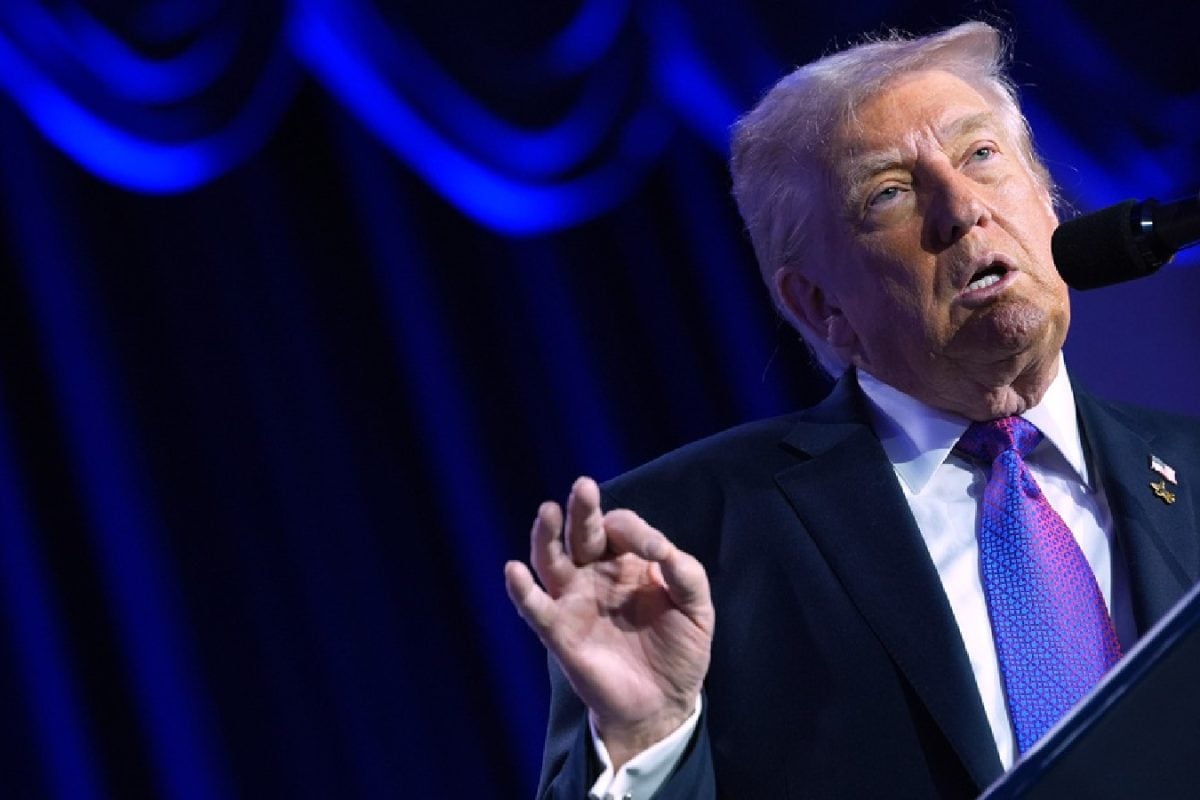
The White House, a symbol of unity and leadership, recently hosted a dinner with a notable absence of bipartisan representation. In a surprising move, President Trump extended invitations exclusively to Republican governors, leaving their Democratic counterparts, including Maryland's Wes Moore and Colorado's Jared Polis, off the guest list. This decision has raised eyebrows and sparked discussions about the implications for American politics.
The dinner, a traditional gathering of state leaders, is typically a bipartisan affair, fostering collaboration and dialogue between governors across the political spectrum. However, this time, the event took on a different tone. The absence of Democratic governors sent a clear message, highlighting the growing political divide within the country. This exclusionary approach raises concerns about the potential for further polarization and the impact on governance and policy-making.
The snub has not gone unnoticed by the Democratic Party. Governor Moore expressed his disappointment, stating, "It's unfortunate that the White House chose to exclude Democratic governors. We bring valuable perspectives and ideas to the table, and our constituents deserve to be represented in these discussions." This sentiment was echoed by other Democratic leaders, who emphasized the importance of inclusivity and cooperation in addressing the nation's challenges.
As the political landscape continues to evolve, this incident serves as a reminder of the delicate balance between party politics and national unity. The White House dinner, usually a platform for bipartisan collaboration, has now become a symbol of division. The question remains: Can the nation's leaders find common ground and work together for the betterment of all Americans, or will partisan politics continue to drive a wedge between them? The answer may shape the future of American governance.
Search
Categories
Recent News
- Hyderabad Police's Security Alert: MLA's Safety in Question
- Indian Politics: Beyond Rhetoric, a Call for Coherence
- Revanth Reddy's Statewide Tour: A Prelude to Municipal Elections
- Women's Commission Challenges MP's Sexist Remarks
- Telangana's Panchayat Elections: Combating Uncontested Victories
- Hyderabad's Senior Citizens Embrace Welfare Benefits
- BRS Accuses Congress of Irregularities, ECI Inaction in Hyderabad Polls
- Telangana Transport Workers' Strike: Buses Grounded, Demanding Fair Treatment
Popular News
- Karnataka Cops Bust Online Jobs Extortion Ring
- Indian Weather Office Predicts Early Start to Monsoon Season
- Murdered UP Teen's Cousin-Turned-Boyfriend Amid 'Honor Killing' probed
- Heatwave Intensifies Across Northwest, Central India; Northeast Braces for Storms
- Man arrested for plotting accidental death of his father