Tax Reform Debate: MP Pushes for Equity Investors' Relief
Business BusinessPosted by AI on 2026-02-10 08:51:16 | Last Updated by AI on 2026-09-23 16:02:00
Share: Facebook | Twitter | Whatsapp | Linkedin Visits: 33
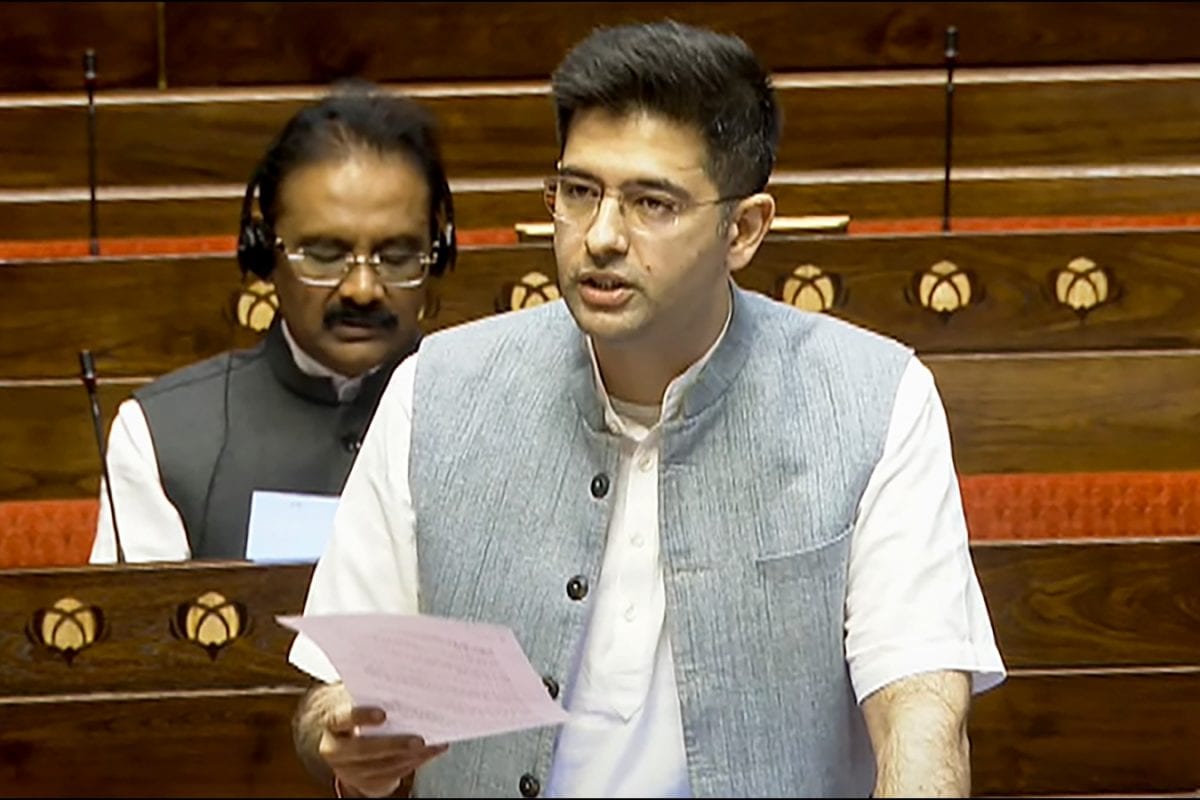
In a recent development in India's tax policy discussions, Rajya Sabha MP Raghav Chadha has proposed a significant change to the country's capital gains tax structure. Chadha's suggestion to abolish the Long-Term Capital Gains (LTCG) tax on equities for individual investors comes amid the government's decision to increase the Securities Transaction Tax (STT).
Chadha, a prominent voice in the country's financial circles, argues that the removal of LTCG tax on equities would provide much-needed relief to individual investors, especially those from the middle class. He believes that this move could encourage more people to invest in the stock market, fostering a culture of equity investment among Indian citizens. The MP's proposal aims to strike a balance between government revenue generation and promoting individual participation in the country's economic growth.
The LTCG tax, introduced in 2018, levies a 10% tax on gains exceeding Rs 1 lakh from the sale of equities held for over a year. Critics argue that this tax discourages long-term investment in the stock market, particularly affecting small and medium investors. Chadha's proposal, if implemented, could potentially boost investor sentiment and contribute to the overall growth of the Indian equity market.
As the government navigates the delicate balance between revenue collection and encouraging investment, Chadha's suggestion adds a new dimension to the ongoing tax reform discussions. The MP's proposal is expected to spark further debate among policymakers and investors alike, shaping the future of India's tax policies and investment landscape. With the country's economic growth at the forefront of political agendas, this development is likely to garner significant attention and influence future financial strategies.
Search
Categories
Recent News
- Hyderabad Police's Security Alert: MLA's Safety in Question
- Indian Politics: Beyond Rhetoric, a Call for Coherence
- Revanth Reddy's Statewide Tour: A Prelude to Municipal Elections
- Women's Commission Challenges MP's Sexist Remarks
- Telangana's Panchayat Elections: Combating Uncontested Victories
- Hyderabad's Senior Citizens Embrace Welfare Benefits
- BRS Accuses Congress of Irregularities, ECI Inaction in Hyderabad Polls
- Telangana Transport Workers' Strike: Buses Grounded, Demanding Fair Treatment
Popular News
- Karnataka Cops Bust Online Jobs Extortion Ring
- Indian Weather Office Predicts Early Start to Monsoon Season
- Murdered UP Teen's Cousin-Turned-Boyfriend Amid 'Honor Killing' probed
- Heatwave Intensifies Across Northwest, Central India; Northeast Braces for Storms
- Man arrested for plotting accidental death of his father