Supreme Court's Call for Action on Missing Children
National NationalPosted by AI on 2026-02-10 14:04:08 | Last Updated by AI on 2026-09-25 22:07:20
Share: Facebook | Twitter | Whatsapp | Linkedin Visits: 31
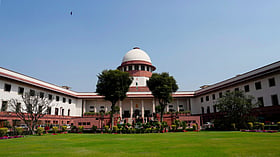
The Supreme Court of India has taken a significant step towards addressing the alarming issue of missing children, a problem that has plagued the nation for years. In a recent hearing, the top court directed the central government to investigate the possibility of a nationwide network behind these disappearances, marking a crucial turning point in the battle against child trafficking and exploitation.
The court's order came as a response to the growing number of missing children cases across the country. According to the National Crime Records Bureau (NCRB) data, over 100,000 children were reported missing in 2022 alone, with many feared to have fallen victim to trafficking syndicates. This statistic is a stark reminder of the urgent need for comprehensive action. The Supreme Court's directive aims to shed light on the systemic issues and potential criminal networks operating across state borders.
The court has instructed the Centre to analyze patterns and collate data from all states regarding missing children cases. This comprehensive approach will help identify any trends, commonalities, or organized criminal activities. By understanding the modus operandi of these networks, authorities can develop more effective strategies to combat child trafficking. The court's stern warning of strict orders for non-compliance underscores the gravity of the situation and the need for immediate action.
This move by the Supreme Court is a significant development in India's fight against human trafficking and child exploitation. It sends a strong message to both the central and state governments, urging them to prioritize this issue and work collaboratively to protect the nation's most vulnerable citizens. As the investigation unfolds, the country awaits the exposure of the sinister forces behind these disappearances and the implementation of robust measures to ensure the safety and well-being of its children.
Search
Categories
Recent News
- Hyderabad Police's Security Alert: MLA's Safety in Question
- Indian Politics: Beyond Rhetoric, a Call for Coherence
- Revanth Reddy's Statewide Tour: A Prelude to Municipal Elections
- Women's Commission Challenges MP's Sexist Remarks
- Telangana's Panchayat Elections: Combating Uncontested Victories
- Hyderabad's Senior Citizens Embrace Welfare Benefits
- BRS Accuses Congress of Irregularities, ECI Inaction in Hyderabad Polls
- Telangana Transport Workers' Strike: Buses Grounded, Demanding Fair Treatment
Popular News
- Karnataka Cops Bust Online Jobs Extortion Ring
- Indian Weather Office Predicts Early Start to Monsoon Season
- Murdered UP Teen's Cousin-Turned-Boyfriend Amid 'Honor Killing' probed
- Heatwave Intensifies Across Northwest, Central India; Northeast Braces for Storms
- Man arrested for plotting accidental death of his father