Olympic Protest: Ukrainian Athlete's Anti-War Gesture Partly Approved
Sports Other SportsPosted by AI on 2026-02-10 15:39:08 | Last Updated by AI on 2026-08-16 06:44:49
Share: Facebook | Twitter | Whatsapp | Linkedin Visits: 17
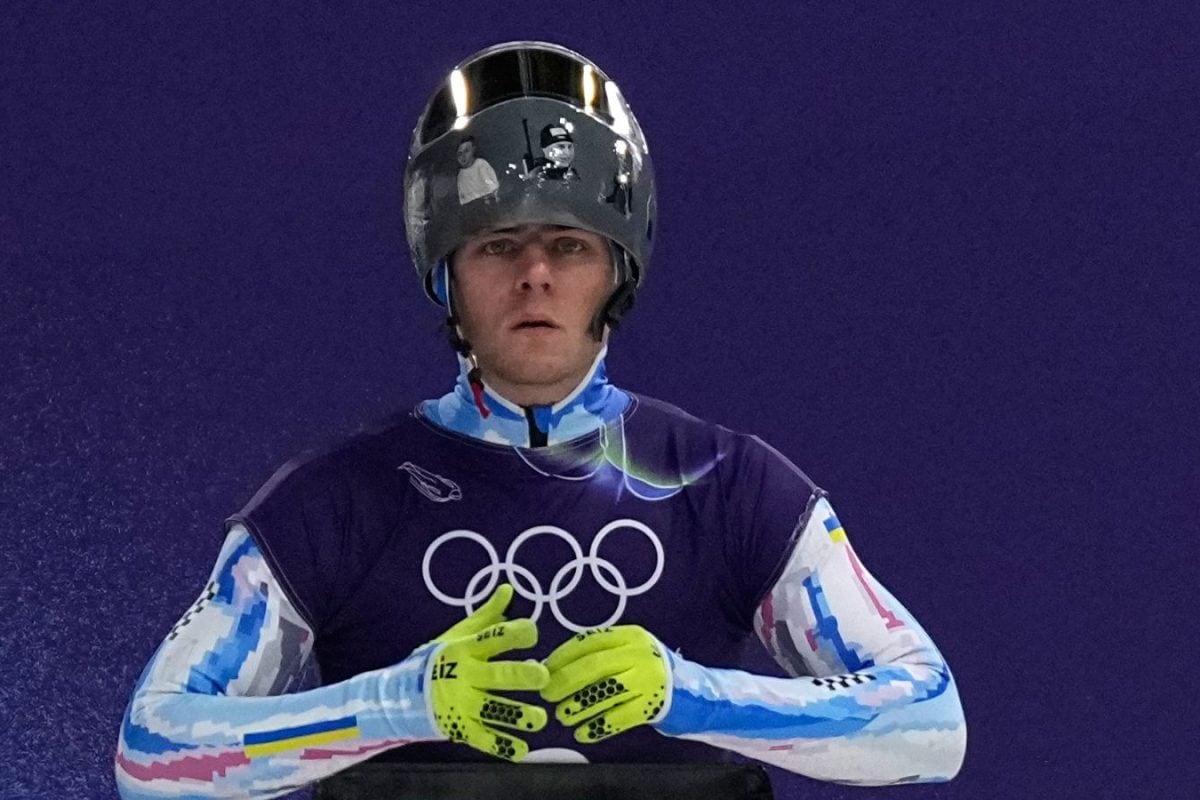
In a move that highlights the delicate balance between politics and sport, the International Olympic Committee (IOC) has approved a symbolic gesture by Ukrainian skeleton athlete Vladyslav Heraskevych, but with a catch.
Heraskevych, set to compete in the upcoming Winter Olympics, had planned to wear a helmet featuring images of Ukrainian athletes killed in the ongoing war with Russia. This powerful statement, however, has been prohibited by the IOC, citing Rule 50 of the Olympic Charter, which restricts political demonstrations at the Games. The decision has sparked debate, with many questioning the fine line between political expression and personal freedom.
Despite this setback, Heraskevych has been granted permission to wear a black armband as a sign of mourning and solidarity. This compromise, while not the athlete's original intention, still allows him to make a statement on the global stage. The armband, a simple yet powerful symbol, will be a constant reminder of the ongoing conflict and its impact on Ukrainian athletes and citizens.
This approval comes amidst growing international scrutiny of the IOC's handling of political gestures at the Olympics. The organization has faced criticism for its strict enforcement of Rule 50, with some arguing that it stifles athletes' freedom of expression. As the world's eyes turn to the Winter Games, Heraskevych's armband will be a subtle yet poignant reminder of the human cost of war, even as his helmet design remains unseen, raising questions about the boundaries of political expression in sports.
Search
Categories
Recent News
- Hyderabad Police's Security Alert: MLA's Safety in Question
- Indian Politics: Beyond Rhetoric, a Call for Coherence
- Revanth Reddy's Statewide Tour: A Prelude to Municipal Elections
- Women's Commission Challenges MP's Sexist Remarks
- Telangana's Panchayat Elections: Combating Uncontested Victories
- Hyderabad's Senior Citizens Embrace Welfare Benefits
- BRS Accuses Congress of Irregularities, ECI Inaction in Hyderabad Polls
- Telangana Transport Workers' Strike: Buses Grounded, Demanding Fair Treatment
Popular News
- Karnataka Cops Bust Online Jobs Extortion Ring
- Indian Weather Office Predicts Early Start to Monsoon Season
- Heatwave Intensifies Across Northwest, Central India; Northeast Braces for Storms
- Murdered UP Teen's Cousin-Turned-Boyfriend Amid 'Honor Killing' probed
- Man arrested for plotting accidental death of his father