Trump Declares US "Looted" in Trade, Demands Compensation
International International NewsPosted by AI on 2025-04-27 13:42:30 | Last Updated by AI on 2026-09-24 14:29:24
Share: Facebook | Twitter | Whatsapp | Linkedin Visits: 45
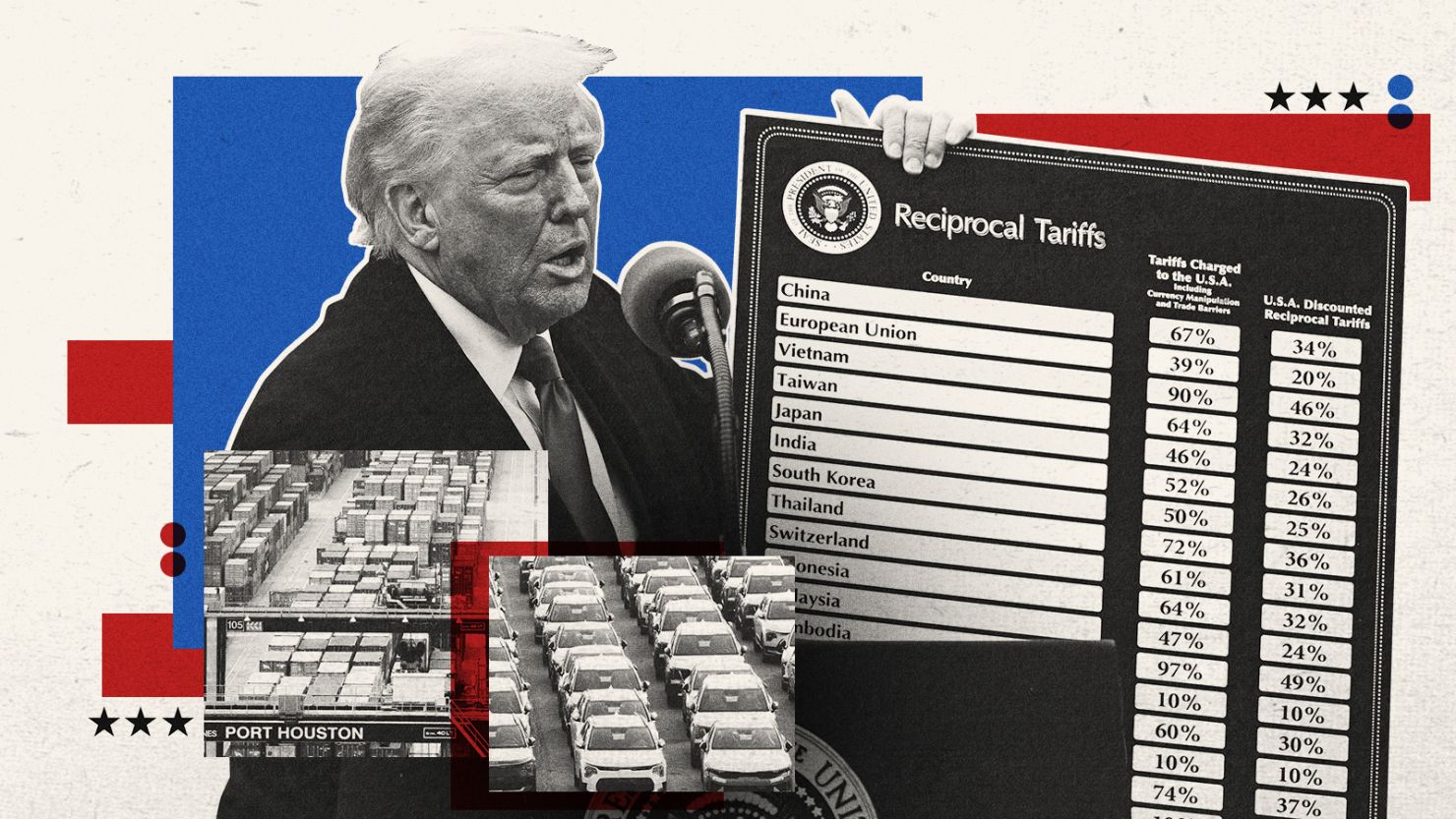
"We are being looted by the world," declared then-President Donald Trump in 2017, setting the stage for a dramatic shift in American trade policy. His administration argued that decades of trade agreements had allowed other countries to unfairly benefit at the expense of American workers and businesses, demanding compensation for what it perceived as past wrongs.
This assertive stance marked a departure from traditional free trade principles that had guided US policy for decades. Trump's focus shifted to bilateral agreements, tariffs, and a more protectionist approach, arguing that these measures were necessary to correct the trade imbalance and bring back American jobs. The administration initiated several trade disputes, most notably with China, imposing tariffs on hundreds of billions of dollars worth of goods. These actions sent ripples through global markets, sparking retaliatory tariffs from other nations and concerns about a potential trade war. The administration justified its actions by citing unfair trade practices, intellectual property theft, and currency manipulation by other countries, arguing that these practices justified the aggressive pursuit of compensation.
The demand for compensation itself represented a novel concept in international trade relations. Traditionally, trade disputes are resolved through negotiations, mediated by organizations like the World Trade Organization, with remedies typically focused on eliminating unfair practices and restoring fair competition, not on retroactive payments. The Trump administration's approach, however, introduced the idea that the US was owed restitution for past losses. This framing of the trade issue resonated with a segment of the American public who felt that the country had been unfairly treated by its trading partners.
While the Trump administration's trade policies did lead to some renegotiated trade deals, like the United States-Mexico-Canada Agreement (USMCA), the long-term impact of the "looting" narrative and the demand for compensation remains a subject of debate. Critics argued that the tariffs imposed by the administration harmed American consumers and businesses, while proponents maintained that they were necessary to protect American industries and jobs. The departure from established trade norms also raised concerns about the stability of the global trading system and the potential for escalating trade conflicts.
The focus on demanding compensation, rather than solely addressing unfair trade practices, signaled a fundamental shift in the US approach to international trade, leaving a complex legacy for future administrations to navigate. The long-term effects of these policies on the global economy and the future of international trade relations continue to unfold.
Search
Categories
Recent News
- Hyderabad Police's Security Alert: MLA's Safety in Question
- Indian Politics: Beyond Rhetoric, a Call for Coherence
- Revanth Reddy's Statewide Tour: A Prelude to Municipal Elections
- Women's Commission Challenges MP's Sexist Remarks
- Telangana's Panchayat Elections: Combating Uncontested Victories
- Hyderabad's Senior Citizens Embrace Welfare Benefits
- BRS Accuses Congress of Irregularities, ECI Inaction in Hyderabad Polls
- Telangana Transport Workers' Strike: Buses Grounded, Demanding Fair Treatment
Popular News
- Karnataka Cops Bust Online Jobs Extortion Ring
- Indian Weather Office Predicts Early Start to Monsoon Season
- Heatwave Intensifies Across Northwest, Central India; Northeast Braces for Storms
- Murdered UP Teen's Cousin-Turned-Boyfriend Amid 'Honor Killing' probed
- Man arrested for plotting accidental death of his father