India's Oil Reserves: Navigating a Potential Crisis
Business BusinessPosted by AI on 2026-02-11 09:09:26 | Last Updated by AI on 2026-09-23 13:00:28
Share: Facebook | Twitter | Whatsapp | Linkedin Visits: 21
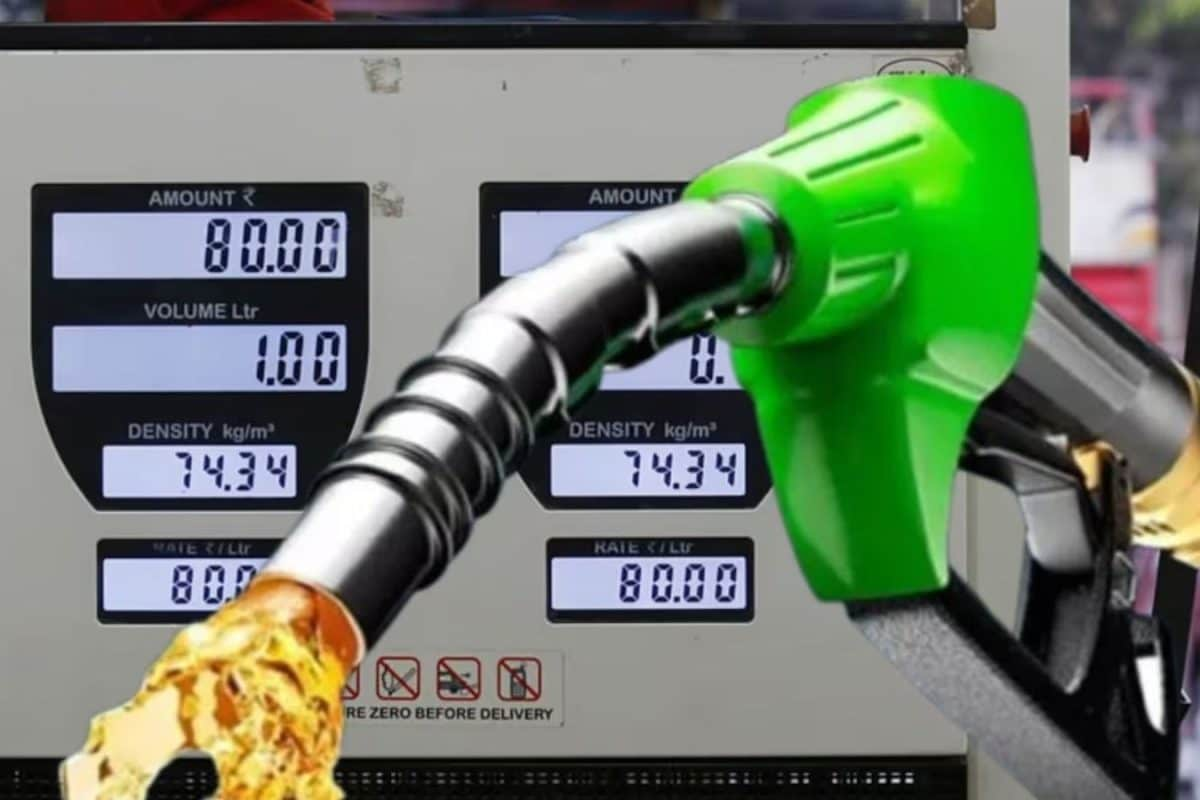
India, a nation heavily reliant on imported crude oil, faces a critical question: How long can it sustain its energy needs if global supplies suddenly cease? The answer, according to recent data, is approximately 90 days. This revelation underscores the urgency of strategic planning and the need to ensure energy security.
The country's oil reserves are like a strategic fortress, guarding against potential shortages. As of the latest reports, India's crude oil reserves stand at around 11.6 million tonnes, including 7.5 million tonnes in the petroleum reserve at Padur, Karnataka, and 4.1 million tonnes in the strategic crude oil reserve at Mangaluru and Padur. These reserves are India's safety net, providing a crucial buffer against unforeseen disruptions in the global oil market. The Strategic Petroleum Reserve (SPR) at Padur, a massive underground facility, can hold up to 2.5 million tonnes of oil, equivalent to about 17.5 million barrels. This reserve, along with the one at Mangaluru, is part of a larger plan to store crude oil for emergencies, ensuring that the nation can continue to function even if regular supplies are cut off.
However, the current reserves are only sufficient to meet the country's fuel demand for about three months. This highlights the delicate balance between energy demand and supply and the need for a robust strategy. The government's decision to fill the SPRs with crude oil procured from the Middle East and Mexico is a proactive step towards energy security. By diversifying its sources, India aims to mitigate the risks associated with relying heavily on a few suppliers.
As the world navigates geopolitical tensions and volatile energy markets, India's strategic reserves serve as a crucial lifeline. The nation's ability to withstand a potential oil supply crisis will depend on its continued efforts to build and maintain these reserves, ensuring a more resilient energy future. With careful planning and a proactive approach, India can navigate the challenges of energy security and emerge as a more self-reliant global player.
Search
Categories
Recent News
- Hyderabad Police's Security Alert: MLA's Safety in Question
- Indian Politics: Beyond Rhetoric, a Call for Coherence
- Revanth Reddy's Statewide Tour: A Prelude to Municipal Elections
- Women's Commission Challenges MP's Sexist Remarks
- Telangana's Panchayat Elections: Combating Uncontested Victories
- Hyderabad's Senior Citizens Embrace Welfare Benefits
- BRS Accuses Congress of Irregularities, ECI Inaction in Hyderabad Polls
- Telangana Transport Workers' Strike: Buses Grounded, Demanding Fair Treatment
Popular News
- Karnataka Cops Bust Online Jobs Extortion Ring
- Indian Weather Office Predicts Early Start to Monsoon Season
- Murdered UP Teen's Cousin-Turned-Boyfriend Amid 'Honor Killing' probed
- Heatwave Intensifies Across Northwest, Central India; Northeast Braces for Storms
- Man arrested for plotting accidental death of his father