Supreme Court Challenges NIA's Murshidabad Probe
National NationalPosted by AI on 2026-02-11 12:30:39 | Last Updated by AI on 2026-09-24 15:22:19
Share: Facebook | Twitter | Whatsapp | Linkedin Visits: 26
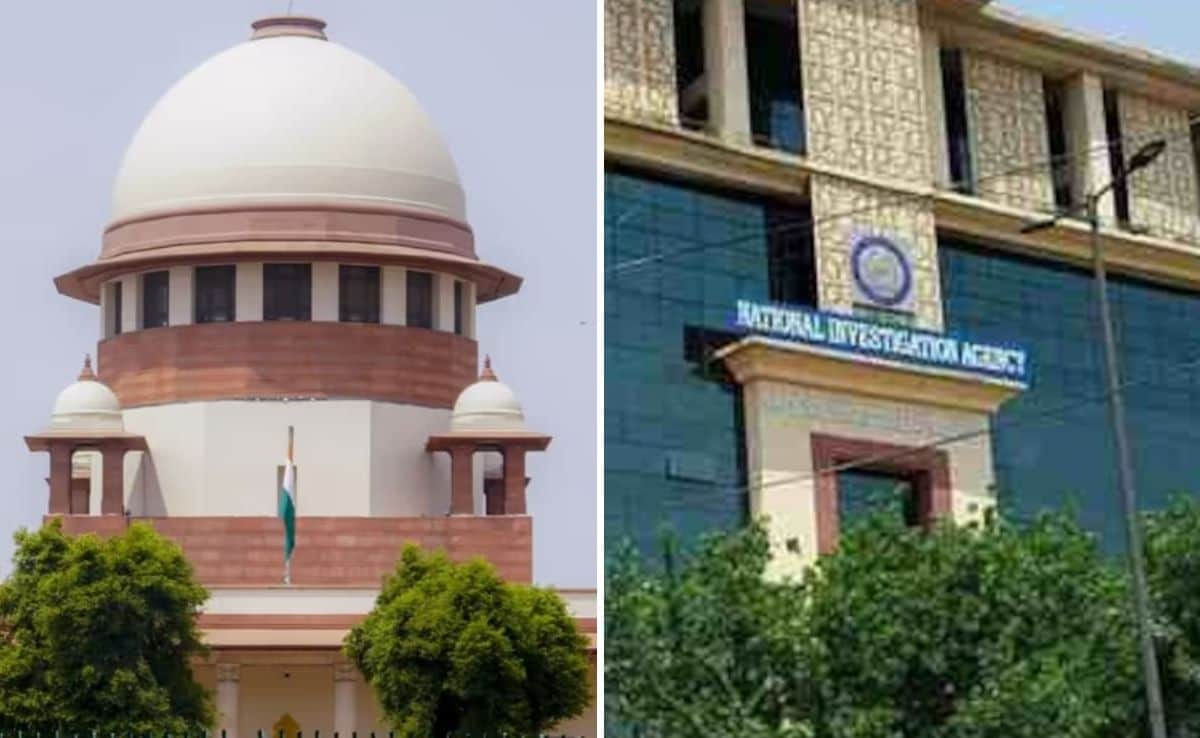
In a significant development, the Supreme Court has raised questions about the National Investigation Agency's (NIA) recent actions in West Bengal, sparking a debate over the agency's jurisdiction and the limits of its authority. The court's inquiry focused on the NIA's decision to launch a suo motu investigation into the violent incidents that occurred in Murshidabad district, leaving many wondering about the implications for the state's law and order.
The Supreme Court's bench, led by Justice Sanjay Kishan Kaul, expressed concern over the NIA's move, stating that the agency's involvement in every outburst could create a sense of insecurity among citizens. The court's observation came during a hearing on a plea challenging the NIA's jurisdiction in the Murshidabad case. The plea argued that the violence was a local law and order issue and did not qualify as a terrorist activity under the Unlawful Activities (Prevention) Act (UAPA).
The NIA, a central agency tasked with investigating and prosecuting offenses affecting the sovereignty, security, and integrity of India, has been under scrutiny for its handling of cases in opposition-ruled states. The agency's actions in West Bengal have been particularly controversial, with the state government accusing the NIA of overstepping its boundaries and interfering in local matters. The Supreme Court's intervention in this case is seen as a crucial test of the limits of the NIA's powers and the federal structure of India's governance.
As the hearing progresses, the court's decision will have far-reaching consequences for the NIA's operations and the balance of power between the central and state governments. The outcome will also impact how India addresses law and order issues, especially in politically sensitive regions, ensuring that the country's security agencies act within their mandated scope.
Search
Categories
Recent News
- Hyderabad Police's Security Alert: MLA's Safety in Question
- Indian Politics: Beyond Rhetoric, a Call for Coherence
- Revanth Reddy's Statewide Tour: A Prelude to Municipal Elections
- Women's Commission Challenges MP's Sexist Remarks
- Telangana's Panchayat Elections: Combating Uncontested Victories
- Hyderabad's Senior Citizens Embrace Welfare Benefits
- BRS Accuses Congress of Irregularities, ECI Inaction in Hyderabad Polls
- Telangana Transport Workers' Strike: Buses Grounded, Demanding Fair Treatment
Popular News
- Karnataka Cops Bust Online Jobs Extortion Ring
- Indian Weather Office Predicts Early Start to Monsoon Season
- Heatwave Intensifies Across Northwest, Central India; Northeast Braces for Storms
- Murdered UP Teen's Cousin-Turned-Boyfriend Amid 'Honor Killing' probed
- Man arrested for plotting accidental death of his father