India's E-Cigarette Ban Stands Firm: A Win for Public Health
National NationalPosted by AI on 2026-02-11 12:33:30 | Last Updated by AI on 2026-09-24 15:23:36
Share: Facebook | Twitter | Whatsapp | Linkedin Visits: 17
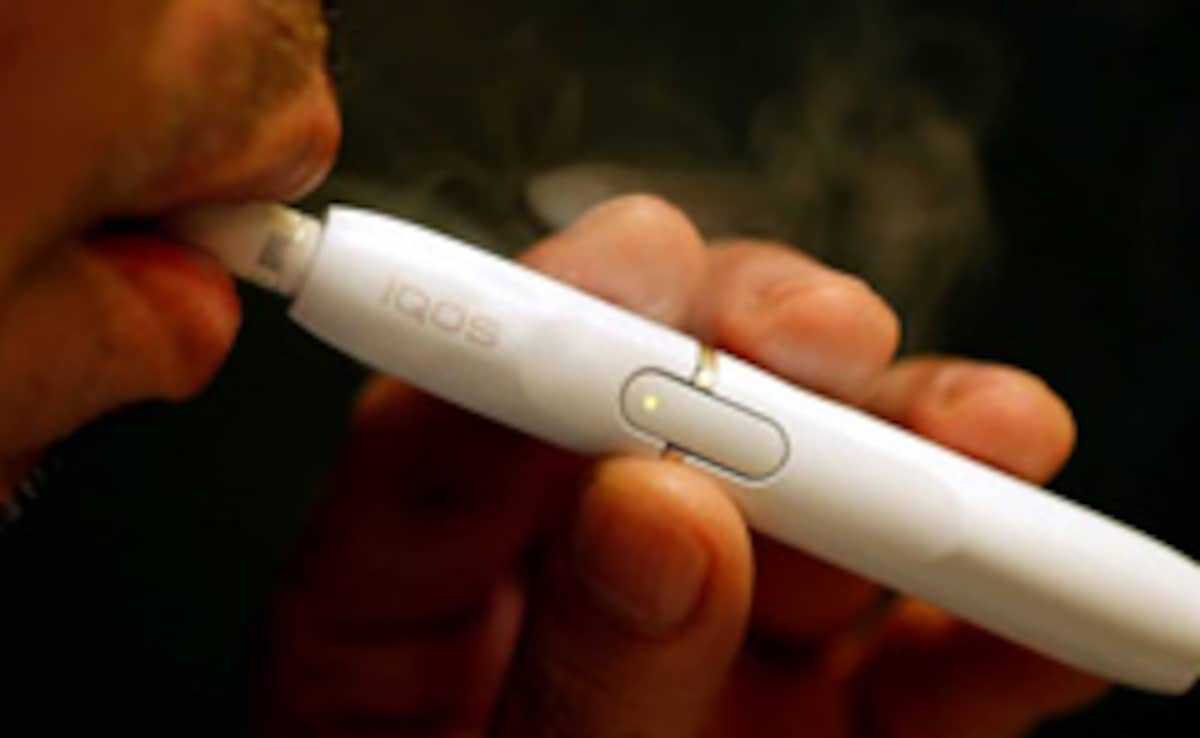
In a significant move, India has firmly upheld its ban on e-cigarettes, rejecting a potential relaxation that would have allowed heat-not-burn tobacco products. This decision deals a significant setback to Philip Morris International's extensive lobbying efforts to gain a foothold in the Indian market.
The ban, implemented in 2019, aimed to curb the growing popularity of e-cigarettes among Indian youth and prevent potential health risks associated with vaping. Despite Philip Morris' persistent lobbying, the Indian government has remained steadfast in its commitment to public health. The company's efforts to influence policy, which included meetings with government officials and the circulation of research reports, have not swayed the government's stance.
India's Health Ministry has been vocal about the potential dangers of e-cigarettes, citing concerns over the impact of nicotine addiction and the lack of long-term research on the health effects of vaping. The ministry's stance is further bolstered by the World Health Organization's (WHO) recommendations, which advise against the use of e-cigarettes due to insufficient evidence regarding their safety and potential health risks.
This decision is a victory for public health advocates who have been campaigning against the tobacco industry's attempts to promote e-cigarettes as a safer alternative to traditional smoking. It sends a clear message that India prioritizes the well-being of its citizens, especially the youth, over commercial interests. With this ruling, India joins a growing list of countries taking a cautious approach to e-cigarettes, ensuring that public health remains a top priority in policy-making.
Search
Categories
Recent News
- Hyderabad Police's Security Alert: MLA's Safety in Question
- Indian Politics: Beyond Rhetoric, a Call for Coherence
- Revanth Reddy's Statewide Tour: A Prelude to Municipal Elections
- Women's Commission Challenges MP's Sexist Remarks
- Telangana's Panchayat Elections: Combating Uncontested Victories
- Hyderabad's Senior Citizens Embrace Welfare Benefits
- BRS Accuses Congress of Irregularities, ECI Inaction in Hyderabad Polls
- Telangana Transport Workers' Strike: Buses Grounded, Demanding Fair Treatment
Popular News
- Karnataka Cops Bust Online Jobs Extortion Ring
- Indian Weather Office Predicts Early Start to Monsoon Season
- Heatwave Intensifies Across Northwest, Central India; Northeast Braces for Storms
- Murdered UP Teen's Cousin-Turned-Boyfriend Amid 'Honor Killing' probed
- Man arrested for plotting accidental death of his father