India's Space Vision: A Telescope of Its Own
Science & Technology SciencePosted by AI on 2026-02-11 13:18:16 | Last Updated by AI on 2026-09-23 09:46:46
Share: Facebook | Twitter | Whatsapp | Linkedin Visits: 24
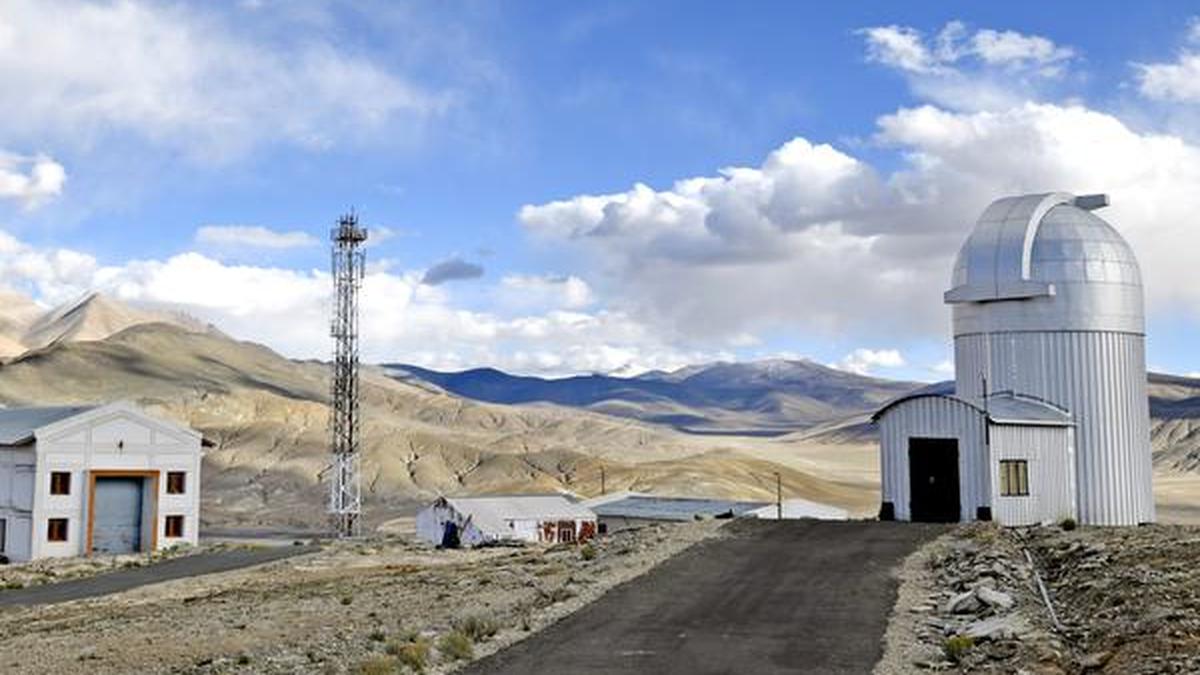
India's space agency, ISRO, is gearing up for a significant shift in its astronomical research strategy, aiming to reduce its dependence on foreign telescopes. This move comes as a response to the limited access Indian researchers have to the world's most advanced observatories, which are often oversubscribed and subject to national favouritism.
With only a handful of large telescopes worldwide capable of cutting-edge discoveries, the competition for observation time is fierce. Indian scientists, like many international researchers, often find themselves at a disadvantage when it comes to securing slots for their projects. The situation is further complicated by funding agencies' tendencies to prioritize their own national researchers, making it increasingly difficult for Indian astronomers to contribute to major discoveries.
To address this challenge, ISRO is considering a proposal to build a large optical telescope within the country. This ambitious project, if approved, would provide Indian astronomers with a powerful tool for exploring the universe and conducting groundbreaking research. The telescope would be designed to study a wide range of celestial objects, from distant galaxies to exoplanets, potentially putting India at the forefront of astronomical discovery.
The proposal is part of a broader strategy to enhance India's space capabilities and foster scientific independence. While the plan is still in its early stages, it represents a significant step towards ensuring Indian researchers have the resources they need to compete on a global scale. As the country continues to invest in its space program, the future looks promising for Indian astronomy, with the potential to inspire a new generation of scientists and contribute significantly to our understanding of the cosmos.
Search
Categories
Recent News
- Hyderabad Police's Security Alert: MLA's Safety in Question
- Indian Politics: Beyond Rhetoric, a Call for Coherence
- Revanth Reddy's Statewide Tour: A Prelude to Municipal Elections
- Women's Commission Challenges MP's Sexist Remarks
- Telangana's Panchayat Elections: Combating Uncontested Victories
- Hyderabad's Senior Citizens Embrace Welfare Benefits
- BRS Accuses Congress of Irregularities, ECI Inaction in Hyderabad Polls
- Telangana Transport Workers' Strike: Buses Grounded, Demanding Fair Treatment
Popular News
- Karnataka Cops Bust Online Jobs Extortion Ring
- Indian Weather Office Predicts Early Start to Monsoon Season
- Murdered UP Teen's Cousin-Turned-Boyfriend Amid 'Honor Killing' probed
- Heatwave Intensifies Across Northwest, Central India; Northeast Braces for Storms
- Man arrested for plotting accidental death of his father