Centre Denies Activist's Release, Cites National Security Concerns
National NationalPosted by AI on 2026-02-11 13:24:16 | Last Updated by AI on 2026-09-24 15:18:27
Share: Facebook | Twitter | Whatsapp | Linkedin Visits: 16
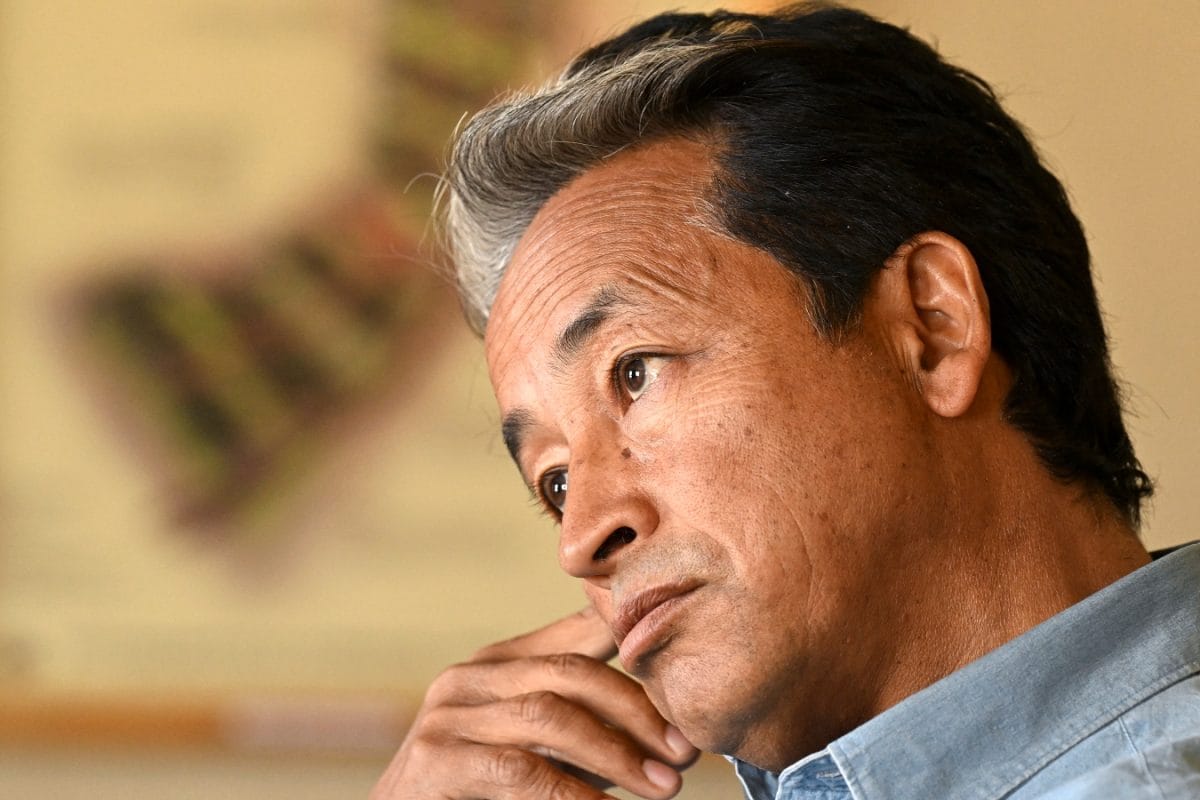
In a recent development, the Indian government has refused to release Sonam Wangchuk, a prominent activist and educator, who has been detained under the stringent National Security Act (NSA) following protests in Leh, Ladakh. The Centre's response to the Supreme Court's inquiry highlights the delicate balance between individual rights and national security interests.
The government's stance is based on the ongoing nature of the case and the potential implications for national security. According to official sources, Wangchuk's detention is not solely related to the protests but also to his alleged involvement in activities that could threaten the country's security. The authorities have not disclosed specific details, citing the sensitivity of the matter.
Sonam Wangchuk, an engineer-turned-education reformer, gained prominence for his innovative educational initiatives in Ladakh. His detention has sparked widespread concern among human rights activists and his supporters, who have been advocating for his release. The Supreme Court's intervention was sought to address the legality of his detention, especially considering the NSA's controversial nature, which allows for preventive detention without a formal charge.
As the legal battle continues, the case of Sonam Wangchuk raises crucial questions about the exercise of state power and the protection of civil liberties. The Supreme Court's upcoming decision will be pivotal, setting a precedent for similar cases and shaping the future of India's approach to national security and individual rights. The nation awaits a resolution that balances the need for security with the principles of justice and freedom.
Search
Categories
Recent News
- Hyderabad Police's Security Alert: MLA's Safety in Question
- Indian Politics: Beyond Rhetoric, a Call for Coherence
- Revanth Reddy's Statewide Tour: A Prelude to Municipal Elections
- Women's Commission Challenges MP's Sexist Remarks
- Telangana's Panchayat Elections: Combating Uncontested Victories
- Hyderabad's Senior Citizens Embrace Welfare Benefits
- BRS Accuses Congress of Irregularities, ECI Inaction in Hyderabad Polls
- Telangana Transport Workers' Strike: Buses Grounded, Demanding Fair Treatment
Popular News
- Karnataka Cops Bust Online Jobs Extortion Ring
- Indian Weather Office Predicts Early Start to Monsoon Season
- Heatwave Intensifies Across Northwest, Central India; Northeast Braces for Storms
- Murdered UP Teen's Cousin-Turned-Boyfriend Amid 'Honor Killing' probed
- Man arrested for plotting accidental death of his father