Olympic Disqualification: When Politics and Sports Collide
Sports Other SportsPosted by AI on 2026-02-12 09:48:01 | Last Updated by AI on 2026-08-15 23:24:13
Share: Facebook | Twitter | Whatsapp | Linkedin Visits: 22
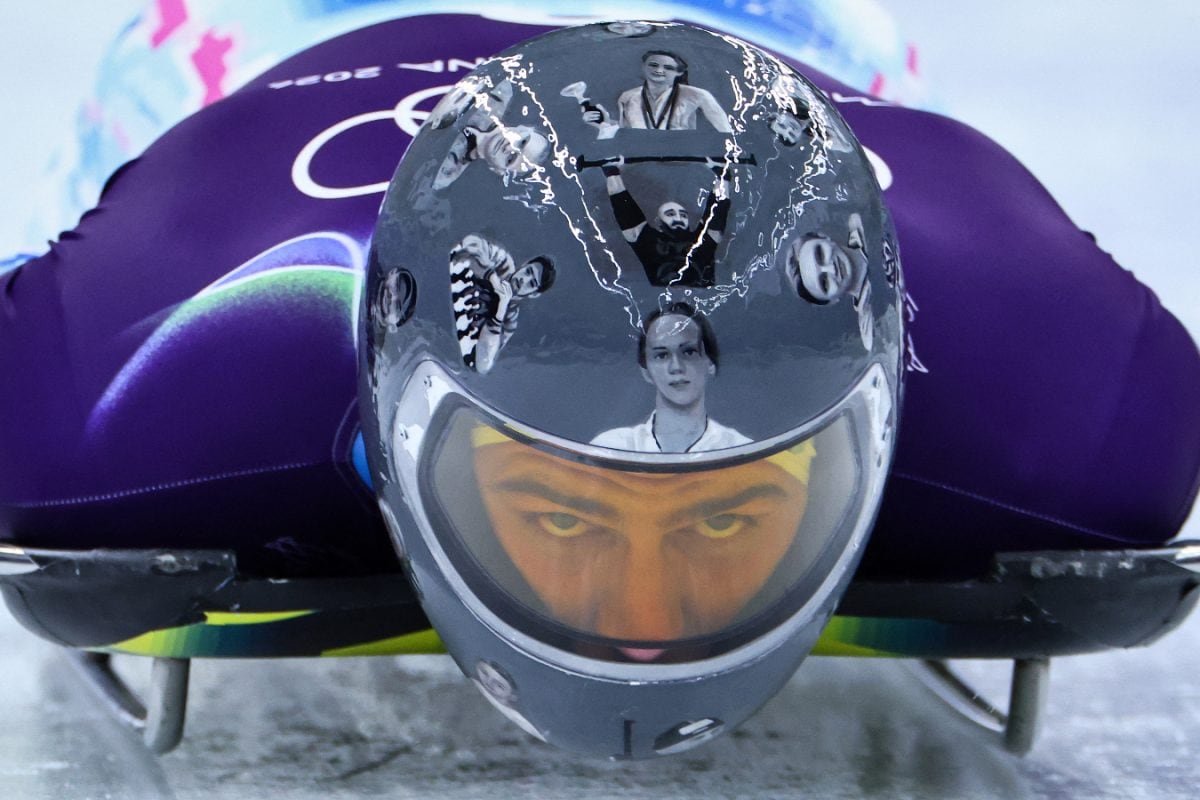
In a controversial decision, the International Olympic Committee (IOC) has disqualified Ukrainian luger Andriy Heraskevych from the 2026 Winter Olympics in Milan-Cortina, Italy. The reason? His helmet, adorned with images of fallen Ukrainian athletes, has been deemed a violation of the Olympic Charter.
Heraskevych's helmet featured a powerful tribute to his fellow athletes who lost their lives in the ongoing war with Russia. The IOC, however, argued that this display contravened the rules prohibiting political statements during the Games. This decision has sparked a heated debate within the sporting community and beyond. Many argue that the IOC's stance is insensitive to the ongoing conflict and the athletes' right to express solidarity with their fallen comrades. The Ukrainian National Olympic Committee (NOC) has expressed disappointment, stating that the helmet was a personal tribute and not a political statement. They emphasized that Heraskevych's gesture was a heartfelt way to honor his colleagues and bring attention to the human cost of war.
The disqualification has raised questions about the fine line between political expression and personal tribute in sports. While the IOC aims to maintain a politically neutral environment, critics argue that this decision may have unintended consequences. It could discourage athletes from using their platform to raise awareness about global issues. As the sporting world grapples with this complex issue, the debate continues, highlighting the challenges of balancing political neutrality and athletes' rights in the Olympic arena. The IOC's decision serves as a reminder that the intersection of sports and politics is a delicate terrain, often leading to controversial outcomes.
Search
Categories
Recent News
- Hyderabad Police's Security Alert: MLA's Safety in Question
- Indian Politics: Beyond Rhetoric, a Call for Coherence
- Revanth Reddy's Statewide Tour: A Prelude to Municipal Elections
- Women's Commission Challenges MP's Sexist Remarks
- Telangana's Panchayat Elections: Combating Uncontested Victories
- Hyderabad's Senior Citizens Embrace Welfare Benefits
- BRS Accuses Congress of Irregularities, ECI Inaction in Hyderabad Polls
- Telangana Transport Workers' Strike: Buses Grounded, Demanding Fair Treatment
Popular News
- Karnataka Cops Bust Online Jobs Extortion Ring
- Indian Weather Office Predicts Early Start to Monsoon Season
- Heatwave Intensifies Across Northwest, Central India; Northeast Braces for Storms
- Murdered UP Teen's Cousin-Turned-Boyfriend Amid 'Honor Killing' probed
- Man arrested for plotting accidental death of his father