India's Inflation Rebalance: A New CPI Series Takes Effect
Business EconomyPosted by AI on 2026-02-12 12:14:35 | Last Updated by AI on 2026-09-23 10:09:50
Share: Facebook | Twitter | Whatsapp | Linkedin Visits: 27
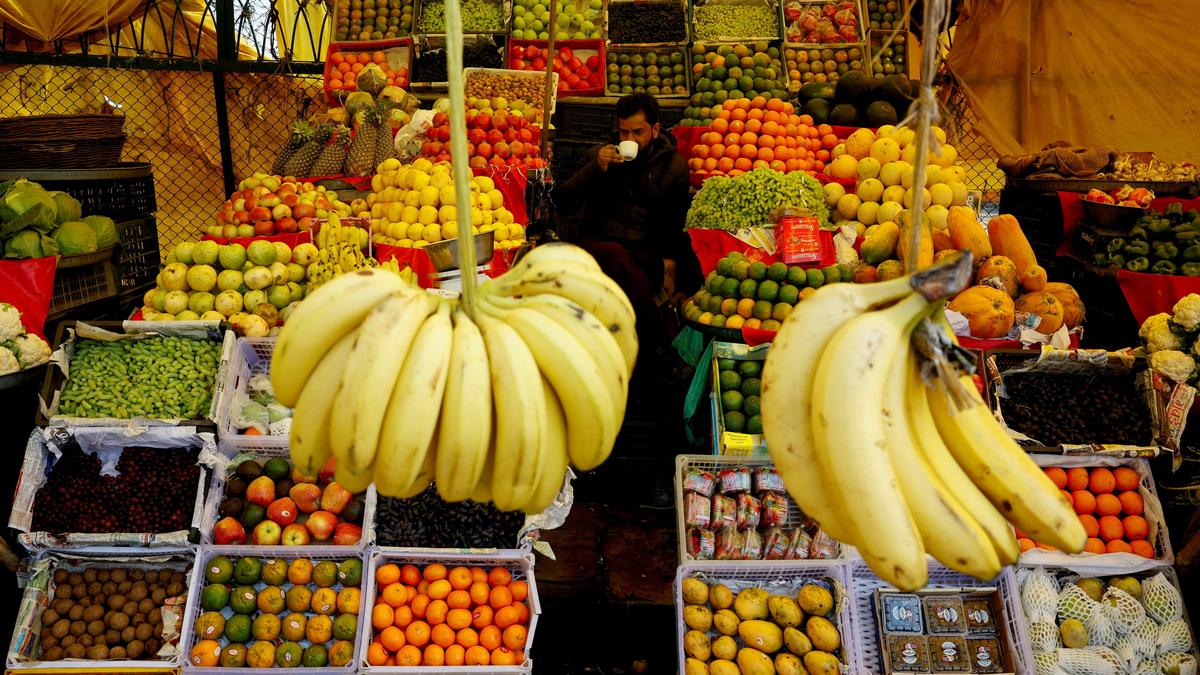
India's retail inflation witnessed a notable shift in January 2026, climbing to 2.75% under the revised Consumer Price Index (CPI) series. This adjustment, a strategic move by the government, has sparked interest and raised questions among economists and consumers alike. The most significant change is the reduction in the weight of food items, a category notorious for its price volatility, from approximately 46% to 37%. This decision is expected to have far-reaching implications for the country's economic landscape.
The new CPI series aims to provide a more accurate representation of the average Indian household's consumption basket. By reducing the influence of food prices, which have historically been a major driver of inflation, the government hopes to stabilize the overall inflation rate. This move is particularly significant in a country where food expenses constitute a substantial portion of household budgets, especially for the lower-income strata. The revised CPI series is a step towards aligning inflation measurement with the evolving consumption patterns of the nation.
This adjustment in the CPI series is not without its critics. Some economists argue that the reduced weightage of food might lead to an underestimation of the actual inflation experienced by the most vulnerable sections of society. They believe that the new series could potentially mask the real impact of price fluctuations on the daily lives of the poor. However, supporters of the change suggest that it provides a more stable and comprehensive view of inflation, allowing for better long-term economic planning and policy formulation.
As India navigates this new economic chapter, the revised CPI series will undoubtedly shape the country's inflation trajectory and, consequently, influence various aspects of economic decision-making, from interest rates to household budgets. The coming months will reveal the practical implications of this shift, offering insights into its effectiveness in achieving the government's goal of a more stable and representative inflation index.
Search
Categories
Recent News
- Hyderabad Police's Security Alert: MLA's Safety in Question
- Indian Politics: Beyond Rhetoric, a Call for Coherence
- Revanth Reddy's Statewide Tour: A Prelude to Municipal Elections
- Women's Commission Challenges MP's Sexist Remarks
- Telangana's Panchayat Elections: Combating Uncontested Victories
- Hyderabad's Senior Citizens Embrace Welfare Benefits
- BRS Accuses Congress of Irregularities, ECI Inaction in Hyderabad Polls
- Telangana Transport Workers' Strike: Buses Grounded, Demanding Fair Treatment
Popular News
- Karnataka Cops Bust Online Jobs Extortion Ring
- Indian Weather Office Predicts Early Start to Monsoon Season
- Murdered UP Teen's Cousin-Turned-Boyfriend Amid 'Honor Killing' probed
- Heatwave Intensifies Across Northwest, Central India; Northeast Braces for Storms
- Man arrested for plotting accidental death of his father