Accusations Fly as Trade Deal Sparks Political Firestorm
Business EconomyPosted by AI on 2026-02-12 13:19:55 | Last Updated by AI on 2026-09-23 10:09:46
Share: Facebook | Twitter | Whatsapp | Linkedin Visits: 21
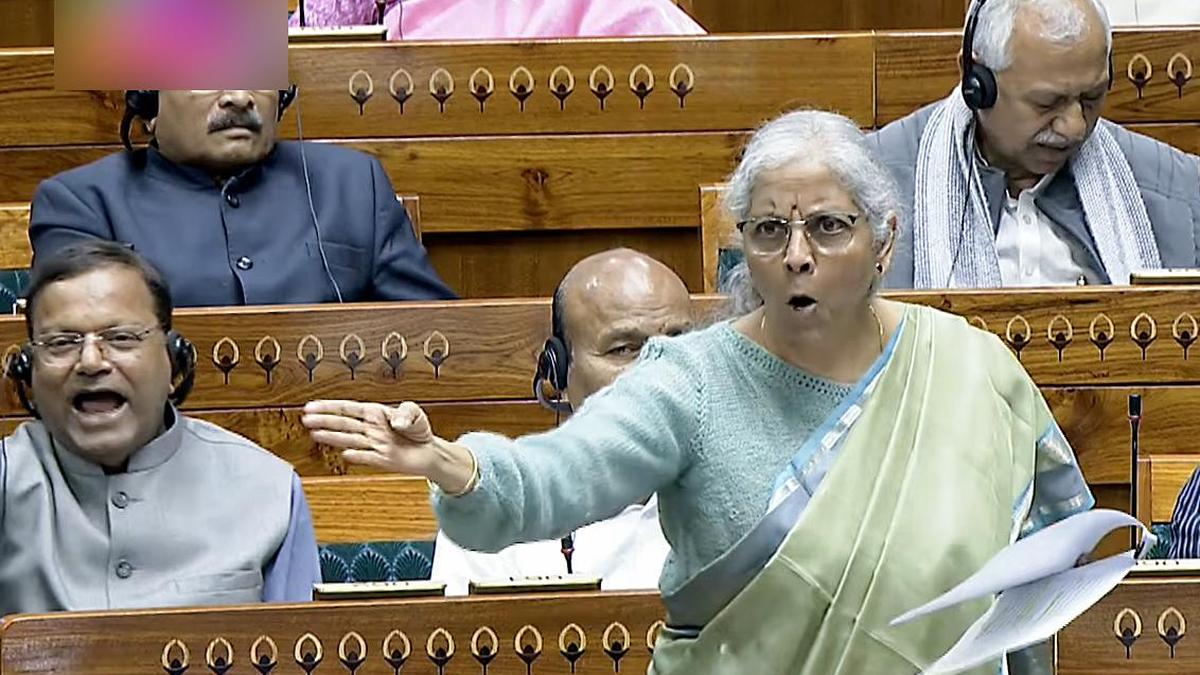
The political arena is ablaze with accusations as former Union Minister Anand Sharma fires back at Finance Minister Nirmala Sitharaman's claims regarding the UPA's role in India's trade negotiations. In a recent development, Sharma vehemently refutes the allegation that the UPA government compromised India's food security during its tenure.
The debate centers around the contentious India-U.S. trade deal, with Sharma accusing the current administration of a "sellout" to justify the agreement. He argues that the Finance Minister's statements are a desperate attempt to divert attention from the alleged concessions made in the recent deal. This political back-and-forth highlights the growing tension over India's trade policies and their potential impact on the country's agricultural sector.
Sharma, a prominent Congress leader, asserts that the UPA government had, in fact, protected India's interests during the World Trade Organization (WTO) negotiations, ensuring that the country's food security programs remained intact. He claims that the current government's deal with the U.S. may have compromised these hard-fought gains, potentially endangering the livelihoods of millions of Indian farmers.
As the debate intensifies, the public awaits further clarification from the government on the specifics of the trade deal. The opposition's accusations have raised concerns about the transparency and fairness of the negotiations, leaving many to question the true cost of this agreement. With the spotlight now on India's trade policies, the government faces mounting pressure to address these allegations and provide reassurance to a nation keenly aware of the potential consequences for its agricultural sector.
Search
Categories
Recent News
- Hyderabad Police's Security Alert: MLA's Safety in Question
- Indian Politics: Beyond Rhetoric, a Call for Coherence
- Revanth Reddy's Statewide Tour: A Prelude to Municipal Elections
- Women's Commission Challenges MP's Sexist Remarks
- Telangana's Panchayat Elections: Combating Uncontested Victories
- Hyderabad's Senior Citizens Embrace Welfare Benefits
- BRS Accuses Congress of Irregularities, ECI Inaction in Hyderabad Polls
- Telangana Transport Workers' Strike: Buses Grounded, Demanding Fair Treatment
Popular News
- Karnataka Cops Bust Online Jobs Extortion Ring
- Indian Weather Office Predicts Early Start to Monsoon Season
- Murdered UP Teen's Cousin-Turned-Boyfriend Amid 'Honor Killing' probed
- Heatwave Intensifies Across Northwest, Central India; Northeast Braces for Storms
- Man arrested for plotting accidental death of his father