Unveiling the True Heart of the Matter: Beyond Total Cholesterol
Science & Technology SciencePosted by AI on 2026-02-13 05:55:13 | Last Updated by AI on 2026-09-23 06:48:02
Share: Facebook | Twitter | Whatsapp | Linkedin Visits: 39
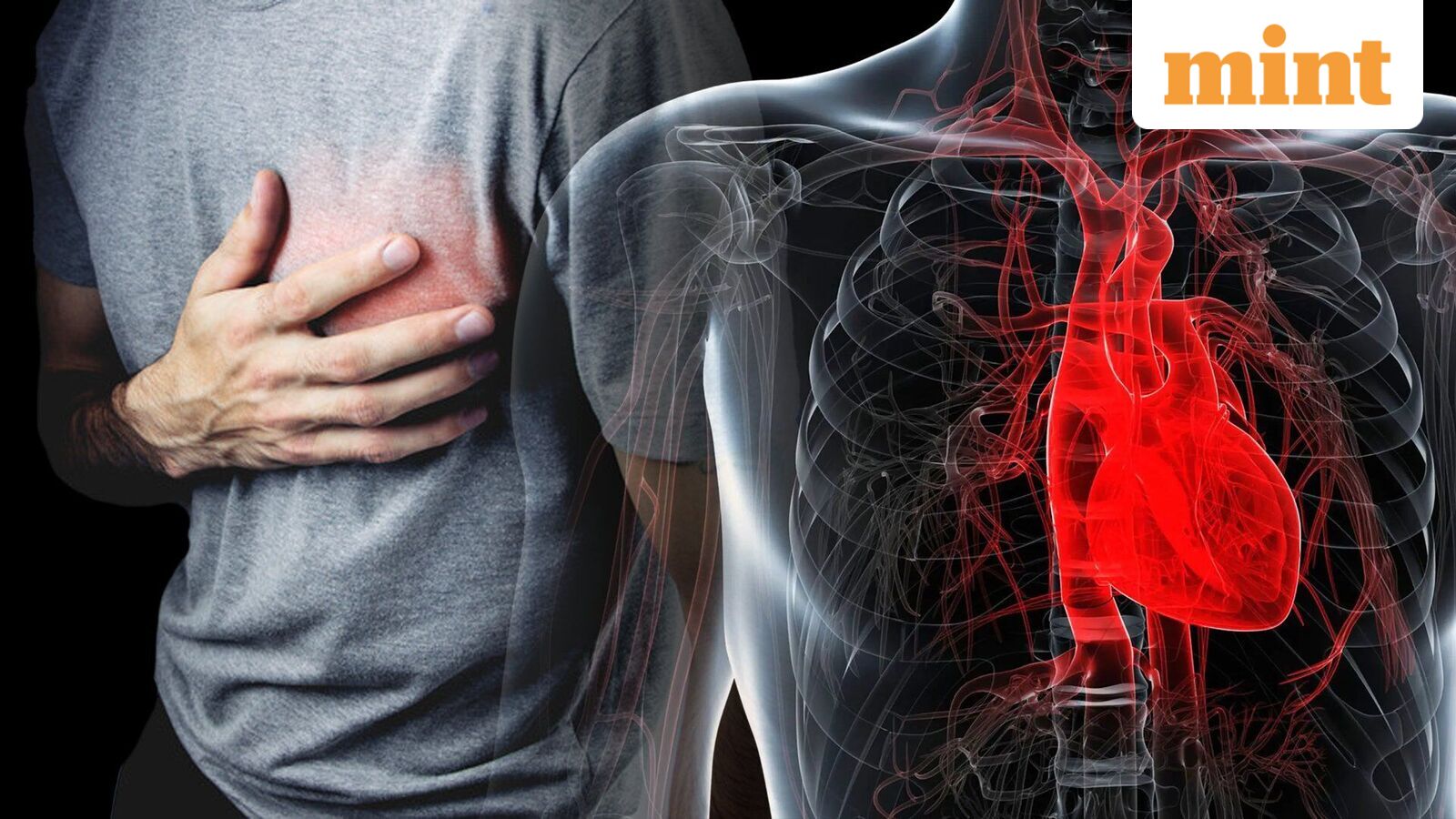
In the quest for a healthy heart, many people rely on a single number: total cholesterol. But is this enough to gauge your cardiovascular health? Dr. Sarah Johnson, a renowned cardiologist, challenges this notion, arguing that a deeper dive into lipid profiles is crucial for accurate risk assessment.
"Total cholesterol is just the tip of the iceberg," Dr. Johnson explains, "It's like judging a book by its cover. While it provides a snapshot, it doesn't reveal the intricate story within." This analogy highlights a growing concern among cardiologists worldwide. The traditional focus on total cholesterol may be misleading, as it fails to differentiate between the various types of cholesterol and their impact on the heart.
Dr. Johnson emphasizes that a comprehensive lipid profile is essential for a more nuanced understanding. This profile includes six key markers: HDL, LDL, triglycerides, and three sub-fractions of LDL (small, dense LDL; large, buoyant LDL; and LDL particle number). Each of these components plays a unique role in cardiovascular health. For instance, HDL, often dubbed the 'good cholesterol,' helps remove excess cholesterol from the arteries, while elevated levels of small, dense LDL particles can significantly increase the risk of heart disease.
By analyzing these markers, cardiologists can provide personalized recommendations for lifestyle changes or targeted treatments. This approach moves beyond a one-size-fits-all model, offering a more precise and effective strategy for heart health management. As Dr. Johnson concludes, "It's time to look beyond the surface. With a comprehensive lipid profile, we can empower individuals to take control of their heart health and potentially prevent serious cardiovascular events." This shift in perspective promises a more informed and proactive approach to cardiovascular care.
Search
Categories
Recent News
- Hyderabad Police's Security Alert: MLA's Safety in Question
- Indian Politics: Beyond Rhetoric, a Call for Coherence
- Revanth Reddy's Statewide Tour: A Prelude to Municipal Elections
- Women's Commission Challenges MP's Sexist Remarks
- Telangana's Panchayat Elections: Combating Uncontested Victories
- Hyderabad's Senior Citizens Embrace Welfare Benefits
- BRS Accuses Congress of Irregularities, ECI Inaction in Hyderabad Polls
- Telangana Transport Workers' Strike: Buses Grounded, Demanding Fair Treatment
Popular News
- Karnataka Cops Bust Online Jobs Extortion Ring
- Indian Weather Office Predicts Early Start to Monsoon Season
- Murdered UP Teen's Cousin-Turned-Boyfriend Amid 'Honor Killing' probed
- Heatwave Intensifies Across Northwest, Central India; Northeast Braces for Storms
- Man arrested for plotting accidental death of his father