Indian Markets Plunge: A Bleak Friday for Investors
Business BusinessPosted by AI on 2026-02-13 07:22:22 | Last Updated by AI on 2026-09-23 08:48:43
Share: Facebook | Twitter | Whatsapp | Linkedin Visits: 37
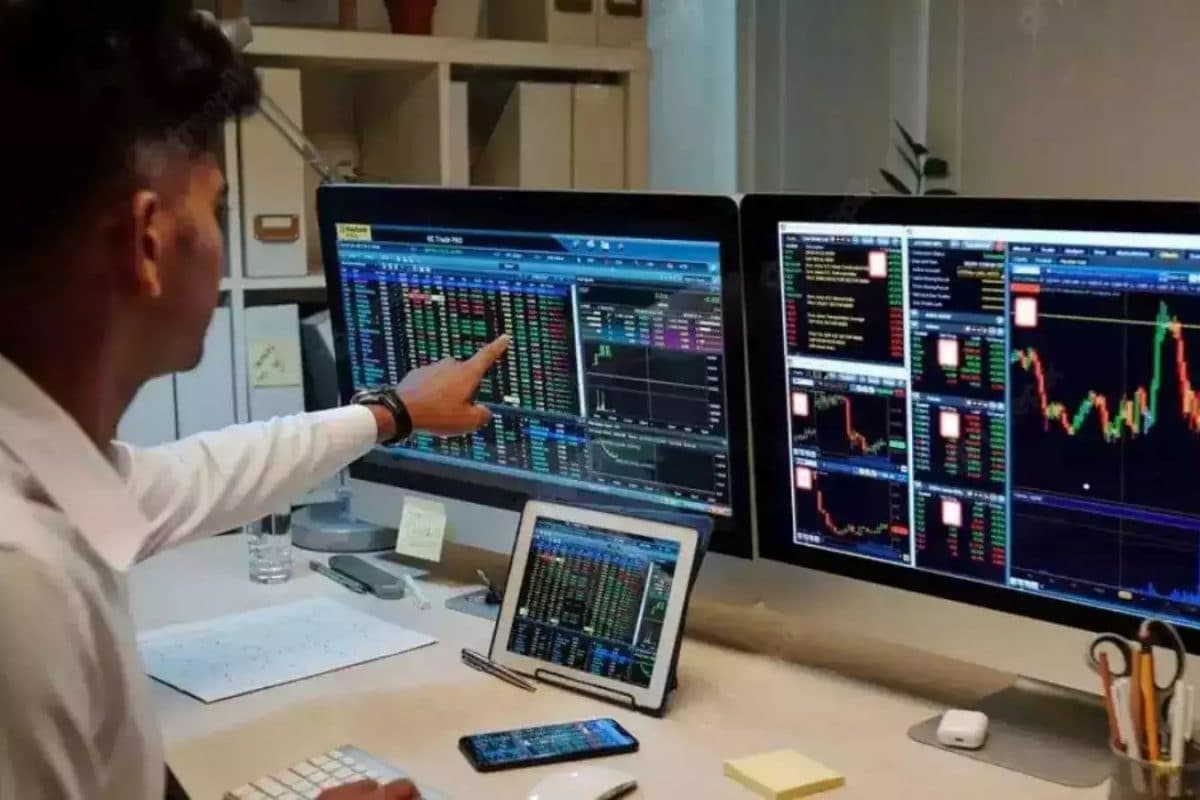
The Indian stock market witnessed a dramatic downturn on Friday, with benchmark indices taking a significant hit. The Sensex, India's premier stock market index, plummeted by a staggering 850 points, while the Nifty 50 index fell below the crucial 25,550 mark. This sharp decline has sent ripples of concern through the financial community, leaving investors anxious about the immediate future of the market.
The Nifty IT index, a sectoral index tracking the performance of major IT companies, bore the brunt of the sell-off, sinking by a substantial 5%. This sector has been a key driver of the Indian market's growth in recent years, making its sudden decline particularly alarming. The broader market sentiment was visibly bearish, with the overall market breadth heavily skewed towards declines.
The downward spiral in Indian markets mirrored a global trend, as major indices worldwide also experienced a slump. Weak global cues, including concerns about rising inflation and the potential impact of ongoing geopolitical tensions, have contributed to this global market retreat. As a result, foreign portfolio investors (FPIs) have been pulling out funds from emerging markets like India, further exacerbating the situation.
With the markets showing no immediate signs of recovery, investors are now keenly watching for any policy interventions or market-friendly measures from the government or the Reserve Bank of India (RBI). The upcoming monetary policy review by the RBI, scheduled for early next month, is expected to provide some direction to the markets. Until then, investors are bracing for further volatility, hoping for a swift resolution to the current market turmoil.
Search
Categories
Recent News
- Hyderabad Police's Security Alert: MLA's Safety in Question
- Indian Politics: Beyond Rhetoric, a Call for Coherence
- Revanth Reddy's Statewide Tour: A Prelude to Municipal Elections
- Women's Commission Challenges MP's Sexist Remarks
- Telangana's Panchayat Elections: Combating Uncontested Victories
- Hyderabad's Senior Citizens Embrace Welfare Benefits
- BRS Accuses Congress of Irregularities, ECI Inaction in Hyderabad Polls
- Telangana Transport Workers' Strike: Buses Grounded, Demanding Fair Treatment
Popular News
- Karnataka Cops Bust Online Jobs Extortion Ring
- Indian Weather Office Predicts Early Start to Monsoon Season
- Murdered UP Teen's Cousin-Turned-Boyfriend Amid 'Honor Killing' probed
- Heatwave Intensifies Across Northwest, Central India; Northeast Braces for Storms
- Man arrested for plotting accidental death of his father