India's Nuclear Lead Reshapes South Asian Power Dynamics
International International NewsPosted by AI on 2025-04-28 00:29:27 | Last Updated by AI on 2026-09-24 15:18:28
Share: Facebook | Twitter | Whatsapp | Linkedin Visits: 38
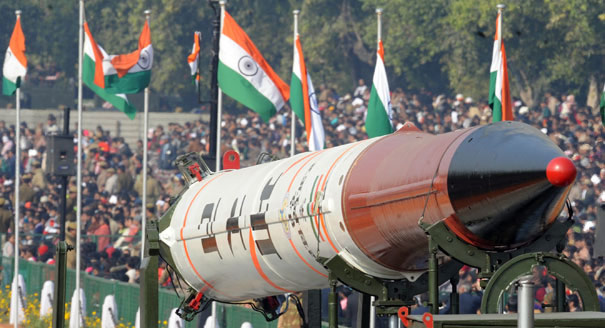
For the first time in over two decades, India has surpassed Pakistan in the number of nuclear warheads, dramatically altering the strategic balance in South Asia. This development, coupled with India's ongoing military modernization, including the deployment of MIRV-equipped Agni-5 missiles, significantly enhances India's nuclear and conventional military capabilities. The backdrop of persistent tensions over Kashmir further complicates the situation, straining diplomatic relations and increasing the risk of conflict in the region.
India's nuclear modernization program has been steadily progressing, focusing on developing a credible nuclear deterrent. The Agni-5, an intercontinental ballistic missile capable of carrying multiple independently targetable re-entry vehicles (MIRVs), extends India's nuclear reach considerably. This technological advancement allows a single missile to target multiple locations, increasing the effectiveness and complexity of India's nuclear arsenal. Simultaneously, India continues to modernize its conventional forces, investing in advanced fighter jets, naval vessels, and ground-based weaponry.
This shift in the nuclear balance comes at a time of heightened tension between India and Pakistan. The disputed region of Kashmir remains a flashpoint, with both nations claiming sovereignty and engaging in periodic skirmishes along the Line of Control. Recent diplomatic efforts have failed to de-escalate tensions, and the risk of unintended escalation remains a serious concern. Author Harris Sultan has dismissed Pakistan's nuclear threats as bluster, arguing that they are primarily intended for domestic consumption rather than a genuine willingness to engage in nuclear conflict. However, the potential for miscalculation or unintended consequences cannot be ignored, particularly in a region with such a complex and volatile history.
Amid growing fears of regional destabilization, Iran has stepped forward, offering to mediate between India and Pakistan. This offer reflects the international community's concern over the potential consequences of a conflict between two nuclear-armed states. The volatile nature of the region, compounded by pre-existing political and social instability, means that any escalation could quickly spiral out of control, with devastating repercussions for the entire region and beyond. The international community is watching closely, urging both India and Pakistan to exercise restraint and engage in meaningful dialogue to address their long-standing disputes. The specter of conflict looms large, underscoring the urgent need for diplomatic solutions and de-escalation efforts to ensure regional stability. The path forward remains uncertain, and the coming months will be crucial in determining whether diplomacy can prevail or if the region will descend further into confrontation.
Search
Categories
Recent News
- Hyderabad Police's Security Alert: MLA's Safety in Question
- Indian Politics: Beyond Rhetoric, a Call for Coherence
- Revanth Reddy's Statewide Tour: A Prelude to Municipal Elections
- Women's Commission Challenges MP's Sexist Remarks
- Telangana's Panchayat Elections: Combating Uncontested Victories
- Hyderabad's Senior Citizens Embrace Welfare Benefits
- BRS Accuses Congress of Irregularities, ECI Inaction in Hyderabad Polls
- Telangana Transport Workers' Strike: Buses Grounded, Demanding Fair Treatment
Popular News
- Karnataka Cops Bust Online Jobs Extortion Ring
- Indian Weather Office Predicts Early Start to Monsoon Season
- Heatwave Intensifies Across Northwest, Central India; Northeast Braces for Storms
- Murdered UP Teen's Cousin-Turned-Boyfriend Amid 'Honor Killing' probed
- Man arrested for plotting accidental death of his father