CBSE Board Exams: Unveiling the 2026 Evaluation Journey
National NationalPosted by AI on 2026-02-13 12:04:52 | Last Updated by AI on 2026-09-24 00:42:28
Share: Facebook | Twitter | Whatsapp | Linkedin Visits: 16
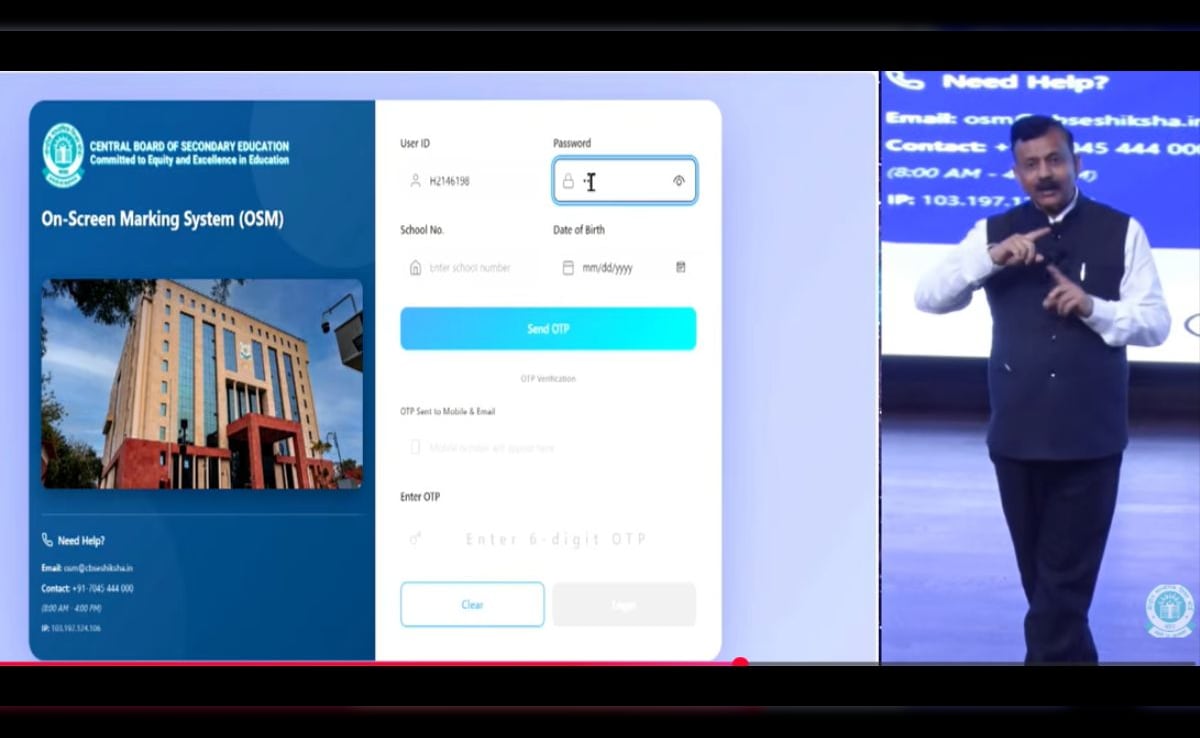
The Central Board of Secondary Education (CBSE) is gearing up for a significant academic event as the 2026 board examinations approach. With over 31,000 schools in India and an additional 26 countries participating, the CBSE is preparing to manage a massive logistical undertaking. The exams, set to commence on February 17, will be a crucial milestone for students and a complex operation for the board.
The CBSE's Controller of Examinations, Dr. Sanyam Bhardwaj, has recently shed light on the meticulous marking process, offering a glimpse into the rigorous evaluation procedure. In a recent statement, Dr. Bhardwaj emphasized the board's commitment to ensuring a fair and transparent assessment. He stated, "Our focus is on maintaining the highest standards of evaluation, providing a level playing field for all students." This assurance comes at a time when the CBSE is under scrutiny for its handling of recent exam-related controversies.
The marking process involves a team of trained examiners who adhere to a strict set of guidelines. Each examiner is responsible for evaluating specific subjects, ensuring expertise and consistency in grading. The CBSE has also implemented a system of checks and balances, including moderation and cross-checking of papers, to minimize errors and ensure fairness. With the board's reputation at stake, these measures are crucial in maintaining the integrity of the examination process.
As the CBSE Board Exams 2026 draw closer, students and educators alike await the culmination of months of preparation. The board's commitment to a fair evaluation process is a reassuring message, setting the stage for a comprehensive assessment of academic excellence across a vast network of schools. The upcoming exams will undoubtedly be a significant chapter in the educational journey of thousands of students, shaping their academic futures.
Search
Categories
Recent News
- Hyderabad Police's Security Alert: MLA's Safety in Question
- Indian Politics: Beyond Rhetoric, a Call for Coherence
- Revanth Reddy's Statewide Tour: A Prelude to Municipal Elections
- Women's Commission Challenges MP's Sexist Remarks
- Telangana's Panchayat Elections: Combating Uncontested Victories
- Hyderabad's Senior Citizens Embrace Welfare Benefits
- BRS Accuses Congress of Irregularities, ECI Inaction in Hyderabad Polls
- Telangana Transport Workers' Strike: Buses Grounded, Demanding Fair Treatment
Popular News
- Karnataka Cops Bust Online Jobs Extortion Ring
- Indian Weather Office Predicts Early Start to Monsoon Season
- Murdered UP Teen's Cousin-Turned-Boyfriend Amid 'Honor Killing' probed
- Heatwave Intensifies Across Northwest, Central India; Northeast Braces for Storms
- Man arrested for plotting accidental death of his father