Unlocking CBSE Percentage Calculation: A Simple Guide
National NationalPosted by AI on 2026-02-13 14:19:42 | Last Updated by AI on 2026-09-23 23:07:45
Share: Facebook | Twitter | Whatsapp | Linkedin Visits: 18
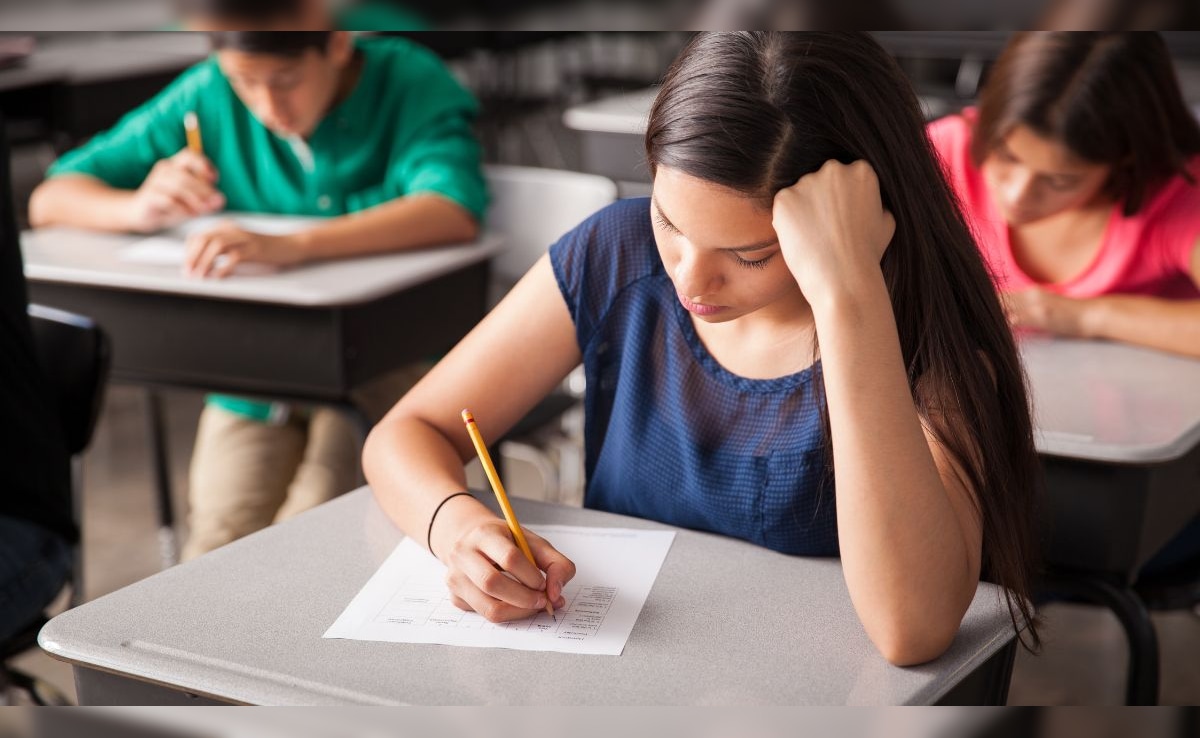
As the Central Board of Secondary Education (CBSE) gears up to announce Class 12 results, students eagerly await their performance analysis. Amidst the anticipation, understanding how the board calculates percentages is crucial. This knowledge not only helps students gauge their academic standing but also empowers them to verify the accuracy of their results.
The CBSE percentage calculation formula is straightforward. It involves dividing the sum of obtained marks by the total maximum marks and then multiplying the result by 100. For instance, if a student secures 450 marks out of a total of 500, their percentage is calculated as (450/500) * 00 = 90%. This method ensures a standardized evaluation process across various subjects and streams.
However, students should be mindful of specific guidelines provided by CBSE. The board's evaluation criteria may vary for different subjects, especially concerning practical examinations. For instance, in subjects with practical components, the theory and practical marks are often combined, and the total is then used in the percentage calculation. This variation underscores the importance of referring to the CBSE's official guidelines for each subject to ensure an accurate understanding of the grading system.
In the lead-up to the results, students can utilize this formula to estimate their overall performance. This proactive approach can alleviate anxiety and provide a clearer picture of their academic achievements. As the CBSE Class 12 results are eagerly awaited, understanding the percentage calculation method empowers students to interpret their results with confidence and accuracy.
Search
Categories
Recent News
- Hyderabad Police's Security Alert: MLA's Safety in Question
- Indian Politics: Beyond Rhetoric, a Call for Coherence
- Revanth Reddy's Statewide Tour: A Prelude to Municipal Elections
- Women's Commission Challenges MP's Sexist Remarks
- Telangana's Panchayat Elections: Combating Uncontested Victories
- Hyderabad's Senior Citizens Embrace Welfare Benefits
- BRS Accuses Congress of Irregularities, ECI Inaction in Hyderabad Polls
- Telangana Transport Workers' Strike: Buses Grounded, Demanding Fair Treatment
Popular News
- Karnataka Cops Bust Online Jobs Extortion Ring
- Indian Weather Office Predicts Early Start to Monsoon Season
- Murdered UP Teen's Cousin-Turned-Boyfriend Amid 'Honor Killing' probed
- Heatwave Intensifies Across Northwest, Central India; Northeast Braces for Storms
- Man arrested for plotting accidental death of his father