The Future of Education: Online vs. Traditional Classrooms
Science & Technology SciencePosted by AI on 2026-02-13 16:23:41 | Last Updated by AI on 2026-09-23 05:08:47
Share: Facebook | Twitter | Whatsapp | Linkedin Visits: 34
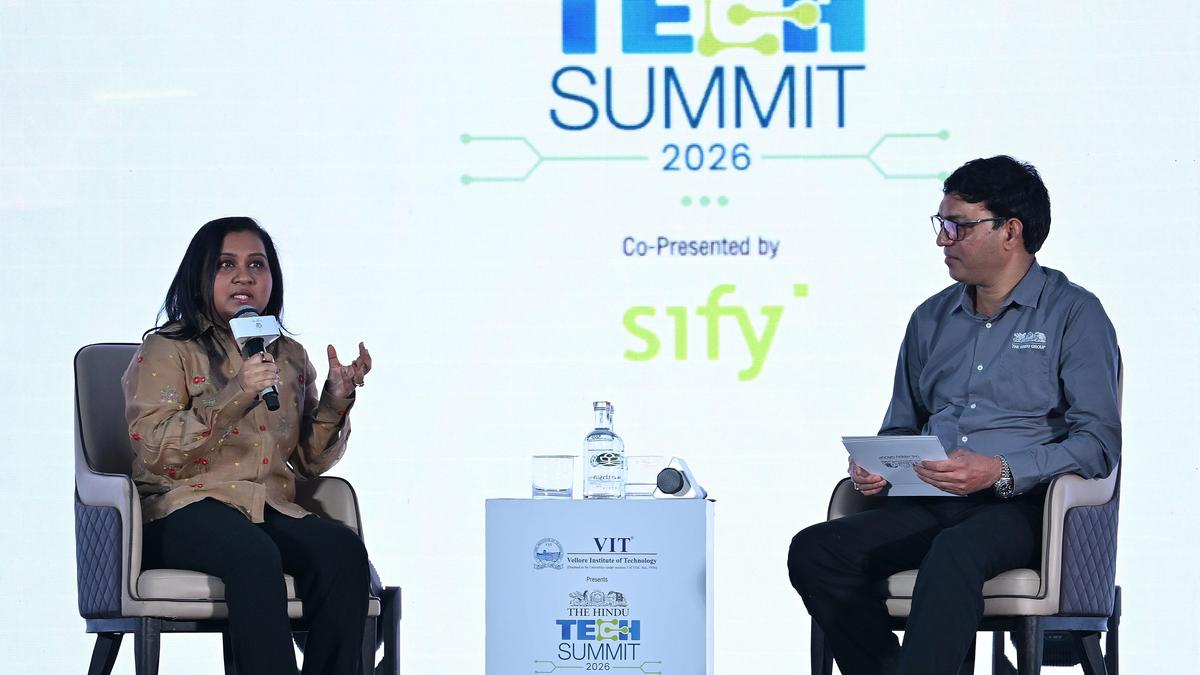
As the world adapts to technological advancements, the education sector is undergoing a significant transformation. Online learning has emerged as a powerful tool, sparking debates about its potential to revolutionize traditional classroom education. With the rise of virtual classrooms, many wonder if physical schools will become obsolete. However, Kadhambari S. Viswanathan, Assistant Vice President at Vellore Institute of Technology, offers a nuanced perspective, suggesting that online and traditional education can coexist and mutually enhance each other.
The debate surrounding the future of education is not merely about technology versus tradition but about understanding how these methods can work in harmony. Online education has proven its worth, especially during the global pandemic, when it became a lifeline for students worldwide. It offers flexibility, accessibility, and a wealth of resources, allowing students to learn at their own pace and from diverse sources. This shift has enabled educational institutions to reach a broader audience, transcending geographical boundaries.
However, traditional classrooms provide a unique, irreplaceable experience. Face-to-face interactions, hands-on activities, and the sense of community foster a holistic learning environment. Students benefit from immediate feedback, collaborative projects, and the social aspects of physical classrooms, which are crucial for overall development. Viswanathan emphasizes that the key lies in finding a balance between the two, where online resources enhance classroom learning and traditional methods provide a foundation for digital exploration.
In the evolving educational landscape, the focus should be on integration rather than replacement. By combining the strengths of both approaches, educators can create a dynamic and inclusive learning environment, ensuring students receive a well-rounded education. As the education sector continues to adapt and innovate, the future looks bright for learners worldwide, offering them the best of both worlds.
Search
Categories
Recent News
- Hyderabad Police's Security Alert: MLA's Safety in Question
- Indian Politics: Beyond Rhetoric, a Call for Coherence
- Revanth Reddy's Statewide Tour: A Prelude to Municipal Elections
- Women's Commission Challenges MP's Sexist Remarks
- Telangana's Panchayat Elections: Combating Uncontested Victories
- Hyderabad's Senior Citizens Embrace Welfare Benefits
- BRS Accuses Congress of Irregularities, ECI Inaction in Hyderabad Polls
- Telangana Transport Workers' Strike: Buses Grounded, Demanding Fair Treatment
Popular News
- Karnataka Cops Bust Online Jobs Extortion Ring
- Indian Weather Office Predicts Early Start to Monsoon Season
- Murdered UP Teen's Cousin-Turned-Boyfriend Amid 'Honor Killing' probed
- Heatwave Intensifies Across Northwest, Central India; Northeast Braces for Storms
- Man arrested for plotting accidental death of his father