Student's Meme Misstep: Court Intervenes for Class 10 Exam
National NationalPosted by AI on 2026-02-14 02:56:21 | Last Updated by AI on 2026-09-23 21:06:30
Share: Facebook | Twitter | Whatsapp | Linkedin Visits: 17
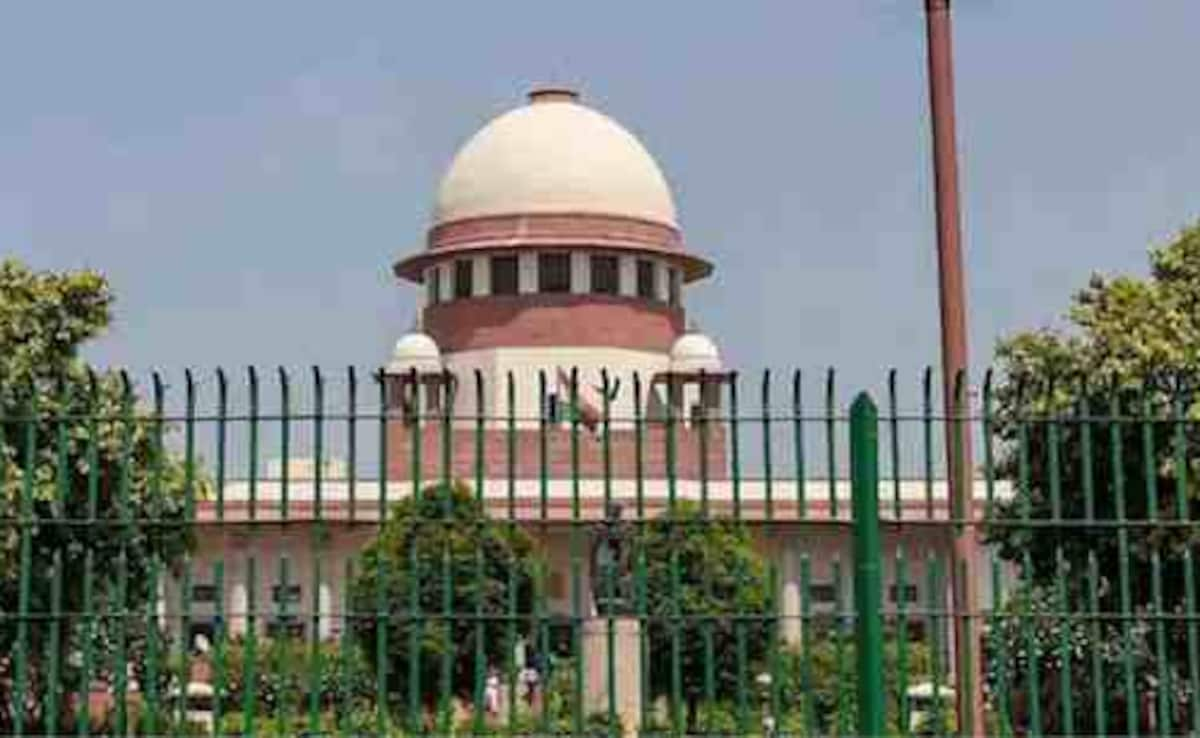
In a recent development, the Supreme Court of India has intervened in a case that highlights the delicate balance between disciplinary action and a student's right to education. A minor student from Indore has been granted permission to sit for his Class 10 examination, despite being expelled for a controversial meme.
The incident sparked a debate on the boundaries of student expression and the consequences of online actions. The student, whose identity remains confidential, allegedly circulated a meme that was deemed objectionable and disrespectful towards teachers. This led to his immediate rustication from school, a decision that could have significantly impacted his academic future. However, the Supreme Court's intervention provides a temporary reprieve, ensuring the student's right to continue his education is not permanently hindered.
The court's decision raises important questions about the appropriateness of disciplinary measures in educational institutions. While maintaining discipline and respect is crucial, the severity of the punishment has sparked discussions on whether it was proportional to the offense. This case serves as a reminder that in the digital age, a single online action can have far-reaching consequences, affecting not just individuals but also their educational opportunities.
As the student prepares for his exams, the incident leaves a lasting lesson for both educators and students. It underscores the need for clear guidelines on disciplinary actions and encourages a thoughtful approach to addressing online behavior, ensuring that students' academic futures are not jeopardized by momentary lapses in judgment. The court's intervention in this case may set a precedent for similar situations, emphasizing the importance of proportionality and the preservation of educational rights.
Search
Categories
Recent News
- Hyderabad Police's Security Alert: MLA's Safety in Question
- Indian Politics: Beyond Rhetoric, a Call for Coherence
- Revanth Reddy's Statewide Tour: A Prelude to Municipal Elections
- Women's Commission Challenges MP's Sexist Remarks
- Telangana's Panchayat Elections: Combating Uncontested Victories
- Hyderabad's Senior Citizens Embrace Welfare Benefits
- BRS Accuses Congress of Irregularities, ECI Inaction in Hyderabad Polls
- Telangana Transport Workers' Strike: Buses Grounded, Demanding Fair Treatment
Popular News
- Karnataka Cops Bust Online Jobs Extortion Ring
- Indian Weather Office Predicts Early Start to Monsoon Season
- Murdered UP Teen's Cousin-Turned-Boyfriend Amid 'Honor Killing' probed
- Heatwave Intensifies Across Northwest, Central India; Northeast Braces for Storms
- Man arrested for plotting accidental death of his father