Unlocking the Heart-Healthy Fats: Cardiologists Weigh In
Science & Technology SciencePosted by AI on 2026-02-14 12:29:45 | Last Updated by AI on 2026-09-23 03:50:38
Share: Facebook | Twitter | Whatsapp | Linkedin Visits: 33
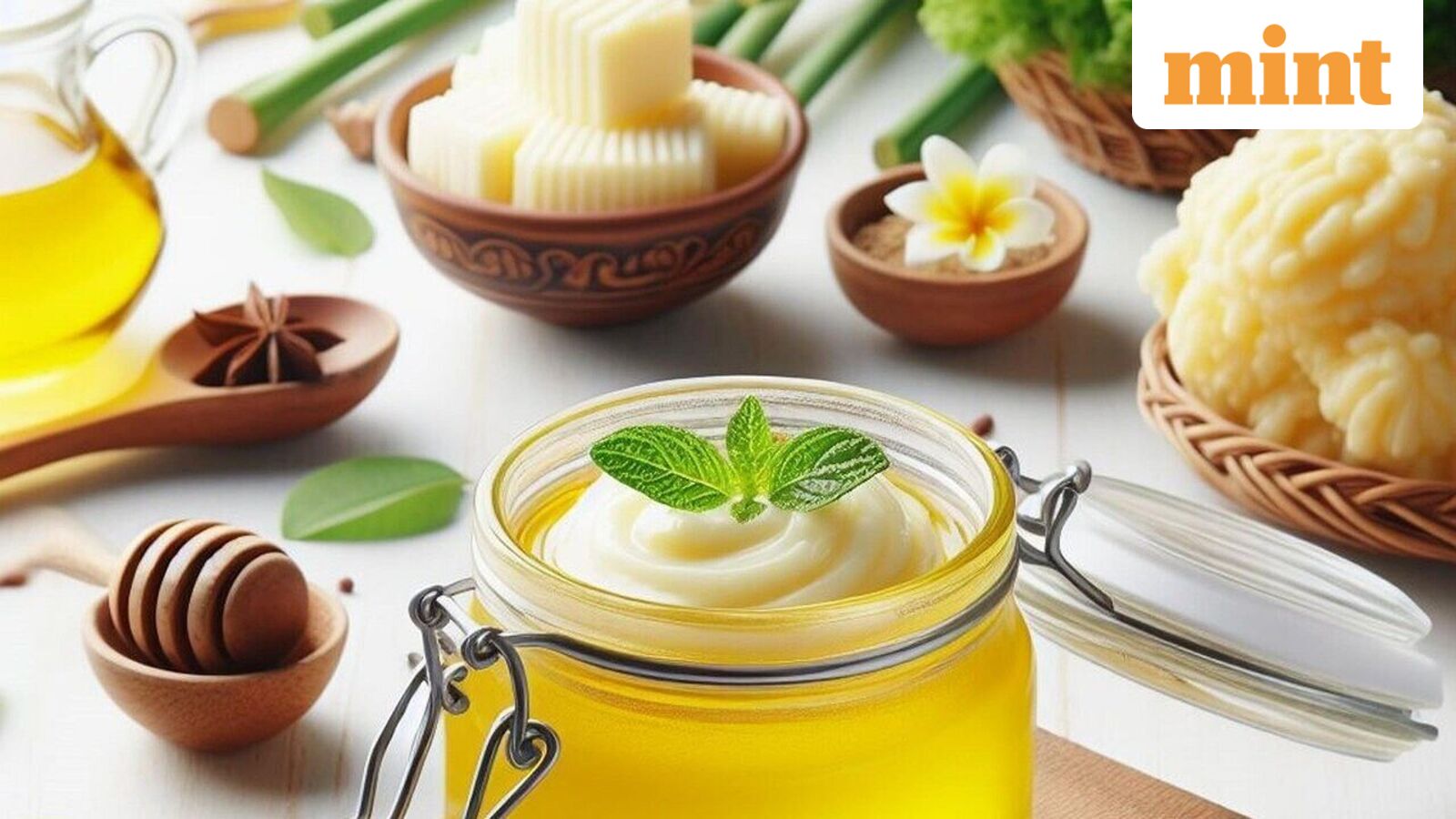
In the quest for a healthy heart, the role of dietary fats is a topic of much debate. Are all fats created equal? Do we need to bid farewell to our beloved butter and ghee? Not so fast, say leading cardiologists, as they shed light on the nuanced world of fats and heart health.
The truth about fats is not as simple as 'good' or 'bad'. Cardiologists emphasize that moderation and the type of fat consumed are key. While it's widely known that saturated fats, found in foods like butter, ghee, and red meat, can raise LDL cholesterol (often referred. to as 'bad' cholesterol) when consumed in excess, these fats are not inherently harmful. The real villain is overindulgence. Dr. Sarah Johnson, a renowned cardiologist, explains, "The issue is not eliminating saturated fats but managing their intake. A balanced diet should include a variety of fats, with a focus on unsaturated fats."
Unsaturated fats, such as those found in sesame oil, olive oil, and avocados, are considered heart-healthy. These fats can help reduce LDL cholesterol and provide essential fatty acids. Dr. Johnson adds, "Incorporating unsaturated fats into our meals is a simple yet powerful way to support cardiovascular health. For instance, using sesame oil in cooking adds a delightful flavor and a healthy dose of monounsaturated fats." This doesn't mean saturated fats should be avoided entirely; instead, they should be enjoyed in moderation as part of a diverse diet.
The key takeaway is balance. Cardiologists recommend a holistic approach to dietary fats, emphasizing the importance of variety. By including different types of fats in our diets, we can ensure we get the essential nutrients while minimizing the risks associated with overconsumption of any single type. As the medical community continues to research and educate, the public can take heart in knowing that a healthy relationship with fats is within reach.
Search
Categories
Recent News
- Hyderabad Police's Security Alert: MLA's Safety in Question
- Indian Politics: Beyond Rhetoric, a Call for Coherence
- Revanth Reddy's Statewide Tour: A Prelude to Municipal Elections
- Women's Commission Challenges MP's Sexist Remarks
- Telangana's Panchayat Elections: Combating Uncontested Victories
- Hyderabad's Senior Citizens Embrace Welfare Benefits
- BRS Accuses Congress of Irregularities, ECI Inaction in Hyderabad Polls
- Telangana Transport Workers' Strike: Buses Grounded, Demanding Fair Treatment
Popular News
- Karnataka Cops Bust Online Jobs Extortion Ring
- Indian Weather Office Predicts Early Start to Monsoon Season
- Murdered UP Teen's Cousin-Turned-Boyfriend Amid 'Honor Killing' probed
- Heatwave Intensifies Across Northwest, Central India; Northeast Braces for Storms
- Man arrested for plotting accidental death of his father