India-UK Embrace Historic Trade Partnership
National NationalPosted by AI on 2026-02-15 13:17:11 | Last Updated by AI on 2026-09-23 15:07:32
Share: Facebook | Twitter | Whatsapp | Linkedin Visits: 16
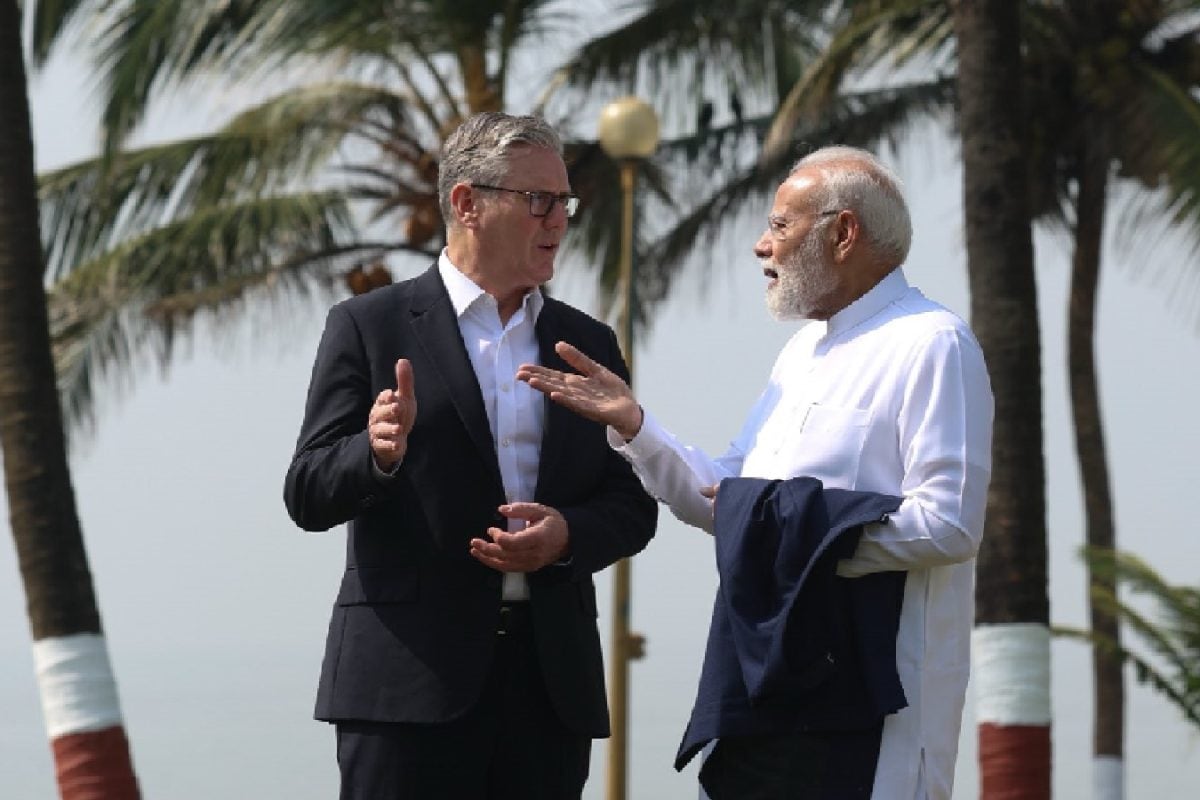
In a significant development, India and the United Kingdom have sealed a landmark trade agreement, marking a new era of economic cooperation between the two nations. The Comprehensive Economic and Trade Agreement (CETA) was signed on July 24, 2025, in a ceremony that symbolized the strengthening of bilateral ties. This agreement is set to revolutionize trade relations, offering a plethora of opportunities for businesses and consumers alike.
The CETA is a comprehensive deal, eliminating tariffs on 90% of goods traded between the countries over the next decade. It encompasses various sectors, including automotive, textiles, pharmaceuticals, and food and drink. The pact is expected to boost bilateral trade, currently valued at 24 billion, by as much as 3.6 billion, according to UK government estimates. This agreement is a strategic move for both nations, aiming to reduce reliance on traditional trading partners and diversify supply chains. It comes at a time when global trade patterns are shifting, and countries are reevaluating their economic alliances.
The agreement also includes provisions for small and medium-sized enterprises (SMEs), offering them greater access to markets and opportunities for growth. This is particularly significant for India, where SMEs contribute significantly to the economy. The deal will simplify customs procedures, making it easier for businesses to trade and providing a more stable and predictable trading relationship. With the implementation expected in April, businesses and policymakers are gearing up for the changes, anticipating increased trade and investment flows.
As the world watches, this India-UK trade pact is poised to reshape economic landscapes, fostering growth and innovation. The agreement's potential to create new opportunities and strengthen bilateral ties is a testament to the power of international cooperation.
Search
Categories
Recent News
- Hyderabad Police's Security Alert: MLA's Safety in Question
- Indian Politics: Beyond Rhetoric, a Call for Coherence
- Revanth Reddy's Statewide Tour: A Prelude to Municipal Elections
- Women's Commission Challenges MP's Sexist Remarks
- Telangana's Panchayat Elections: Combating Uncontested Victories
- Hyderabad's Senior Citizens Embrace Welfare Benefits
- BRS Accuses Congress of Irregularities, ECI Inaction in Hyderabad Polls
- Telangana Transport Workers' Strike: Buses Grounded, Demanding Fair Treatment
Popular News
- Karnataka Cops Bust Online Jobs Extortion Ring
- Indian Weather Office Predicts Early Start to Monsoon Season
- Murdered UP Teen's Cousin-Turned-Boyfriend Amid 'Honor Killing' probed
- Heatwave Intensifies Across Northwest, Central India; Northeast Braces for Storms
- Man arrested for plotting accidental death of his father