Muslim Woman's Devout Journey: 170 km of Faith and Dedication
National NationalPosted by AI on 2026-02-15 16:34:21 | Last Updated by AI on 2026-09-23 15:04:51
Share: Facebook | Twitter | Whatsapp | Linkedin Visits: 18
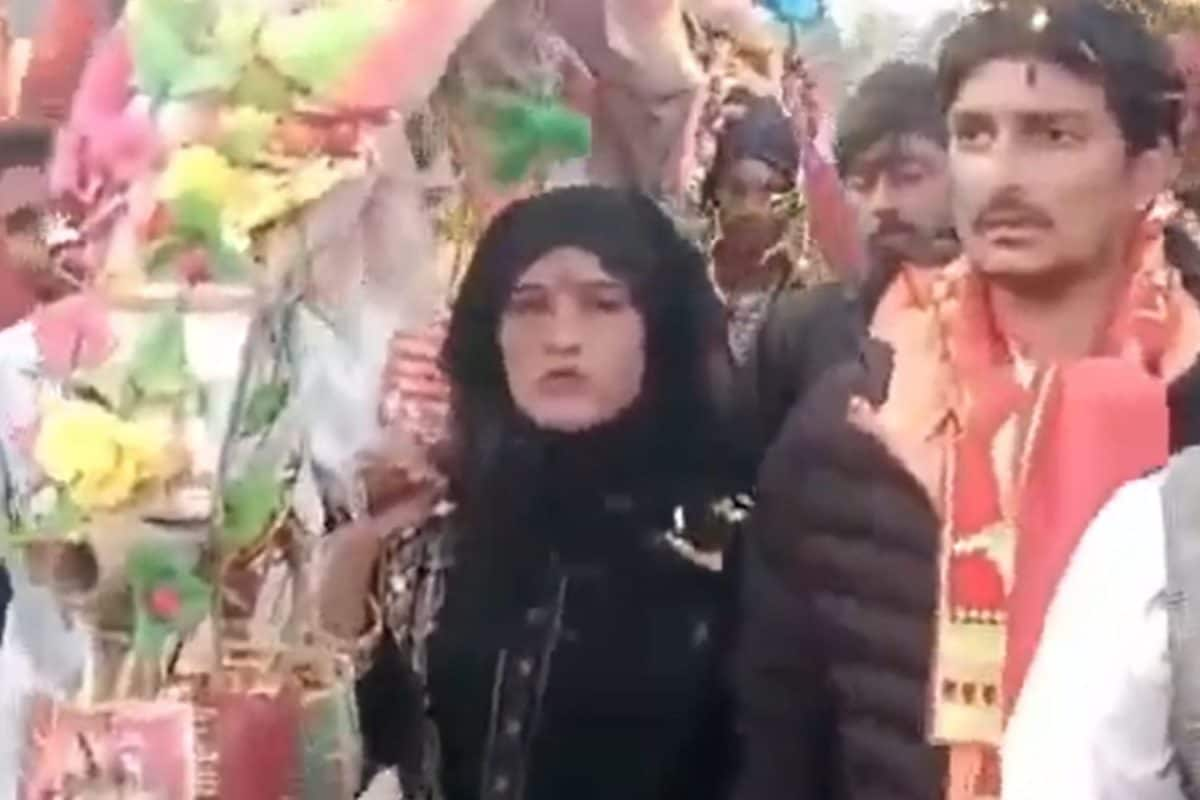
In a remarkable display of faith and determination, Tamanna Malik, a Muslim woman, embarked on a spiritual journey that has captured the hearts of many. Her 170-kilometer kanwar yatra to Haridwar, clad in a burqa, culminated in a sacred ritual at the Kshem Nath Temple in Sambhal, Uttar Pradesh, on the auspicious day of Mahashivratri.
This extraordinary feat challenges stereotypes and showcases the unity and devotion that transcend religious boundaries. Tamanna's journey began as a personal vow, a promise to undertake the kanwar yatra if her wishes were granted. She set out on this arduous pilgrimage, carrying the holy water from the Ganges, a tradition typically observed by Hindu devotees. Walking for days, she braved the elements and the physical demands of the journey, all while adhering to her religious attire.
Upon reaching Sambhal, Tamanna performed the 'jalabhishek' ritual, pouring the sacred water over the Shivling at the temple. This act of devotion attracted attention and admiration from onlookers, who witnessed a powerful demonstration of faith and unity. The temple's priest, impressed by her dedication, praised her saying, "Her unwavering faith and respect for all religions is an example for all of us." This event highlights the essence of religious harmony, where personal beliefs can coexist and even intertwine, fostering a sense of community and shared respect.
As word spreads, Tamanna's journey is expected to inspire and encourage interfaith dialogue and understanding. Her story serves as a powerful reminder that devotion and respect for different faiths can bring people together, fostering a more inclusive and harmonious society. The impact of her actions may extend beyond Sambhal, igniting conversations and inspiring others to embrace and celebrate India's diverse religious fabric.
Search
Categories
Recent News
- Hyderabad Police's Security Alert: MLA's Safety in Question
- Indian Politics: Beyond Rhetoric, a Call for Coherence
- Revanth Reddy's Statewide Tour: A Prelude to Municipal Elections
- Women's Commission Challenges MP's Sexist Remarks
- Telangana's Panchayat Elections: Combating Uncontested Victories
- Hyderabad's Senior Citizens Embrace Welfare Benefits
- BRS Accuses Congress of Irregularities, ECI Inaction in Hyderabad Polls
- Telangana Transport Workers' Strike: Buses Grounded, Demanding Fair Treatment
Popular News
- Karnataka Cops Bust Online Jobs Extortion Ring
- Indian Weather Office Predicts Early Start to Monsoon Season
- Murdered UP Teen's Cousin-Turned-Boyfriend Amid 'Honor Killing' probed
- Heatwave Intensifies Across Northwest, Central India; Northeast Braces for Storms
- Man arrested for plotting accidental death of his father