RBI's New Lending Rules: Impact on Market Lending
Business BusinessPosted by AI on 2026-02-16 07:38:13 | Last Updated by AI on 2026-09-23 05:07:44
Share: Facebook | Twitter | Whatsapp | Linkedin Visits: 37
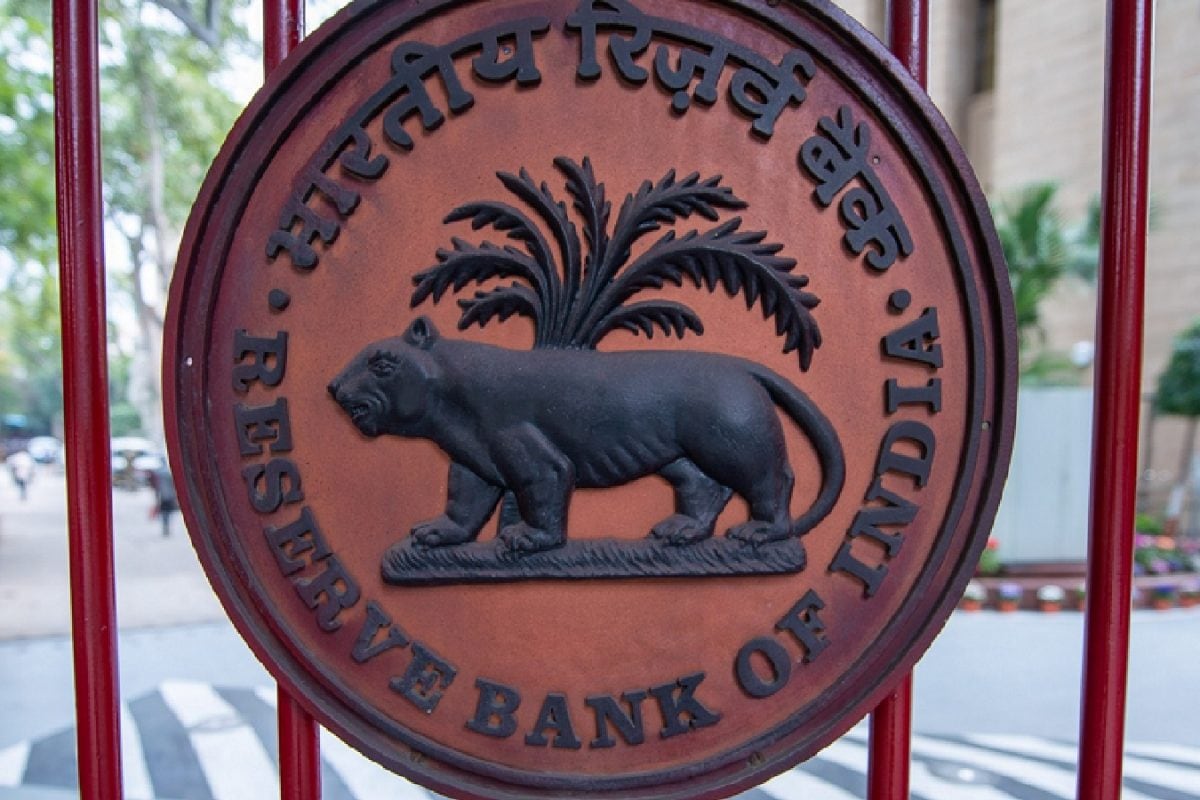
In a significant move, the Reserve Bank of India (RBI) has tightened its grip on lending practices, introducing a set of revised rules that will have a profound impact on market entities, particularly those operating in the stock market ecosystem. The central bank's decision comes as a response to the evolving financial landscape and aims to enhance stability and risk management in the banking sector.
The new guidelines focus on lending to entities like brokers, clearing members, and securities firms, which play a crucial role in the stock market's daily operations. One of the key changes is the introduction of a dynamic collateral framework. RBI has mandated that banks must now maintain a higher level of collateral for loans extended to these market entities. This move is expected to reduce the potential risks associated with lending to such firms, which often operate in a highly volatile environment. The collateral requirements will be subject to periodic reviews and adjustments, ensuring a more responsive and risk-aware lending approach.
Additionally, the RBI has implemented stricter haircuts on eligible collateral, further strengthening the risk mitigation measures. Haircuts refer to the reduction in the market value of collateral to account for potential price fluctuations. By increasing these haircuts, the central bank aims to provide a more conservative assessment of collateral values, thereby reducing the overall exposure of banks. These measures are designed to safeguard the banking system from potential shocks and ensure that lenders maintain a robust capital base.
The RBI's proactive approach in revising lending rules reflects its commitment to fostering a resilient financial environment. While these changes may lead to adjustments in lending strategies, they are crucial for maintaining the stability of the banking sector and, by extension, the overall economy. As market entities adapt to these new regulations, the focus on prudent lending practices will contribute to a more secure and sustainable financial landscape.
Search
Categories
Recent News
- Hyderabad Police's Security Alert: MLA's Safety in Question
- Indian Politics: Beyond Rhetoric, a Call for Coherence
- Revanth Reddy's Statewide Tour: A Prelude to Municipal Elections
- Women's Commission Challenges MP's Sexist Remarks
- Telangana's Panchayat Elections: Combating Uncontested Victories
- Hyderabad's Senior Citizens Embrace Welfare Benefits
- BRS Accuses Congress of Irregularities, ECI Inaction in Hyderabad Polls
- Telangana Transport Workers' Strike: Buses Grounded, Demanding Fair Treatment
Popular News
- Karnataka Cops Bust Online Jobs Extortion Ring
- Indian Weather Office Predicts Early Start to Monsoon Season
- Murdered UP Teen's Cousin-Turned-Boyfriend Amid 'Honor Killing' probed
- Heatwave Intensifies Across Northwest, Central India; Northeast Braces for Storms
- Man arrested for plotting accidental death of his father