Political Storm: Opposition's Protest and the Speaker's Fate
Politics Politics of IndiaPosted by AI on 2026-02-16 09:42:54 | Last Updated by AI on 2026-09-23 05:09:02
Share: Facebook | Twitter | Whatsapp | Linkedin Visits: 39
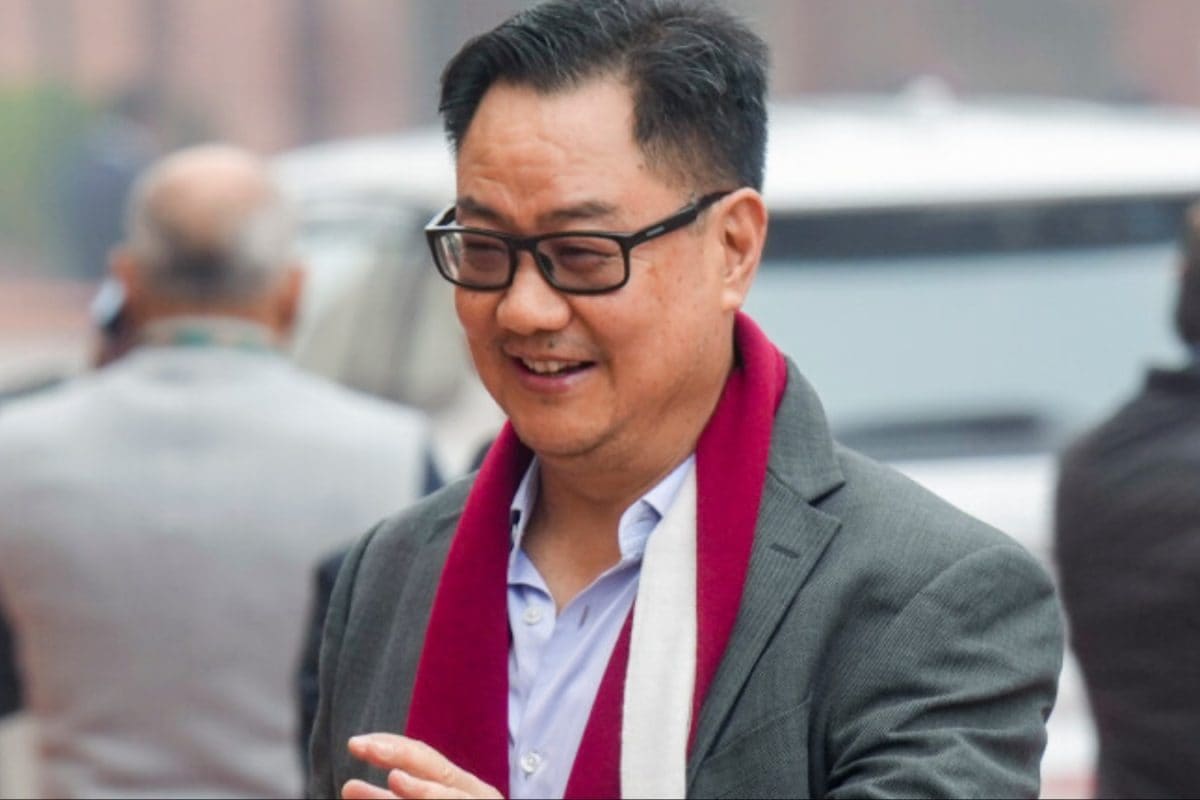
The Indian Parliament witnessed a dramatic turn of events as the opposition parties staged a protest during Prime Minister Narendra Modi's address, with Union Minister Kiren Rijiju accusing them of creating an "ugly scene." The incident has sparked a political firestorm, drawing attention to a broader issue regarding the membership of prominent opposition leader Rahul Gandhi and the impending no-confidence motion against the Speaker.
The protest, led by opposition members, erupted as a response to the government's alleged breach of parliamentary rules. Rijiju, in a post-incident interview, revealed that the opposition's actions were an attempt to disrupt the proceedings and divert attention from a "rule book case" concerning Rahul Gandhi's Lok Sabha membership. This revelation adds a new layer to the ongoing political drama. The opposition's strategy, according to Rijiju, was to create chaos and shift the focus from the potential disqualification of one of their key leaders.
Furthermore, Rijiju hinted at the likelihood of the no-confidence motion against the Speaker being taken up for discussion. This motion, if successful, could lead to significant changes in the parliamentary leadership. The minister's comments suggest that the current political turmoil may have far-reaching consequences, impacting not only individual politicians but also the overall functioning of the Indian Parliament.
As the political storm rages on, the public awaits the outcome of the no-confidence motion, which could reshape the power dynamics within the legislative body. The opposition's protest, while creating a spectacle, has inadvertently drawn attention to the underlying issues of parliamentary procedure and the potential consequences for key political figures.
Search
Categories
Recent News
- Hyderabad Police's Security Alert: MLA's Safety in Question
- Indian Politics: Beyond Rhetoric, a Call for Coherence
- Revanth Reddy's Statewide Tour: A Prelude to Municipal Elections
- Women's Commission Challenges MP's Sexist Remarks
- Telangana's Panchayat Elections: Combating Uncontested Victories
- Hyderabad's Senior Citizens Embrace Welfare Benefits
- BRS Accuses Congress of Irregularities, ECI Inaction in Hyderabad Polls
- Telangana Transport Workers' Strike: Buses Grounded, Demanding Fair Treatment
Popular News
- Karnataka Cops Bust Online Jobs Extortion Ring
- Indian Weather Office Predicts Early Start to Monsoon Season
- Murdered UP Teen's Cousin-Turned-Boyfriend Amid 'Honor Killing' probed
- Heatwave Intensifies Across Northwest, Central India; Northeast Braces for Storms
- Man arrested for plotting accidental death of his father