Mumbai's Civic Elections: A Troubling Trend of Criminal Candidates
National NationalPosted by AI on 2026-02-16 10:07:53 | Last Updated by AI on 2026-09-23 11:03:57
Share: Facebook | Twitter | Whatsapp | Linkedin Visits: 35
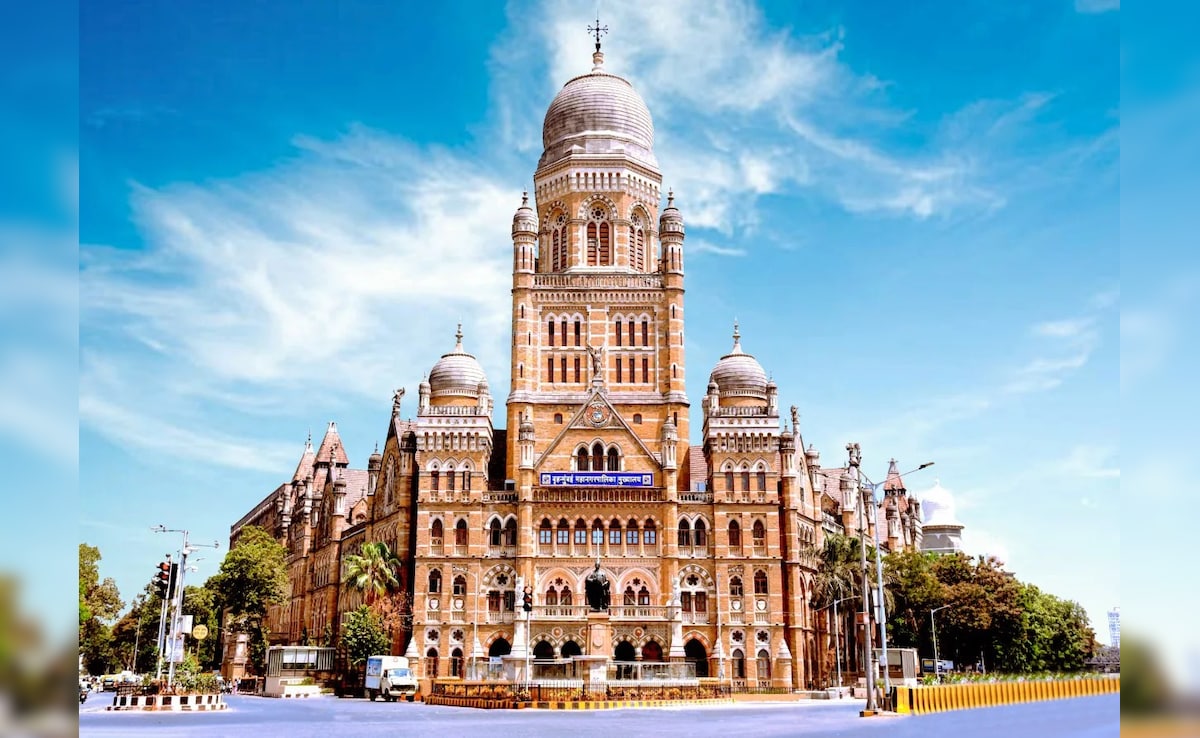
Mumbai, the financial capital of India, recently witnessed a concerning trend in its local body elections, raising questions about the integrity of the democratic process. The 2026 Brihanmumbai Municipal Corporation (BMC) polls have brought to light a startling revelation: almost 25% of the winning candidates have self-declared criminal cases pending against them. This statistic is not just a number but a reflection of a deeper issue within the city's political landscape.
The BMC elections, often considered a barometer of public sentiment, saw a significant turnout, with voters expressing their choices for the city's governance. However, the post-election analysis paints a different picture. Among the victorious candidates, a substantial number have admitted to ongoing criminal proceedings, ranging from minor offenses to more serious charges. This trend is not isolated; it mirrors a growing national concern where candidates with criminal backgrounds are increasingly entering politics.
This situation has sparked debates about the eligibility criteria for political candidates and the need for stricter background checks. Critics argue that the presence of individuals with criminal cases in public office erodes trust in the political system and may hinder effective governance. As Mumbai moves forward with its newly elected representatives, the focus shifts to the impact this trend will have on the city's development and the measures required to ensure ethical leadership. The election results have not only determined the city's administrative future but have also ignited a conversation about the intersection of politics and criminal justice, leaving many to ponder the implications for Mumbai's governance and democracy.
Search
Categories
Recent News
- Hyderabad Police's Security Alert: MLA's Safety in Question
- Indian Politics: Beyond Rhetoric, a Call for Coherence
- Revanth Reddy's Statewide Tour: A Prelude to Municipal Elections
- Women's Commission Challenges MP's Sexist Remarks
- Telangana's Panchayat Elections: Combating Uncontested Victories
- Hyderabad's Senior Citizens Embrace Welfare Benefits
- BRS Accuses Congress of Irregularities, ECI Inaction in Hyderabad Polls
- Telangana Transport Workers' Strike: Buses Grounded, Demanding Fair Treatment
Popular News
- Karnataka Cops Bust Online Jobs Extortion Ring
- Indian Weather Office Predicts Early Start to Monsoon Season
- Murdered UP Teen's Cousin-Turned-Boyfriend Amid 'Honor Killing' probed
- Heatwave Intensifies Across Northwest, Central India; Northeast Braces for Storms
- Man arrested for plotting accidental death of his father