Europe Accuses, Russia Denies: The Navalny Poisoning Dispute
International International NewsPosted by AI on 2026-02-16 12:04:38 | Last Updated by AI on 2026-09-23 05:06:41
Share: Facebook | Twitter | Whatsapp | Linkedin Visits: 44
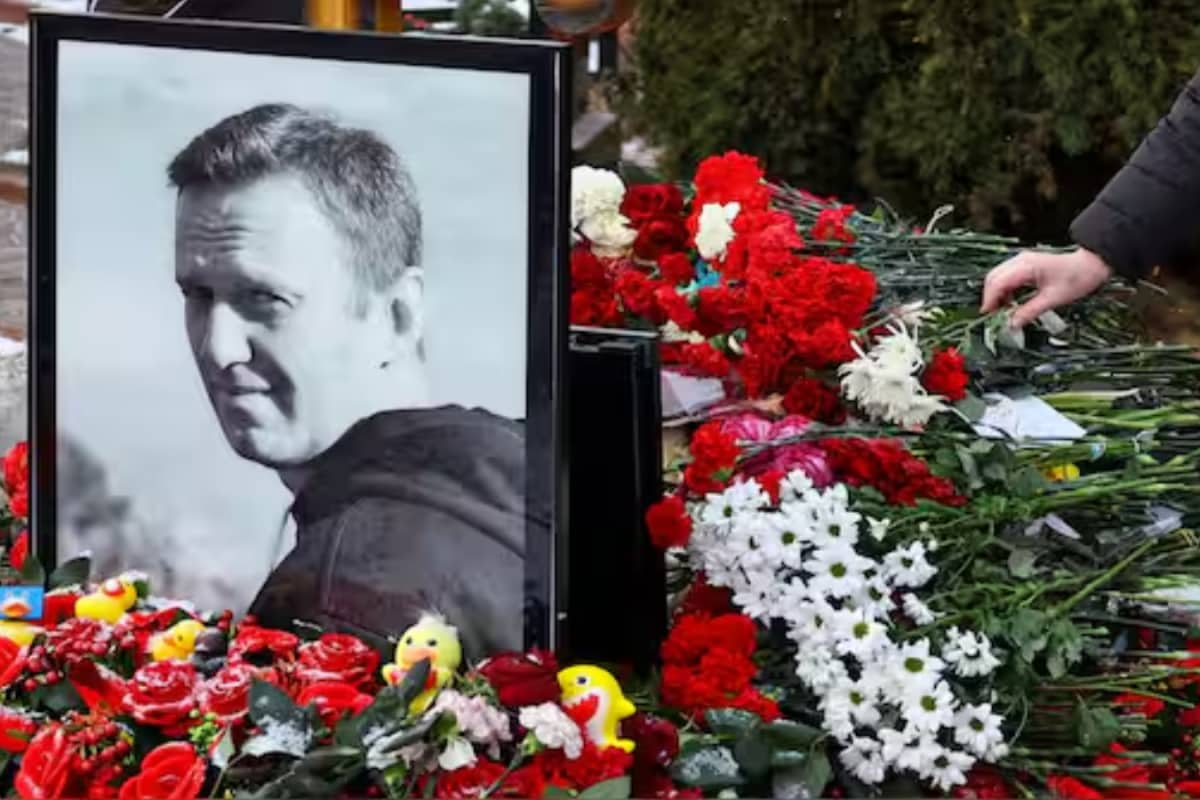
In a recent development, the Kremlin has vehemently rejected accusations from five European nations regarding the poisoning of Russian opposition leader Alexei Navalny. This incident has sparked a diplomatic row, with each side presenting its version of events and demanding accountability.
The European nations, including the UK, France, Germany, Sweden, and the Netherlands, issued a joint statement asserting their belief that Navalny was poisoned with a military-grade nerve agent from the Novichok group. This statement came after the Organisation for the Prohibition of Chemical Weapons (OPCW) confirmed the presence of Novichok in Navalny's samples. The European allies demanded an explanation from Russia, stating that the use of chemical weapons is a grave violation of international law.
However, the Kremlin has categorically denied any involvement in the incident. Dmitry Peskov, the Kremlin's spokesperson, called the accusations "biased and baseless" and claimed that Russia has nothing to hide. He further stated that Russian doctors found no traces of poison in Navalny's system when he was initially hospitalized in Siberia. Peskov suggested that the European allegations are politically motivated and aimed at discrediting Russia.
As the dispute intensifies, the international community watches closely. The European Union is considering sanctions against Russia, while the OPCW is expected to release a detailed report on its investigation. The case has brought tensions between Russia and Europe to the forefront, raising questions about diplomatic relations and the potential consequences for global politics. With Navalny now recovering in Germany, the world awaits further evidence and responses from all parties involved, hoping for a resolution that upholds justice and international norms.
Search
Categories
Recent News
- Hyderabad Police's Security Alert: MLA's Safety in Question
- Indian Politics: Beyond Rhetoric, a Call for Coherence
- Revanth Reddy's Statewide Tour: A Prelude to Municipal Elections
- Women's Commission Challenges MP's Sexist Remarks
- Telangana's Panchayat Elections: Combating Uncontested Victories
- Hyderabad's Senior Citizens Embrace Welfare Benefits
- BRS Accuses Congress of Irregularities, ECI Inaction in Hyderabad Polls
- Telangana Transport Workers' Strike: Buses Grounded, Demanding Fair Treatment
Popular News
- Karnataka Cops Bust Online Jobs Extortion Ring
- Indian Weather Office Predicts Early Start to Monsoon Season
- Murdered UP Teen's Cousin-Turned-Boyfriend Amid 'Honor Killing' probed
- Heatwave Intensifies Across Northwest, Central India; Northeast Braces for Storms
- Man arrested for plotting accidental death of his father