Carlsen Crowned in Chess Innovation
Sports Other SportsPosted by AI on 2026-02-16 15:07:45 | Last Updated by AI on 2026-08-15 07:00:49
Share: Facebook | Twitter | Whatsapp | Linkedin Visits: 27
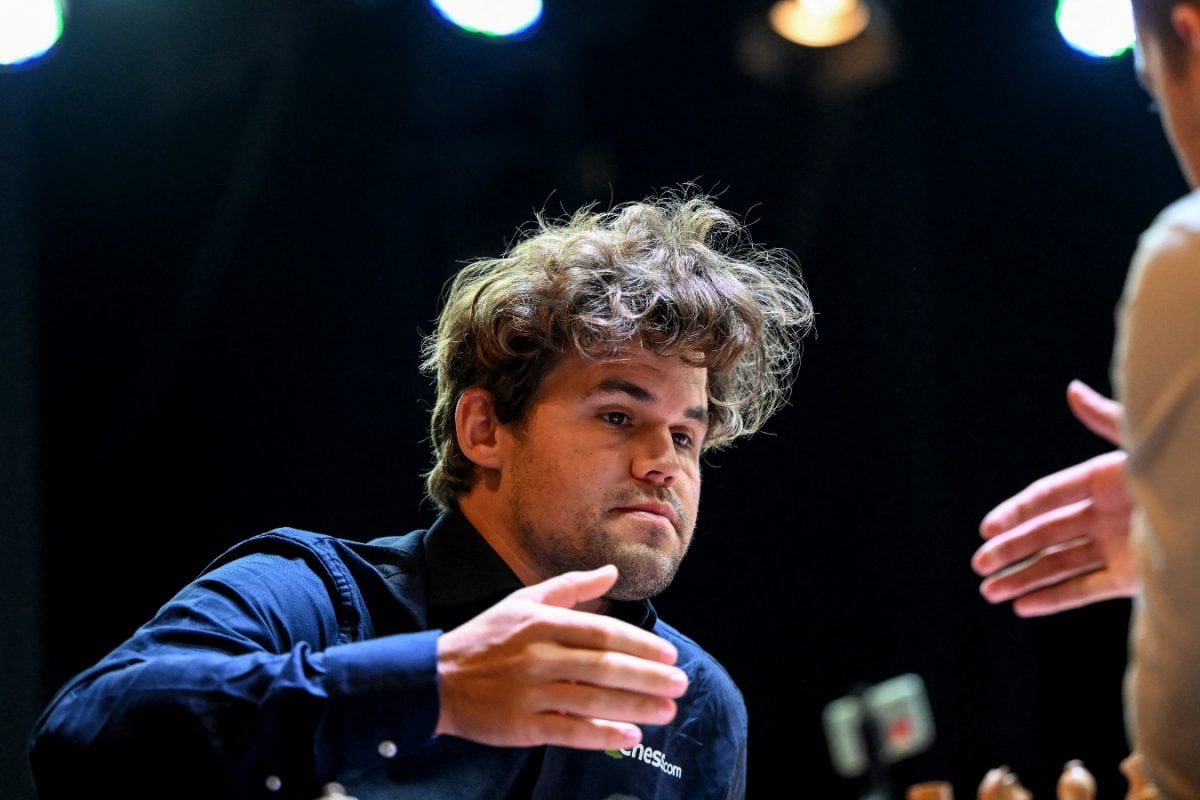
In a historic moment for the world of chess, Magnus Carlsen secured his 21st world title, becoming the inaugural FIDE Freestyle Chess champion. The tournament, held in the picturesque setting of Weissenhaus, Germany, showcased a unique blend of human skill and artificial intelligence (AI) assistance.
The final match was a highly anticipated showdown between Carlsen and American grandmaster Fabiano Caruana. Both players have been at the forefront of embracing AI in chess, a controversial topic that has divided the chess community. The format allowed players to use computer assistance during the game, a significant departure from traditional chess tournaments. This innovative approach to the ancient game has sparked debates about the future of chess and the role of AI in sports.
Carlsen, known for his relentless pursuit of excellence, demonstrated his adaptability and strategic prowess in this new format. He navigated the complexities of human-AI collaboration, showcasing his ability to analyze and interpret computer-generated moves while adding his intuitive touch. The Norwegian grandmaster's victory solidifies his status as a chess legend, proving his dominance in both classical and modern chess variations.
As the chess world reflects on this groundbreaking tournament, the victory raises questions about the future of the game. Will Freestyle Chess gain widespread acceptance, or will it remain a niche variation? The debate surrounding AI's role in chess is far from over, but one thing is certain: Magnus Carlsen has once again proven his ability to adapt and conquer, solidifying his legacy as one of the greatest chess players of all time.
Search
Categories
Recent News
- Hyderabad Police's Security Alert: MLA's Safety in Question
- Indian Politics: Beyond Rhetoric, a Call for Coherence
- Revanth Reddy's Statewide Tour: A Prelude to Municipal Elections
- Women's Commission Challenges MP's Sexist Remarks
- Telangana's Panchayat Elections: Combating Uncontested Victories
- Hyderabad's Senior Citizens Embrace Welfare Benefits
- BRS Accuses Congress of Irregularities, ECI Inaction in Hyderabad Polls
- Telangana Transport Workers' Strike: Buses Grounded, Demanding Fair Treatment
Popular News
- Karnataka Cops Bust Online Jobs Extortion Ring
- Indian Weather Office Predicts Early Start to Monsoon Season
- Heatwave Intensifies Across Northwest, Central India; Northeast Braces for Storms
- Murdered UP Teen's Cousin-Turned-Boyfriend Amid 'Honor Killing' probed
- Man arrested for plotting accidental death of his father