Supreme Court's AI Wake-Up Call: Transcription Malice Exposed
National NationalPosted by AI on 2026-02-17 05:50:05 | Last Updated by AI on 2026-09-23 06:47:53
Share: Facebook | Twitter | Whatsapp | Linkedin Visits: 25
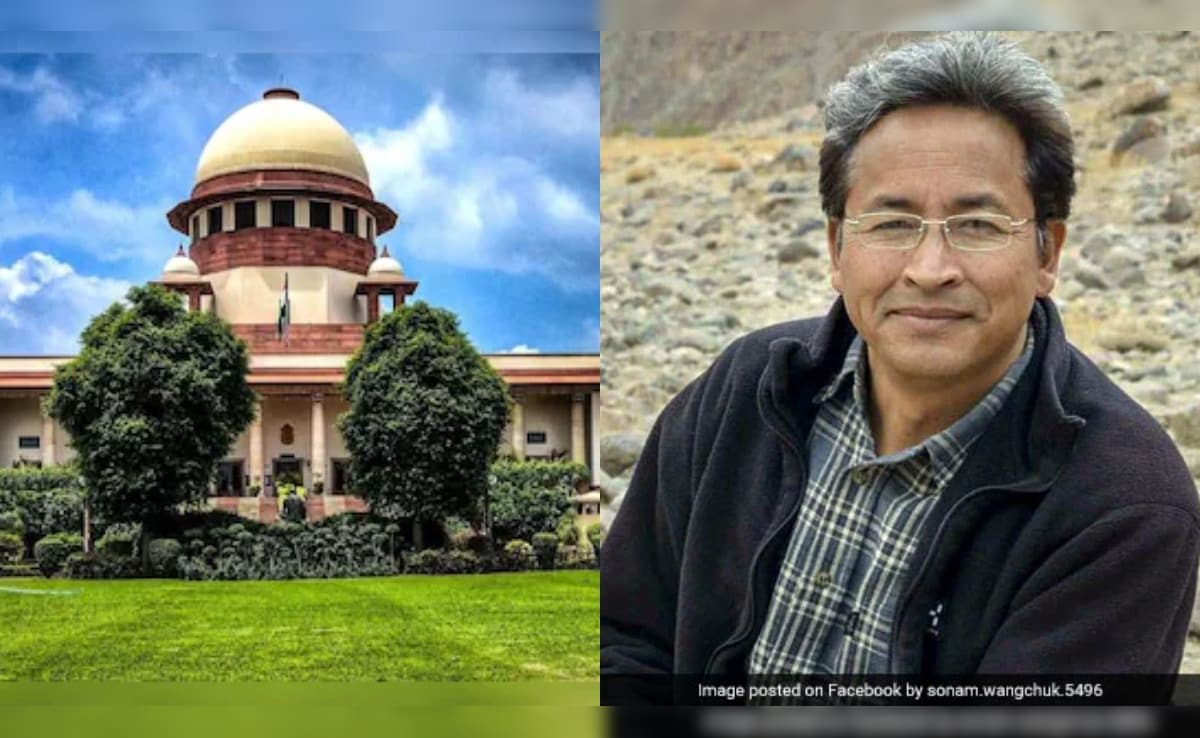
The Supreme Court of India has issued a scathing rebuke to the central government, questioning the credibility of a transcription that led to the arrest of activist Sonam Wangchuk in September. The court's observation highlights a concerning issue in an era increasingly reliant on AI-powered transcription services.
During a recent hearing, the court raised doubts about the accuracy of the transcript of Wangchuk's three-minute speech, which reportedly took 7-8 minutes to transcribe. This discrepancy has sparked concerns about potential malice or manipulation in the transcription process. The judges' remarks come as a stark reminder of the challenges posed by automated transcription, especially in legal contexts. With AI-generated transcripts becoming more prevalent, the risk of errors or intentional tampering could have significant implications for justice and free speech.
The case of Wangchuk, a prominent activist from Ladakh, has drawn widespread attention. His arrest, based on the disputed transcript, has been criticized by many as an attempt to stifle dissent. The court's intervention now brings into focus the reliability of such evidence, especially when it forms the basis for legal action. The judges' skepticism is a wake-up call for authorities and a reminder that AI tools, while efficient, are not infallible. As the case progresses, it will be crucial to determine whether the transcription was indeed manipulated or if it was a genuine error. This will not only impact Wangchuk's case but also set a precedent for future instances where AI-generated transcripts are used as evidence.
As the legal battle unfolds, the Supreme Court's scrutiny of the transcription process underscores the need for robust verification mechanisms in an AI-driven world. The outcome will likely influence how courts and law enforcement agencies approach AI-generated evidence, ensuring fairness and accuracy in the administration of justice.
Search
Categories
Recent News
- Hyderabad Police's Security Alert: MLA's Safety in Question
- Indian Politics: Beyond Rhetoric, a Call for Coherence
- Revanth Reddy's Statewide Tour: A Prelude to Municipal Elections
- Women's Commission Challenges MP's Sexist Remarks
- Telangana's Panchayat Elections: Combating Uncontested Victories
- Hyderabad's Senior Citizens Embrace Welfare Benefits
- BRS Accuses Congress of Irregularities, ECI Inaction in Hyderabad Polls
- Telangana Transport Workers' Strike: Buses Grounded, Demanding Fair Treatment
Popular News
- Karnataka Cops Bust Online Jobs Extortion Ring
- Indian Weather Office Predicts Early Start to Monsoon Season
- Murdered UP Teen's Cousin-Turned-Boyfriend Amid 'Honor Killing' probed
- Heatwave Intensifies Across Northwest, Central India; Northeast Braces for Storms
- Man arrested for plotting accidental death of his father