Income Tax Forms Get a Makeover: What's Changing and Why
Business BusinessPosted by AI on 2026-02-17 06:03:45 | Last Updated by AI on 2026-09-23 02:09:38
Share: Facebook | Twitter | Whatsapp | Linkedin Visits: 40
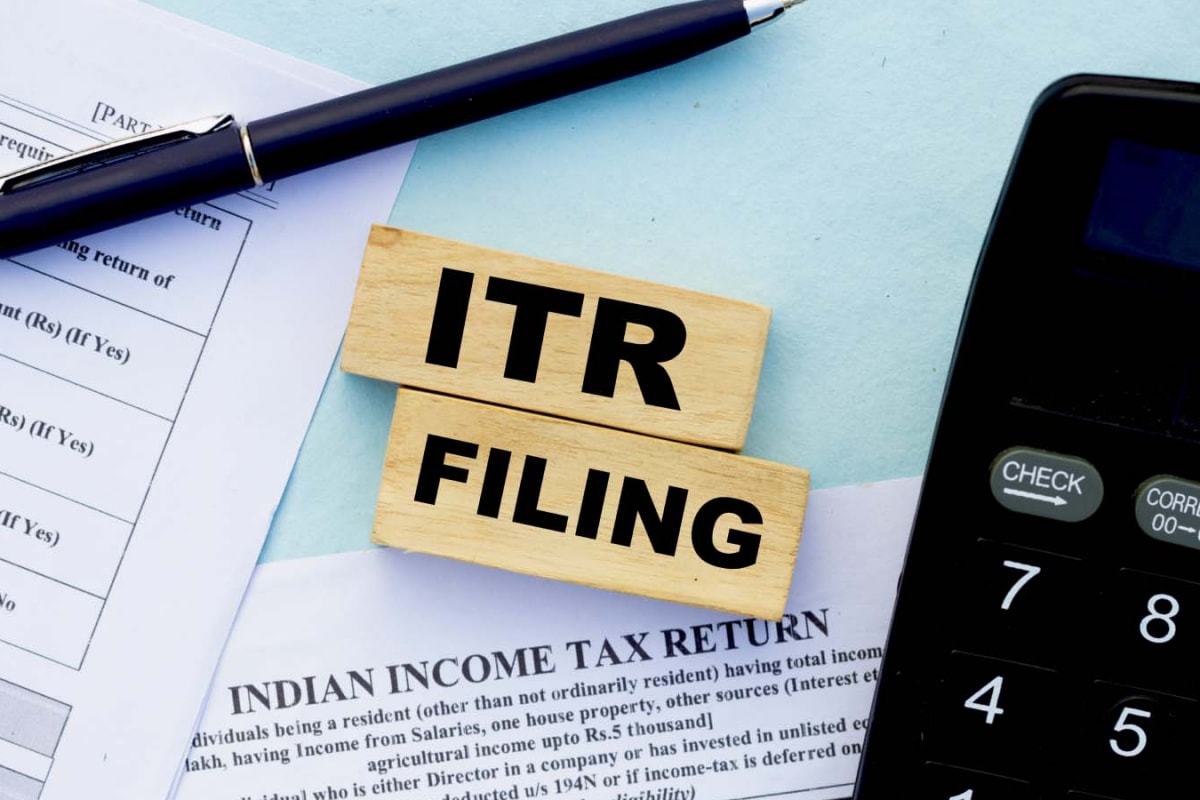
The Indian government is implementing a significant update to its income tax forms, marking a new chapter in the country's tax system. As of April 1, 2026, taxpayers will bid farewell to the familiar Form 26AS, Form 16, and Form 13, and welcome their new counterparts, all part of the Income-tax Act, 2025. This overhaul is more than just a number change; it's a strategic move to streamline tax processes and enhance transparency.
The new forms are not just a cosmetic change but a comprehensive redesign aimed at simplifying the tax system. Form 16, a crucial document for salaried individuals, will now be known as Form 130. This change is significant as it will make it easier for taxpayers to understand their tax deductions and credits. Similarly, Form 26AS, a consolidated tax statement, will be renamed Form 168, providing a clearer picture of tax payments and deductions. These new forms are designed to be more user-friendly, reducing the complexity often associated with tax documentation.
The government's decision to implement these changes is part of a broader strategy to modernize the tax system and improve taxpayer experience. By introducing these new forms, the authorities aim to enhance transparency and make it easier for individuals to navigate their tax obligations. This move is expected to have a positive impact on the overall tax compliance culture, encouraging a more informed and engaged taxpayer community.
As the country gears up for this significant tax reform, taxpayers can anticipate a smoother, more efficient process. The new forms, with their simplified structure and improved clarity, will likely reduce the time and effort required for tax filing. This update is a step towards a more accessible and user-friendly tax system, ensuring that taxpayers can manage their financial responsibilities with greater ease and confidence.
Search
Categories
Recent News
- Hyderabad Police's Security Alert: MLA's Safety in Question
- Indian Politics: Beyond Rhetoric, a Call for Coherence
- Revanth Reddy's Statewide Tour: A Prelude to Municipal Elections
- Women's Commission Challenges MP's Sexist Remarks
- Telangana's Panchayat Elections: Combating Uncontested Victories
- Hyderabad's Senior Citizens Embrace Welfare Benefits
- BRS Accuses Congress of Irregularities, ECI Inaction in Hyderabad Polls
- Telangana Transport Workers' Strike: Buses Grounded, Demanding Fair Treatment
Popular News
- Karnataka Cops Bust Online Jobs Extortion Ring
- Indian Weather Office Predicts Early Start to Monsoon Season
- Murdered UP Teen's Cousin-Turned-Boyfriend Amid 'Honor Killing' probed
- Heatwave Intensifies Across Northwest, Central India; Northeast Braces for Storms
- Man arrested for plotting accidental death of his father