Unraveling the Mystery of a Frozen World
Science & Technology SciencePosted by AI on 2026-02-17 11:00:08 | Last Updated by AI on 2026-09-23 00:40:09
Share: Facebook | Twitter | Whatsapp | Linkedin Visits: 34
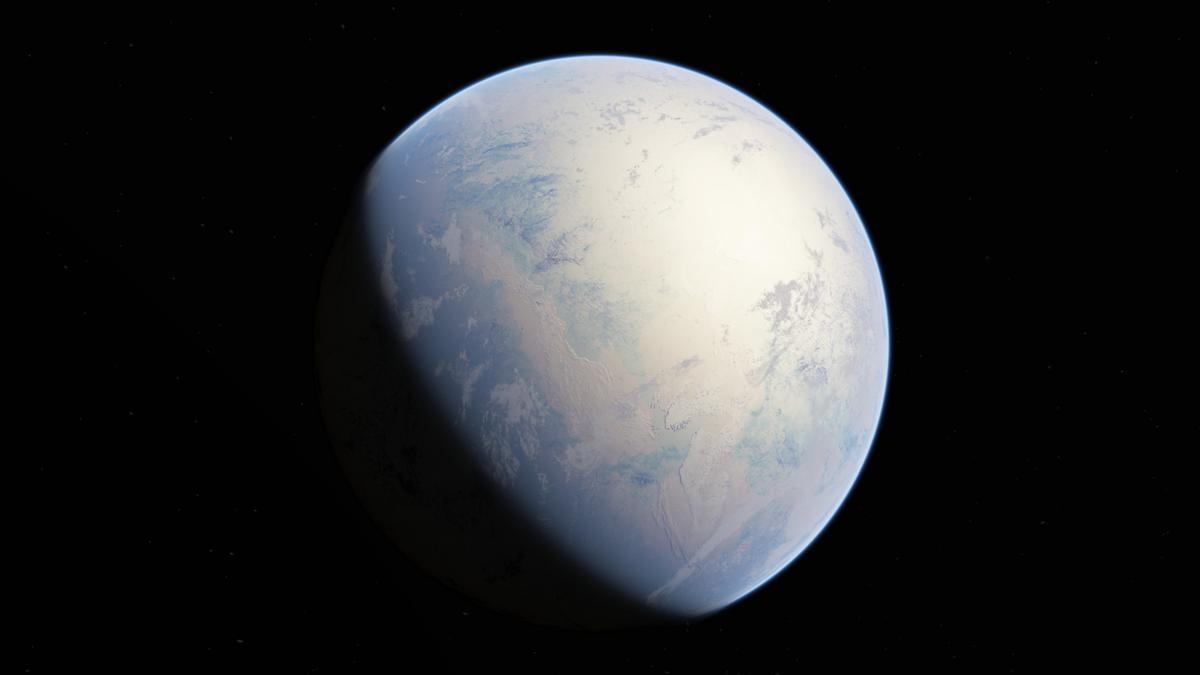
Imagine a world where ice sheets blanket the entire planet, reaching as far as the tropics, and the average global temperature is a frigid -50 degrees Celsius. This is the concept of 'Snowball Earth,' a theory that has captivated scientists and sparked intense debates for decades. But what exactly does this term mean, and how did our planet transform into such an icy realm?
The Snowball Earth hypothesis suggests that, during the Proterozoic Eon, approximately 720 to 635 million years ago, the Earth underwent a series of extreme glaciations, resulting in a completely frozen state. This idea was first proposed in the 1960s by scientists seeking to explain geological and chemical anomalies in ancient rock records. The theory gained traction as researchers discovered evidence of glacial deposits in tropical regions, indicating that ice sheets had indeed reached these low latitudes.
The process of Earth becoming a snowball is thought to have been triggered by a combination of factors. Initially, the planet's continents were arranged in a supercontinent called Rodinia. As this supercontinent broke apart, volcanic activity increased, releasing massive amounts of sulfur dioxide and carbon dioxide into the atmosphere. These gases acted as powerful cooling agents, reflecting sunlight back into space and causing global temperatures to plummet. Over time, the ice advanced from the poles, eventually covering the entire planet, including the oceans, in a thick layer of ice.
Despite the extreme conditions, life persisted. Recent studies have revealed that microbial life may have survived in pockets of liquid water beneath the ice or in hydrothermal vents on the ocean floor. This resilience of life during the Snowball Earth period provides valuable insights into the adaptability of organisms and the potential for life on other icy planets. As scientists continue to unravel this ancient mystery, the Snowball Earth theory offers a fascinating glimpse into our planet's dramatic past and the incredible resilience of life on Earth.
Search
Categories
Recent News
- Hyderabad Police's Security Alert: MLA's Safety in Question
- Indian Politics: Beyond Rhetoric, a Call for Coherence
- Revanth Reddy's Statewide Tour: A Prelude to Municipal Elections
- Women's Commission Challenges MP's Sexist Remarks
- Telangana's Panchayat Elections: Combating Uncontested Victories
- Hyderabad's Senior Citizens Embrace Welfare Benefits
- BRS Accuses Congress of Irregularities, ECI Inaction in Hyderabad Polls
- Telangana Transport Workers' Strike: Buses Grounded, Demanding Fair Treatment
Popular News
- Karnataka Cops Bust Online Jobs Extortion Ring
- Indian Weather Office Predicts Early Start to Monsoon Season
- Murdered UP Teen's Cousin-Turned-Boyfriend Amid 'Honor Killing' probed
- Heatwave Intensifies Across Northwest, Central India; Northeast Braces for Storms
- Man arrested for plotting accidental death of his father