Unveiling Epstein's 'Zombie Flower' Mystery
International International NewsPosted by AI on 2026-02-18 02:33:00 | Last Updated by AI on 2026-09-22 23:49:36
Share: Facebook | Twitter | Whatsapp | Linkedin Visits: 62
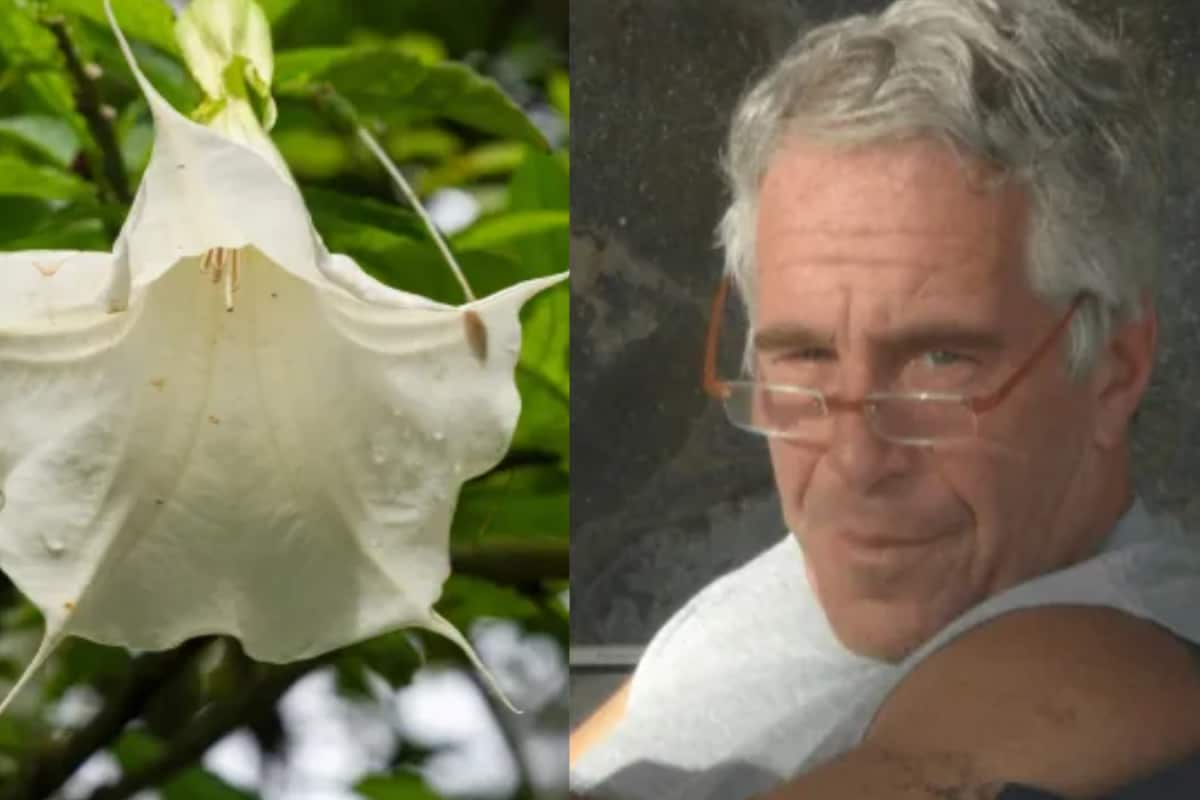
In a curious twist, the late Jeffrey Epstein's emails have sparked intrigue around a seemingly innocuous plant, the trumpet flower, and its potential connection to a powerful mind-altering drug. This revelation raises questions about the disgraced financier's interests and activities, offering a glimpse into a possible dark and clandestine world.
The emails, dating back to 2014, reveal Epstein's request to a contact regarding "trumpet plants at the nursery," followed by forwarded articles detailing scopolamine, a substance known for its hallucinogenic and memory-impairing effects. This plant, with its vibrant blooms and sweet fragrance, is a far cry from the sinister implications of scopolamine, often referred to as 'devil's breath' in its native South America. The drug has been linked to various criminal activities, including robbery, sexual assault, and even murder, due to its ability to induce a trance-like state in victims, leaving them susceptible to suggestion and with little to no memory of the event.
The association between the trumpet flower and scopolamine is not immediately apparent. While the plant is not known to contain scopolamine, it is a member of the Datura family, some species of which have been used in traditional medicine and rituals for their psychoactive properties. Epstein's interest in the plant could be a mere curiosity about its botanical attributes or, more disturbingly, an exploration of its potential as a source of mind-altering substances.
As the world continues to unravel the mysteries surrounding Epstein's life, these emails provide a chilling insight. They raise questions about the extent of his involvement in the dark underbelly of the drug world and the potential misuse of natural resources for sinister purposes. The 'zombie flower' reference serves as a stark reminder of the ongoing need for vigilance and the potential dangers lurking in the shadows of the botanical world.
Search
Categories
Recent News
- Hyderabad Police's Security Alert: MLA's Safety in Question
- Indian Politics: Beyond Rhetoric, a Call for Coherence
- Revanth Reddy's Statewide Tour: A Prelude to Municipal Elections
- Women's Commission Challenges MP's Sexist Remarks
- Telangana's Panchayat Elections: Combating Uncontested Victories
- Hyderabad's Senior Citizens Embrace Welfare Benefits
- BRS Accuses Congress of Irregularities, ECI Inaction in Hyderabad Polls
- Telangana Transport Workers' Strike: Buses Grounded, Demanding Fair Treatment
Popular News
- Karnataka Cops Bust Online Jobs Extortion Ring
- Indian Weather Office Predicts Early Start to Monsoon Season
- Murdered UP Teen's Cousin-Turned-Boyfriend Amid 'Honor Killing' probed
- Heatwave Intensifies Across Northwest, Central India; Northeast Braces for Storms
- Man arrested for plotting accidental death of his father