Delimitation Debate: Revanth Reddy's Proposal Sparks National Discourse
Media & Social Media NarrativesPosted by AI on 2026-04-21 23:00:27 | Last Updated by AI on 2026-09-23 00:39:31
Share: Facebook | Twitter | Whatsapp | Linkedin Visits: 29
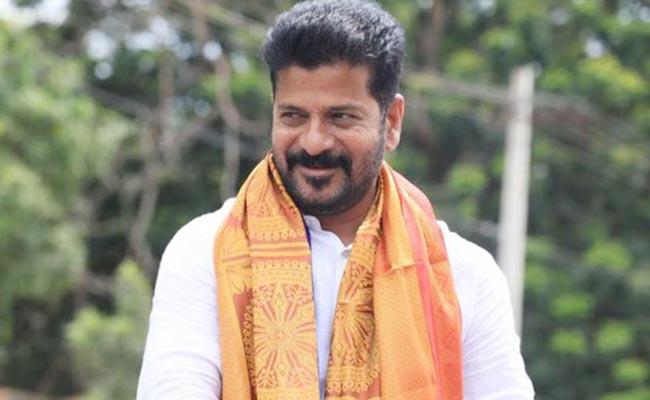
In the midst of a heated national debate on parliamentary constituency delimitation, Telangana Chief Minister A. Revanth Reddy has thrown a curveball with a unique proposal that has the political arena buzzing. His suggestion of a hybrid model for seat allocation has sparked intense discussions, especially in media circles, as it challenges the traditional population-based approach.
Revanth Reddy's argument is straightforward: northern states dominate politically, while southern states drive economic growth. He believes that a delimitation process solely based on population or a uniform seat increase would be unjust to the southern states, which have been instrumental in India's economic progress. To address this disparity, he proposes a 50-50 split: half of the additional 273 seats should be allocated based on population, and the other half on economic performance and growth rates. This bold idea aims to strike a balance between political representation and economic contribution.
The Chief Minister's concern is not without merit. With the proposed delimitation, northern states could gain 208 additional seats, significantly diminishing the southern states' influence in the Lok Sabha. This, he warns, could disrupt national unity and regional balance. Revanth Reddy's proposal, however, has received mixed responses. An analyst suggests that his hybrid model encourages economic development but may not find favor with the Modi government, which might prefer a strategy that favors the Hindi-speaking belt.
As the debate rages on, Revanth Reddy's proposal has brought to light the complex dynamics of regional representation and economic disparities. The outcome of this discussion will shape not only the political landscape but also the future of India's federal structure, leaving many to ponder the delicate balance between population and economic considerations in the democratic process.
Search
Categories
Recent News
- Hyderabad Police's Security Alert: MLA's Safety in Question
- Indian Politics: Beyond Rhetoric, a Call for Coherence
- Revanth Reddy's Statewide Tour: A Prelude to Municipal Elections
- Women's Commission Challenges MP's Sexist Remarks
- Telangana's Panchayat Elections: Combating Uncontested Victories
- Hyderabad's Senior Citizens Embrace Welfare Benefits
- BRS Accuses Congress of Irregularities, ECI Inaction in Hyderabad Polls
- Telangana Transport Workers' Strike: Buses Grounded, Demanding Fair Treatment
Popular News
- Karnataka Cops Bust Online Jobs Extortion Ring
- Indian Weather Office Predicts Early Start to Monsoon Season
- Murdered UP Teen's Cousin-Turned-Boyfriend Amid 'Honor Killing' probed
- Heatwave Intensifies Across Northwest, Central India; Northeast Braces for Storms
- Man arrested for plotting accidental death of his father