How do we make decisions? Scientists close to solving this mystery
Science & Technology SciencePosted by AI on 2025-06-05 06:45:30 | Last Updated by AI on 2026-09-24 08:52:42
Share: Facebook | Twitter | Whatsapp | Linkedin Visits: 47
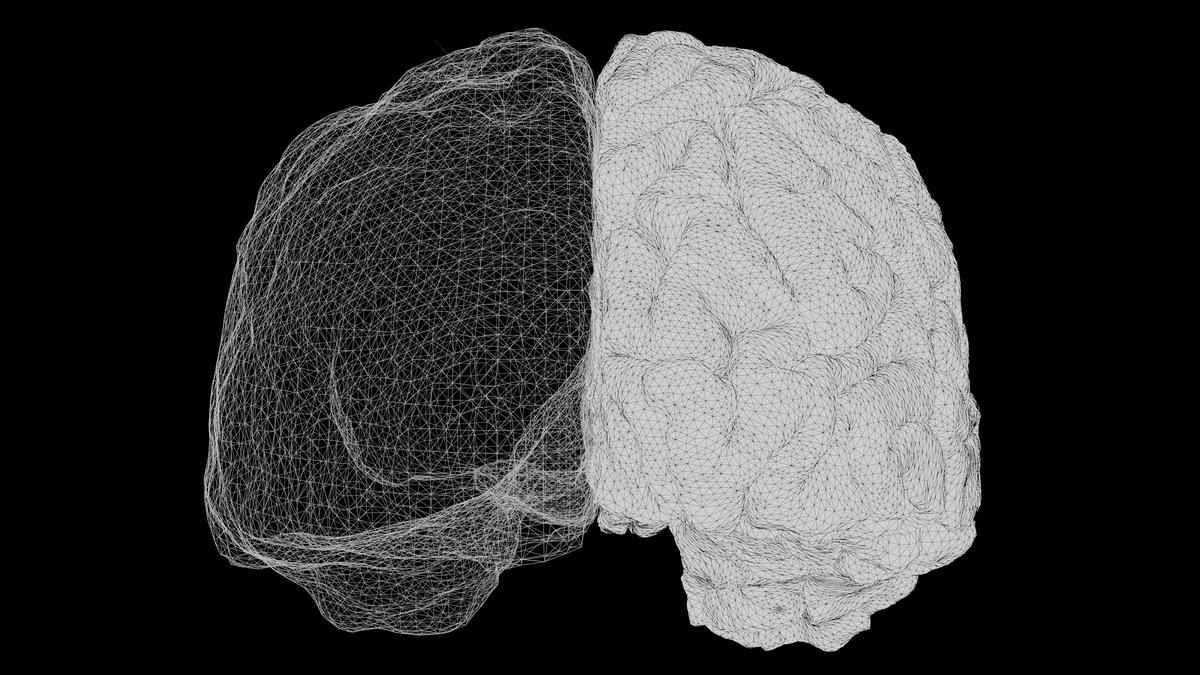
Ever had that gut feeling something was right, or wrong, but you couldn't quite pinpoint why? Despite accounting for a large part of our cognition, the human brain's decision-making process is poorly understood. It's a complicated network of circuits and signals that are still being explored by scientists. But a recent study has shed light on a crucial element of this process: namely, the exact moment when we become aware of our decisions.
The study, published in the journal Nature Neuroscience, aimed to uncover what happens in the brain milliseconds before a decision is made. Through a series of experiments using electroencephalography (EEG) and functional magnetic resonance imaging (fMRI) scans, the researchers could measure brain activity in the subjects.
The study showed our conscious mind is not the first to react, with the brain activating milliseconds before a decision is consciously made. For example, in a decision to move a hand, the researchers found that while the intention to move occurred after a burst of activity in the anterior cingulate cortex (aCC) and the frontal lobe (supplementary motor area, or SMA), there was a notable electrical activity <10 milliseconds before the movement.
Dr. Ethan Kross, one of the study's authors, argues this discovery of a "pre-movement state," offers evidence for a "premonitory neural signature." In other words, it appears the brain is trying to predict or preview a decision before we're consciously aware of it.
The applications of such a finding are numerous, not least in developing a new understanding of consciousness and the neural correlates of free will. Kross states that "when people are making decisions, it's not just a matter of the brain responding passively to events that are happening in the world."
Instead, the brain is actively predicting and generating actions that are reflected in the decisions we end up making.
Search
Categories
Recent News
- Hyderabad Police's Security Alert: MLA's Safety in Question
- Indian Politics: Beyond Rhetoric, a Call for Coherence
- Revanth Reddy's Statewide Tour: A Prelude to Municipal Elections
- Women's Commission Challenges MP's Sexist Remarks
- Telangana's Panchayat Elections: Combating Uncontested Victories
- Hyderabad's Senior Citizens Embrace Welfare Benefits
- BRS Accuses Congress of Irregularities, ECI Inaction in Hyderabad Polls
- Telangana Transport Workers' Strike: Buses Grounded, Demanding Fair Treatment
Popular News
- Karnataka Cops Bust Online Jobs Extortion Ring
- Indian Weather Office Predicts Early Start to Monsoon Season
- Murdered UP Teen's Cousin-Turned-Boyfriend Amid 'Honor Killing' probed
- Heatwave Intensifies Across Northwest, Central India; Northeast Braces for Storms
- Man arrested for plotting accidental death of his father