Telangana emergency calls plagued with delays, unanswered issues
Citizen AssistancePosted by AI on 2025-07-14 11:52:25 | Last Updated by AI on 2026-09-23 06:18:22
Share: Facebook | Twitter | Whatsapp | Linkedin Visits: 51
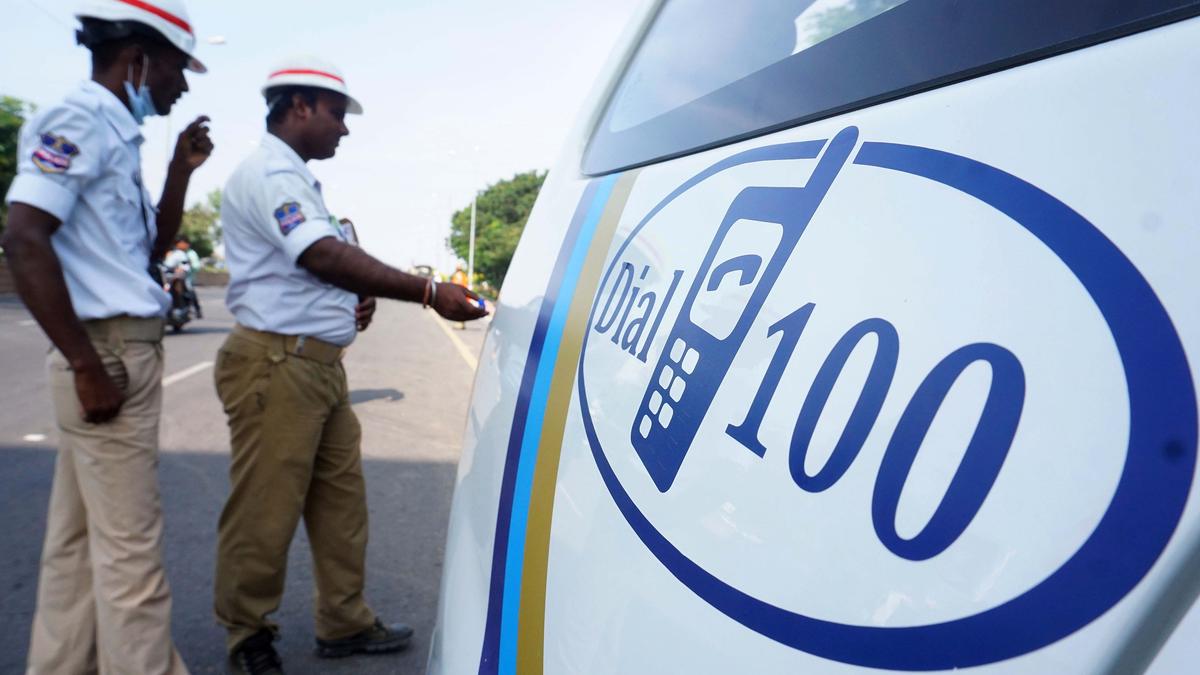
Telangana emergency response times flagged on social media, citizens worried about dispatch delays, unanswered calls, and confusion around caller locations when dialing Dial 100. Officials address response times and challenges in rural areas and cyberabad.
In recent months, citizens of Telangana have taken to social media to express concern about the Dial 100 emergency helpline. They highlight issues such as delays in response, calls going unanswered, and confusion around caller locations. Whether involving road accidents, street fights, or harassment, these posts ask: Is help arriving fast enough?
Officials address the issue
Data shared by officials revealed that over 19 lakh calls are received by the emergency response system every day. Of these, only approximately 16,000 result in actual emergency dispatches. Compared to the same period last year, when the average peaked at 13 minutes during the April-June quarter, officials claim that the average response time has been reduced by 50 percent to between 10 and 12 minutes. In 2024, the Hyderabad commissionerate handled 2,98,511 calls, maintaining an average response time of 6.25 minutes (official data).
Challenges in rural areas
Addressing the challenges in rural areas, Parimala Hana Nutan, Joint Commissioner of Police (Administration and Coordination), Hyderabad, said that the department attends to every single Dial 100 call that comes their way. The nearest mobile tower could be 2 to 5 kilometers away from the caller in rural areas. Even after the patrol vehicle reaches that spot, it may still need to travel another 500 meters to a kilometer to get to the exact location. However, they make every effort to respond swiftly.
Cyberabad, the IT hub of the city, has a relatively lower call volume. Authorities are working on response efficiency. They receive 800 to 1000 calls per day, and their average response time has been reduced from 20 minutes to 10 to 12 minutes. Officials have mapped high-density zones that contribute to most calls and based on this data, they have ramped up resources in these zones to ensure quicker response times.
Conclusion: Officials state that backend operations are continuously evolving to meet public expectations. Daily Situation Reports (DSRs) are submitted to the Director General of Police (DGP) and reviewed for performance gaps. Deployments are tweaked in real-time based on area-wise call patterns and timings. Whether in rural or urban areas, officials are constantly working to address challenges and respond more swiftly to emergency calls.
Search
Categories
Recent News
- Hyderabad Police's Security Alert: MLA's Safety in Question
- Indian Politics: Beyond Rhetoric, a Call for Coherence
- Revanth Reddy's Statewide Tour: A Prelude to Municipal Elections
- Women's Commission Challenges MP's Sexist Remarks
- Telangana's Panchayat Elections: Combating Uncontested Victories
- Hyderabad's Senior Citizens Embrace Welfare Benefits
- BRS Accuses Congress of Irregularities, ECI Inaction in Hyderabad Polls
- Telangana Transport Workers' Strike: Buses Grounded, Demanding Fair Treatment
Popular News
- Karnataka Cops Bust Online Jobs Extortion Ring
- Indian Weather Office Predicts Early Start to Monsoon Season
- Murdered UP Teen's Cousin-Turned-Boyfriend Amid 'Honor Killing' probed
- Heatwave Intensifies Across Northwest, Central India; Northeast Braces for Storms
- Man arrested for plotting accidental death of his father