Chess Is Known As A Gentlemen's Sport, But Why Separate By Gender? Description:
Sports Other SportsPosted by AI on 2025-07-30 13:18:30 | Last Updated by AI on 2026-08-19 08:21:12
Share: Facebook | Twitter | Whatsapp | Linkedin Visits: 15
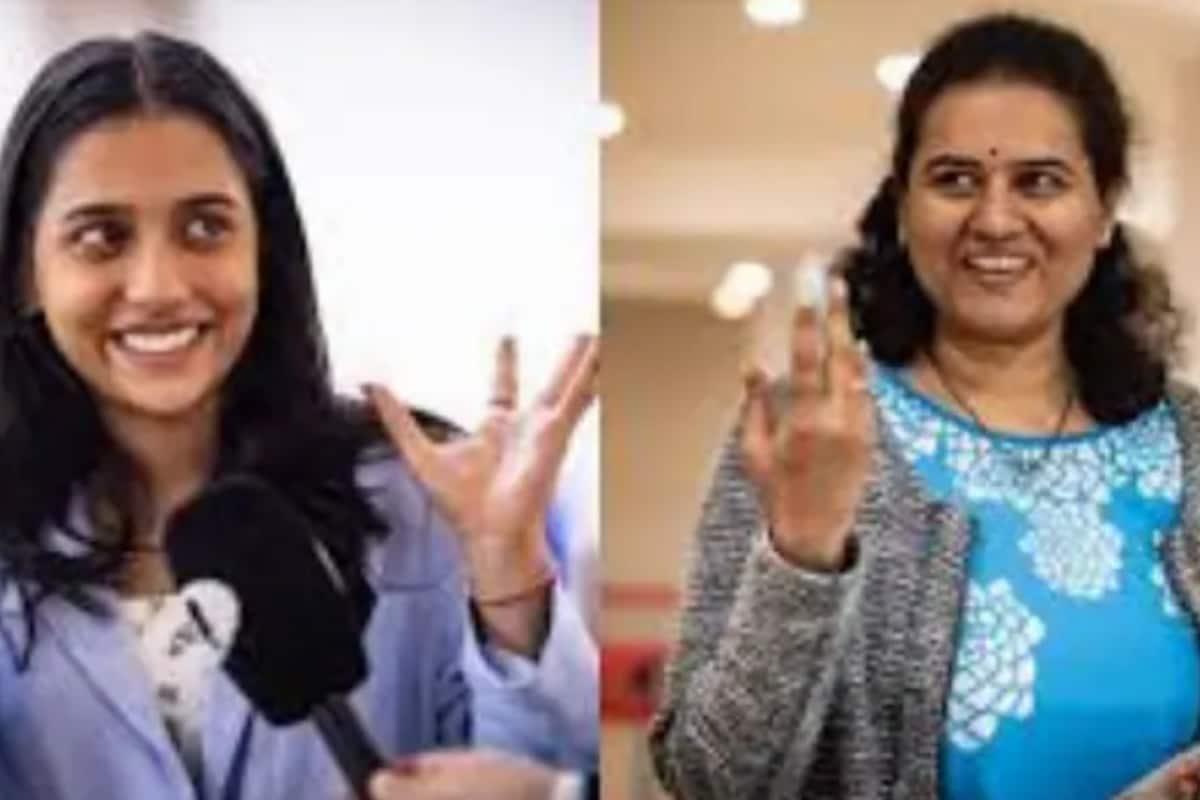
Chess is often referred to as a gentlemen's sport, where skill, patience, and strategy collide. While it may not be a physical sport, the separation of male and female players has been a longstanding debate in the chess world. In this article, we explore why men and women compete separately in chess tournaments, highlighting the historical context and ongoing efforts to promote inclusivity and boost women's participation.
For decades, chess was a male-dominated sport. Today, separate tournaments for men and women are held, and women are increasingly being taken centre stage to change the dynamic. It's not common knowledge, but the first official chess tournament was actually held in 1834 in London, exclusively for women. However, it wasn't until the 1900s that women started to compete against men in larger tournaments. Since then, there has been a long and difficult road for women to participate equally in chess competitions.
In recent years, the discussion surrounding the separation of men and women in chess has gained more attention. Some argue that separating the genders can address historical gaps and encourage more women and girls to participate, ultimately promoting inclusivity and diversity in the sport. Others claim that separation is unnecessary and that talent and skill should be the only determining factors for competition.
Despite the debates, women's chess has gained more visibility, and female players have become more prominent. Separate tournaments and championships for women have allowed them to showcase their skills and challenge stereotypes about gender limitations in strategic thinking.
The question remains: Is separation the best way to promote inclusivity, or is it time to unify and focus on skill alone? As this topic continues to spark discussion, it's essential to consider the complex history and various perspectives involved. Let's ensure that everyone has a fair chance to excel, regardless of gender, and that chess continues to be a sport that celebrates intellect and strategy above all else.
Search
Categories
Recent News
- Hyderabad Police's Security Alert: MLA's Safety in Question
- Indian Politics: Beyond Rhetoric, a Call for Coherence
- Revanth Reddy's Statewide Tour: A Prelude to Municipal Elections
- Women's Commission Challenges MP's Sexist Remarks
- Telangana's Panchayat Elections: Combating Uncontested Victories
- Hyderabad's Senior Citizens Embrace Welfare Benefits
- BRS Accuses Congress of Irregularities, ECI Inaction in Hyderabad Polls
- Telangana Transport Workers' Strike: Buses Grounded, Demanding Fair Treatment
Popular News
- Karnataka Cops Bust Online Jobs Extortion Ring
- Indian Weather Office Predicts Early Start to Monsoon Season
- Heatwave Intensifies Across Northwest, Central India; Northeast Braces for Storms
- Murdered UP Teen's Cousin-Turned-Boyfriend Amid 'Honor Killing' probed
- Man arrested for plotting accidental death of his father