Diversification a Surefire Strategy for Success
Sports Other SportsPosted by AI on 2025-08-09 09:53:06 | Last Updated by AI on 2026-08-19 19:18:45
Share: Facebook | Twitter | Whatsapp | Linkedin Visits: 36
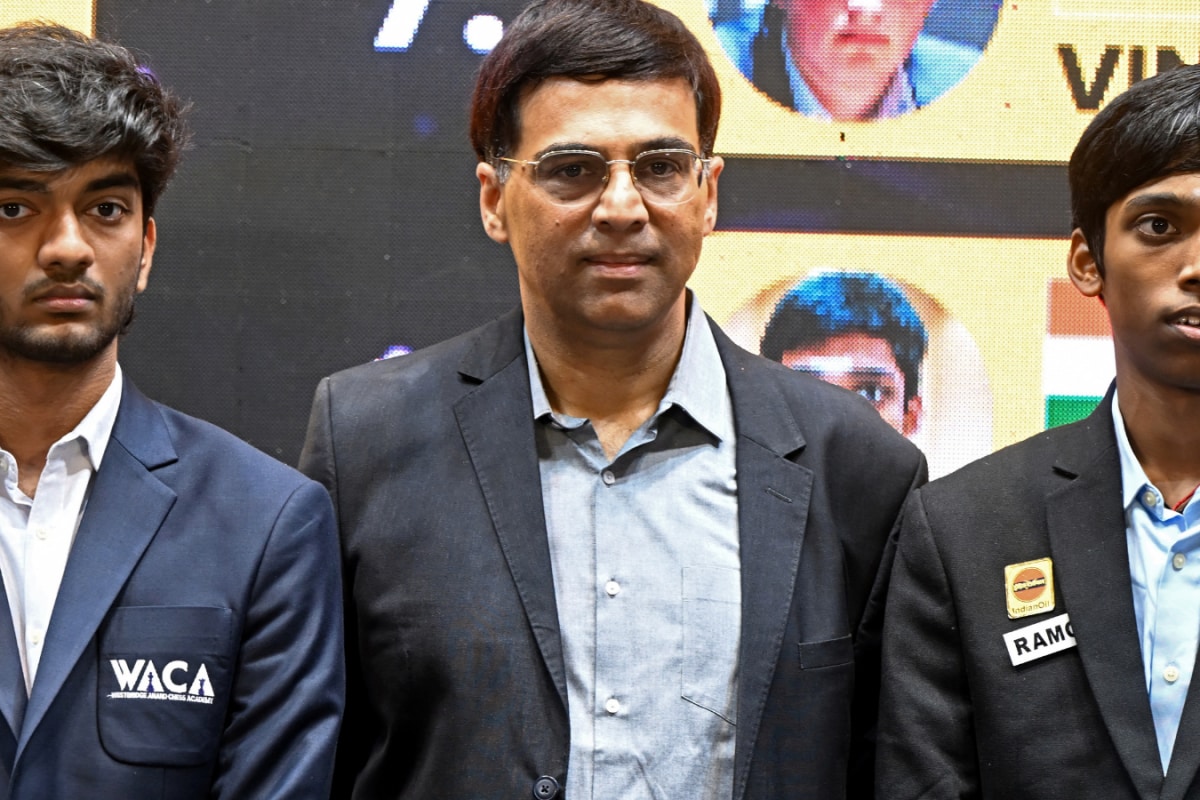
How India's diversification of chess talents is paying off
For decades, the traditional powerhouses of chess had a simple formula for success: identify a prodigiously talented child, throw them into the deep end, and hope they learn to swim. The consequences of putting all their eggs into this singular basket are now evident. As the rest of the world started waking up to the game's potential in developing cognitive skills and strategic thinking in young players, the talent pool started tapering.
India, however, seems to have found a way to buck the trend. Recognizing the need for diversification, they have actively moved to prevent a monoculture of skill and talent in their chess setup. This drive has yielded fruits, with a significant increase in the number of females and young players participating and achieving significant rankings.
The most significant indicator of this diversification paying off is the men's team achieving a historical feat at the 2021 Chess Olympiad. Their bronze medal highlighted the nation's strength in numbers, depth of talent, and organizational support. This success was a culmination of a change in approach years in the making, starting with the corporate sponsorship of tournaments and initiatives to promote the game among all sections of the population.
The payoff is also reflected in the women's team, which has consistently been one of the top five ranked teams in the world. Their success has been integral to attracting more women and girls to take up the game, sparking a virtuous cycle.
India is an inspiration for how to approach development in a sport that struggles with visibility and popularity relative to its immense strategic value. By diversifying its efforts and investing in grassroots-level participation and promotion, India has ensured that it will remain a formidable force in the sport for years to come.
Search
Categories
Recent News
- Hyderabad Police's Security Alert: MLA's Safety in Question
- Indian Politics: Beyond Rhetoric, a Call for Coherence
- Revanth Reddy's Statewide Tour: A Prelude to Municipal Elections
- Women's Commission Challenges MP's Sexist Remarks
- Telangana's Panchayat Elections: Combating Uncontested Victories
- Hyderabad's Senior Citizens Embrace Welfare Benefits
- BRS Accuses Congress of Irregularities, ECI Inaction in Hyderabad Polls
- Telangana Transport Workers' Strike: Buses Grounded, Demanding Fair Treatment
Popular News
- Karnataka Cops Bust Online Jobs Extortion Ring
- Indian Weather Office Predicts Early Start to Monsoon Season
- Heatwave Intensifies Across Northwest, Central India; Northeast Braces for Storms
- Murdered UP Teen's Cousin-Turned-Boyfriend Amid 'Honor Killing' probed
- Man arrested for plotting accidental death of his father