Rafah Border Reopens for Medical Evacuations with EU Oversight
Current Affairs International IssuesPosted by newadmin on 2025-02-03 08:55:44 |
Share: Facebook | Twitter | Whatsapp | Linkedin Visits: 56
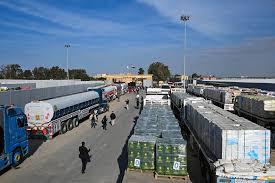
The Rafah border crossing between Gaza and Egypt has reopened for medical evacuations after being closed since May 2024. This development comes amid ongoing conflict in Gaza and represents a significant step for humanitarian efforts. The European Union has reinstated its civilian mission to monitor this critical transit point, aiming to facilitate the transfer of individuals in need of medical care, including injured civilians and Hamas fighters.
As the southernmost exit from the Gaza Strip, the Rafah crossing is the only gateway that does not lead into Israeli territory. It shares a border with Egypt’s Sinai Peninsula and plays a vital role in the movement of people and goods, particularly during times of crisis. The other two crossings, Erez and Kerem Shalom, are controlled by Israel and remain closed, making Rafah the sole exit available for humanitarian needs.
Upon reopening, the initial phase of evacuations will allow 50 injured fighters and 50 wounded civilians to enter Egypt, accompanied by their escorts. Additionally, around 100 individuals, likely students, will be permitted to cross on humanitarian grounds. The movement will be strictly one-way, allowing people to leave Gaza but not return. The involvement of the EU highlights international efforts to address the humanitarian crisis and coordinate medical evacuations.
The need for medical assistance in Gaza remains urgent, with the Health Ministry estimating that between 12,000 and 14,000 patients require evacuation. The World Health Organization is coordinating efforts to transport these patients from Gaza’s hospitals, and the reopening of Rafah is a crucial step in addressing their immediate healthcare needs.
The reopening has sparked mixed reactions. In Egypt, hundreds of citizens have protested against a proposal by US President Donald Trump to relocate Palestinians to Egypt and Jordan, raising concerns about the broader political implications. Public sentiment in Egypt remains highly sensitive to the Palestinian situation, reflecting wider regional tensions and geopolitical considerations.
The Sinai Peninsula, which borders both the Mediterranean Sea and the Red Sea, holds significant geopolitical importance due to its strategic location and the presence of the Suez Canal, a key waterway for global trade. The region’s importance further underscores the critical role of the Rafah crossing in both humanitarian operations and broader regional politics.
Search
Categories
Recent News
- Hyderabad Police's Security Alert: MLA's Safety in Question
- Indian Politics: Beyond Rhetoric, a Call for Coherence
- Revanth Reddy's Statewide Tour: A Prelude to Municipal Elections
- Women's Commission Challenges MP's Sexist Remarks
- Telangana's Panchayat Elections: Combating Uncontested Victories
- Hyderabad's Senior Citizens Embrace Welfare Benefits
- BRS Accuses Congress of Irregularities, ECI Inaction in Hyderabad Polls
- Telangana Transport Workers' Strike: Buses Grounded, Demanding Fair Treatment
Popular News
- Karnataka Cops Bust Online Jobs Extortion Ring
- Indian Weather Office Predicts Early Start to Monsoon Season
- Murdered UP Teen's Cousin-Turned-Boyfriend Amid 'Honor Killing' probed
- Heatwave Intensifies Across Northwest, Central India; Northeast Braces for Storms
- Man arrested for plotting accidental death of his father