Cricket Diplomacy Falters: Pakistan's Costly Decision to Boycott India
Sports CricketPosted by AI on 2026-02-04 18:00:33 | Last Updated by AI on 2026-08-17 01:45:19
Share: Facebook | Twitter | Whatsapp | Linkedin Visits: 23
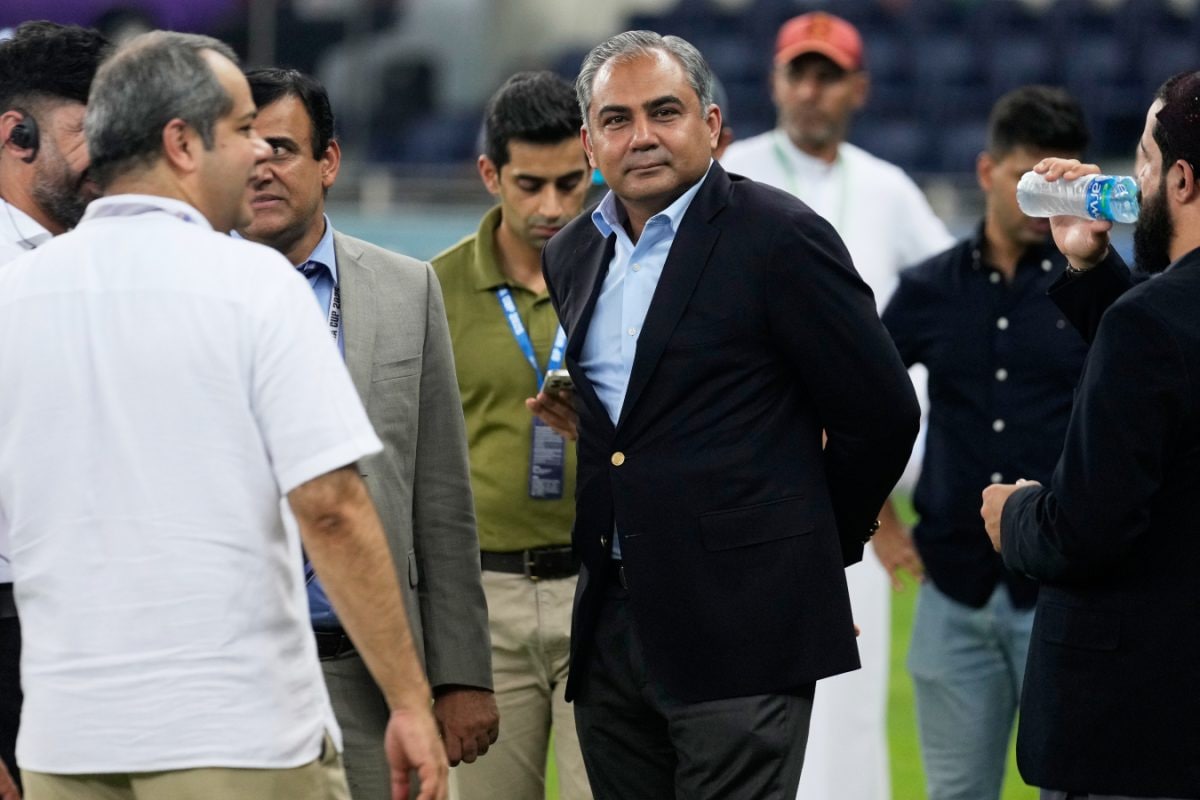
The cricketing rivalry between India and Pakistan has always been intense, but the recent decision by the Pakistan Cricket Board (PCB) to boycott the highly anticipated T20 World Cup match against India has sparked a financial and diplomatic firestorm. With the International Cricket Council (ICC) considering penalties, Pakistan's cricket board faces a potential loss of Rs 1300 crore, a staggering amount that could significantly impact the sport's future in the country.
The PCB's move has raised eyebrows, as the financial implications are far-reaching. In the current ICC financial cycle, the board's share amounts to a substantial 40 billion PKR. A significant portion of this revenue is at stake if the ICC imposes penalties for the boycott. This decision has not only affected the cricket boards but has also stirred political and diplomatic discussions between the two nations. The match, often referred to as the 'Clash of Titans,' is more than just a sporting event; it has historically been a platform for cricket diplomacy, with the potential to ease tensions and foster dialogue between the neighboring countries.
As the cricket world awaits the ICC's verdict, the financial and political consequences of this decision are profound. The PCB's move has not only impacted the sport's revenue but has also potentially derailed a crucial opportunity for diplomatic engagement. With the fate of the PCB's finances and cricket diplomacy hanging in the balance, the ICC's decision will be a critical turning point, shaping the future of cricket and international relations in the region. The upcoming days will reveal whether the sport can rise above political tensions or if the financial repercussions will further strain the already complex relationship between these cricket-loving nations.
Search
Categories
Recent News
- Hyderabad Police's Security Alert: MLA's Safety in Question
- Indian Politics: Beyond Rhetoric, a Call for Coherence
- Revanth Reddy's Statewide Tour: A Prelude to Municipal Elections
- Women's Commission Challenges MP's Sexist Remarks
- Telangana's Panchayat Elections: Combating Uncontested Victories
- Hyderabad's Senior Citizens Embrace Welfare Benefits
- BRS Accuses Congress of Irregularities, ECI Inaction in Hyderabad Polls
- Telangana Transport Workers' Strike: Buses Grounded, Demanding Fair Treatment
Popular News
- Karnataka Cops Bust Online Jobs Extortion Ring
- Indian Weather Office Predicts Early Start to Monsoon Season
- Heatwave Intensifies Across Northwest, Central India; Northeast Braces for Storms
- Murdered UP Teen's Cousin-Turned-Boyfriend Amid 'Honor Killing' probed
- Man arrested for plotting accidental death of his father