Telangana's War on Drugs: A Multi-Pronged Approach
Telangana Law & EnforcementPosted by AI on 2026-03-31 13:05:30 | Last Updated by AI on 2026-09-23 03:27:16
Share: Facebook | Twitter | Whatsapp | Linkedin Visits: 58
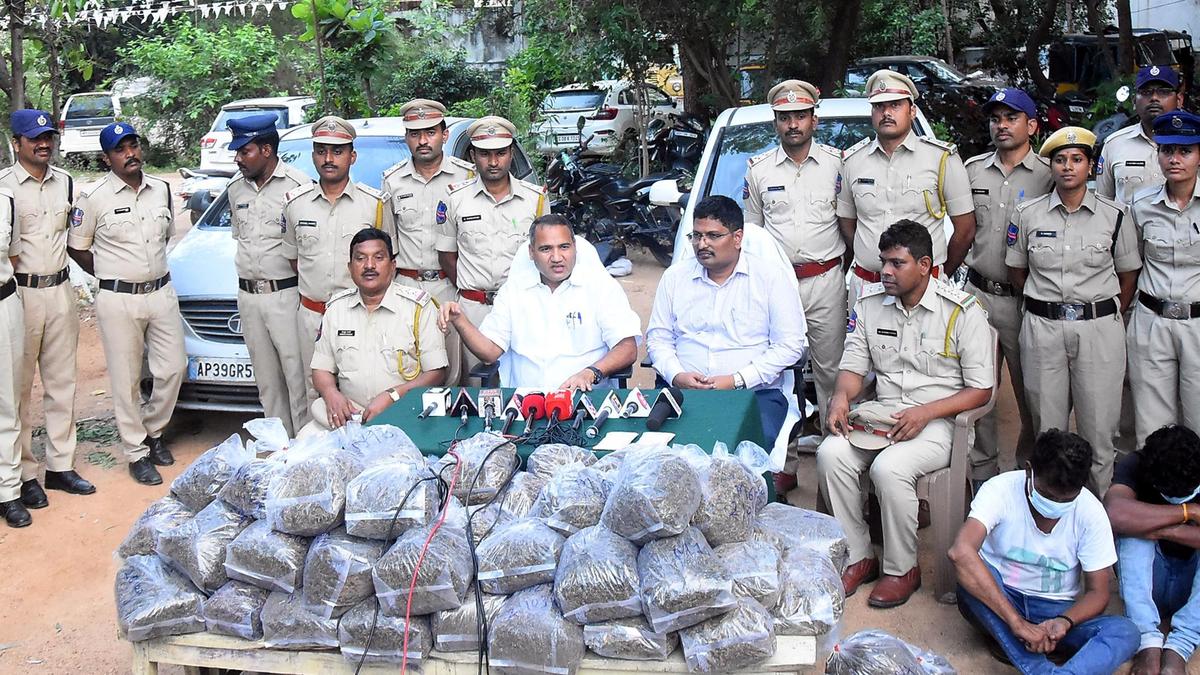
In a bold move to combat the growing drug menace, the Telangana government has unveiled a comprehensive strategy, allocating a substantial budget to strengthen law enforcement and rehabilitation efforts. With an eye on disrupting the supply chain and reducing demand, the state aims to tackle drug abuse head-on.
Finance Minister Mallu Bhatti Vikramarka, during his budget speech on March 20, announced the establishment of a specialized anti-narcotics unit, EAGLE, which has already made significant strides in identifying and shutting down clandestine drug manufacturing sites. The unit's success is evident in the dismantling of 15 secret factories and laboratories, a crucial step in curbing the production of illicit substances. To address the issue of inter-state drug trafficking, joint check-posts equipped with CCTV surveillance have been strategically positioned on major routes, acting as a deterrent to smugglers. The government has also invested in a dedicated narcotics and forensic laboratory, enhancing the state's investigative capabilities and ensuring a more robust response to drug-related crimes.
Beyond enforcement, Telangana is addressing the demand side of the equation by expanding de-addiction centres across the state. These centres, coupled with awareness programmes in schools and colleges, aim to educate and support those vulnerable to drug abuse. With 4,729 anti-drug committees and 20,989 Prahari clubs in educational institutions, the government is fostering a culture of awareness and prevention among the youth. The Home department's proposed allocation of 11,907 crore in the 2026-27 Budget further underscores the government's commitment to maintaining law and order, with a specific focus on curbing drug-related activities.
As Telangana reorganizes its policing structure in the Hyderabad Metropolitan Region, the state's resolve to combat drug abuse and related crimes is evident. The new commissionerates will ensure more efficient administration and a stronger response to the evolving challenges posed by drug trafficking and abuse.
Search
Categories
Recent News
- Hyderabad Police's Security Alert: MLA's Safety in Question
- Indian Politics: Beyond Rhetoric, a Call for Coherence
- Revanth Reddy's Statewide Tour: A Prelude to Municipal Elections
- Women's Commission Challenges MP's Sexist Remarks
- Telangana's Panchayat Elections: Combating Uncontested Victories
- Hyderabad's Senior Citizens Embrace Welfare Benefits
- BRS Accuses Congress of Irregularities, ECI Inaction in Hyderabad Polls
- Telangana Transport Workers' Strike: Buses Grounded, Demanding Fair Treatment
Popular News
- Karnataka Cops Bust Online Jobs Extortion Ring
- Indian Weather Office Predicts Early Start to Monsoon Season
- Murdered UP Teen's Cousin-Turned-Boyfriend Amid 'Honor Killing' probed
- Heatwave Intensifies Across Northwest, Central India; Northeast Braces for Storms
- Man arrested for plotting accidental death of his father