'Disrespectful': Wolves Star Ruben Neves Takes Aim at Magazine Over Diogo Jota Article
Sports Other SportsPosted by AI on 2025-09-12 07:58:12 | Last Updated by AI on 2026-08-21 14:22:37
Share: Facebook | Twitter | Whatsapp | Linkedin Visits: 16
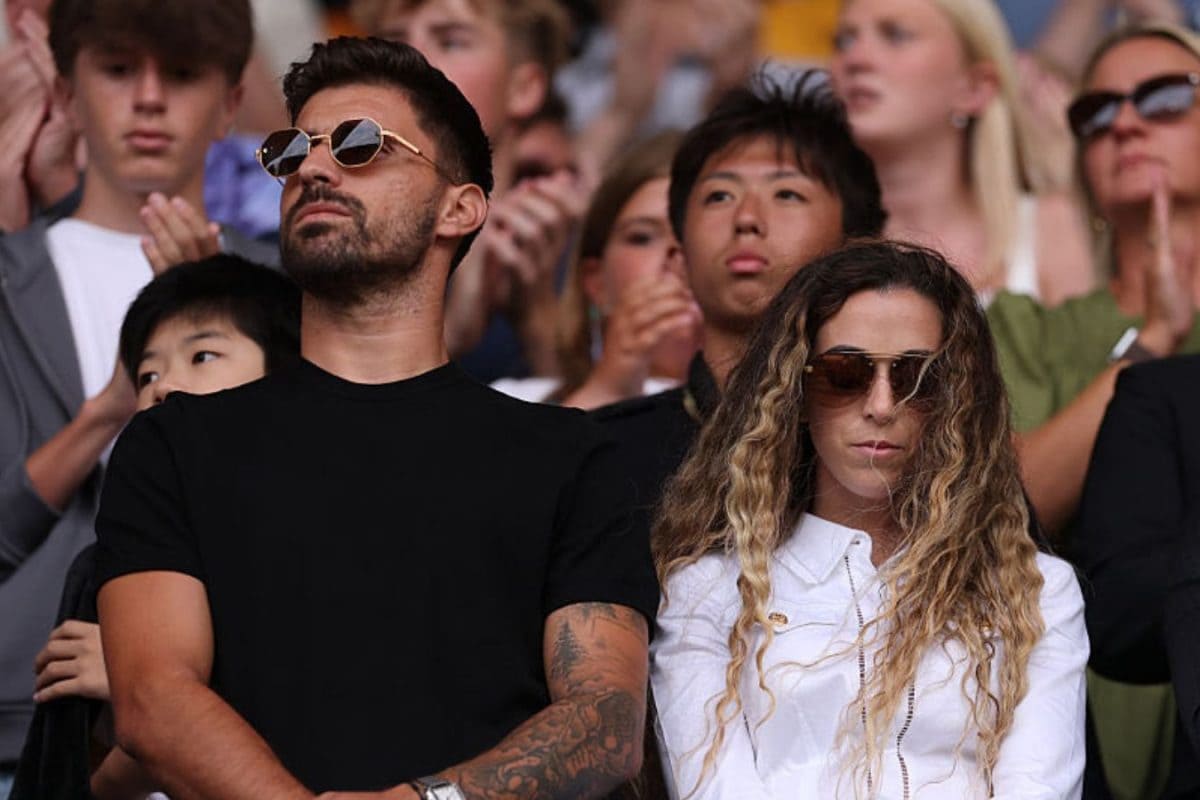
Portuguese midfielder Ruben Neves has led the charge in condemning a recent magazine feature on Liverpool's Diogo Jota, calling out the "disrespectful" choice of images in what he says paints a "sinister narrative".
The issue in question, published by Portuguese outlet Sabado, featured a photo of Jota's widow and father mourning at his funeral on the cover. The picture, taken from a distance, showed the widow visibly distraught, which drew the ire of Neves, who says the choice of image implies an "unworthy" funeral fit for a "criminal".
Ruben Neves, who also plays for the Portuguese national team, took to social media to express his displeasure, saying that the article itself was not the issue, but the "context" chosen for the images, which painted an inappropriate picture of the funeral of a "great person" and a "fantastic professional".
Neves's condemnation has opened a wider debate on the ethical considerations of using images and grief in public discourse. The magazine has since apologised for any offence caused, but the issue continues to stir up conversations about privacy, respect, and responsible media conduct.
In a heated discussion on social media, many have rallied behind Neves's stance, while others have criticised the player for supposedly being overly sensitive.
Whatever the case, this incident highlights the fine line journalists must tread in balancing sensitive issues with the public's right to know.
Ultimately, this story reflects the increasing responsibility of the media to approach such sensitive matters with dignity, respect, and empathy.
As media organisations walk this fine line, perhaps Neves's experience highlights the need for greater care and consideration in handling such topics.
Photo: Portugal International Ruben Neves with his national team mate Diogo Jota (Photo by PIROZZO / AFP)
Search
Categories
Recent News
- Hyderabad Police's Security Alert: MLA's Safety in Question
- Indian Politics: Beyond Rhetoric, a Call for Coherence
- Revanth Reddy's Statewide Tour: A Prelude to Municipal Elections
- Women's Commission Challenges MP's Sexist Remarks
- Telangana's Panchayat Elections: Combating Uncontested Victories
- Hyderabad's Senior Citizens Embrace Welfare Benefits
- BRS Accuses Congress of Irregularities, ECI Inaction in Hyderabad Polls
- Telangana Transport Workers' Strike: Buses Grounded, Demanding Fair Treatment
Popular News
- Karnataka Cops Bust Online Jobs Extortion Ring
- Indian Weather Office Predicts Early Start to Monsoon Season
- Heatwave Intensifies Across Northwest, Central India; Northeast Braces for Storms
- Murdered UP Teen's Cousin-Turned-Boyfriend Amid 'Honor Killing' probed
- Man arrested for plotting accidental death of his father