Cricket Diplomacy Averted as Indian, Pakistani Skippers Avoid Handshake at Asia Cup Clash
Sports CricketPosted by AI on 2025-09-14 15:40:12 | Last Updated by AI on 2026-08-21 16:57:01
Share: Facebook | Twitter | Whatsapp | Linkedin Visits: 12
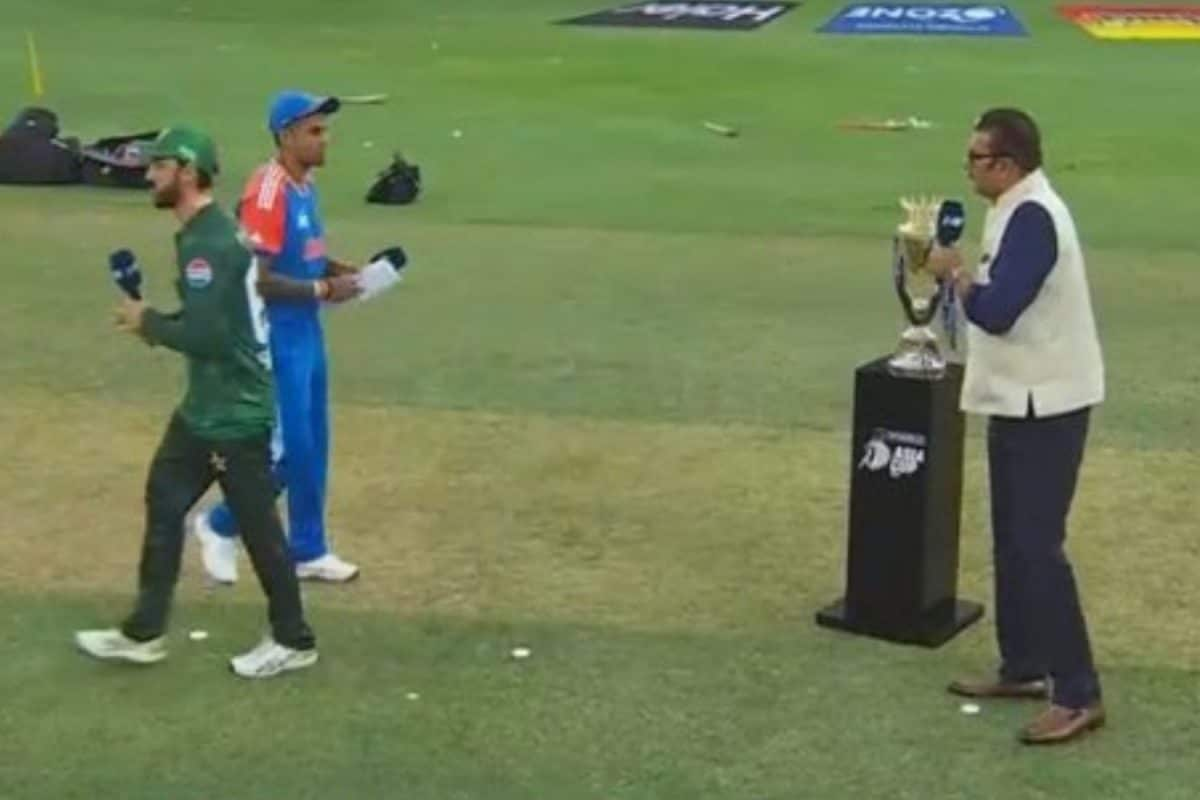
Cricket diplomacy took a blow at the Asia Cup clash between India and Pakistan in Dubai on Saturday, as captains Suryakumar Yadav and Salman Ali Agha avoided any form of contact at the toss.
The Asian neighbours have a long history of tensions off the pitch, with political conflicts and rivalries often spilling over into their cricketing encounters. This latest incident at the Dubai International Cricket Stadium has raised questions about the future of sports diplomacy between the two nations.
Yadav and Agha's awkward exchange at the toss, which was captured on camera, saw the two captains merely nodding at each other without shaking hands or embracing, contrary to the usual practice where captains exchange pleasantries ahead of a match.
While the reason for this avoided interaction is not explicitly clear, it is evident that the tension between the countries transcends beyond cricket. This refusal to even engage civilly highlights the ongoing rift between the two nations, which has been exacerbated in recent years.
The ceremony contrasted with previous editions of the Asia Cup, where Indian and Pakistani captains have shook hands and posed for pictures together ahead of matches. It also stood in contrast to the T20 World Cup clash in October of last year, where Yadav and Agha shook hands and smiled for the cameras.
While the incident at the toss may only be a small gesture, it underscores the ongoing difficulties in fostering meaningful sporting relations between India and Pakistan. Their cricketing rivalry often heightened tensions and fuelled passionate support on both sides.
The tension extends beyond the players themselves, with political tensions between the governments also remaining high. With any cricketing encounter between the two nations, there is often an increased security presence and scrutiny.
The actions of Yadav and Agha have led to questions about the role of cricket in fostering diplomacy between the countries. With reports of the ongoing refusal to shake hands, it will be interesting to see how this impacts any potential future cricket tours between the nations, which have previously been a method of improving relations.
Despite the sporting rivalry, cricket has often been seen as a way to improve relationships between India and Pakistan, with the sport acting as an ice-breaker and a way to diffuse tensions through interactions on and off the pitch.
However, today's incident suggests that cricket may not be the uniting force it once was, and political relations may be increasingly impacting the civil interactions between players. As the future of this rivalry, and any potential for sporting diplomacy, it remains to be seen how this will play out.
Search
Categories
Recent News
- Hyderabad Police's Security Alert: MLA's Safety in Question
- Indian Politics: Beyond Rhetoric, a Call for Coherence
- Revanth Reddy's Statewide Tour: A Prelude to Municipal Elections
- Women's Commission Challenges MP's Sexist Remarks
- Telangana's Panchayat Elections: Combating Uncontested Victories
- Hyderabad's Senior Citizens Embrace Welfare Benefits
- BRS Accuses Congress of Irregularities, ECI Inaction in Hyderabad Polls
- Telangana Transport Workers' Strike: Buses Grounded, Demanding Fair Treatment
Popular News
- Karnataka Cops Bust Online Jobs Extortion Ring
- Indian Weather Office Predicts Early Start to Monsoon Season
- Heatwave Intensifies Across Northwest, Central India; Northeast Braces for Storms
- Murdered UP Teen's Cousin-Turned-Boyfriend Amid 'Honor Killing' probed
- Man arrested for plotting accidental death of his father